
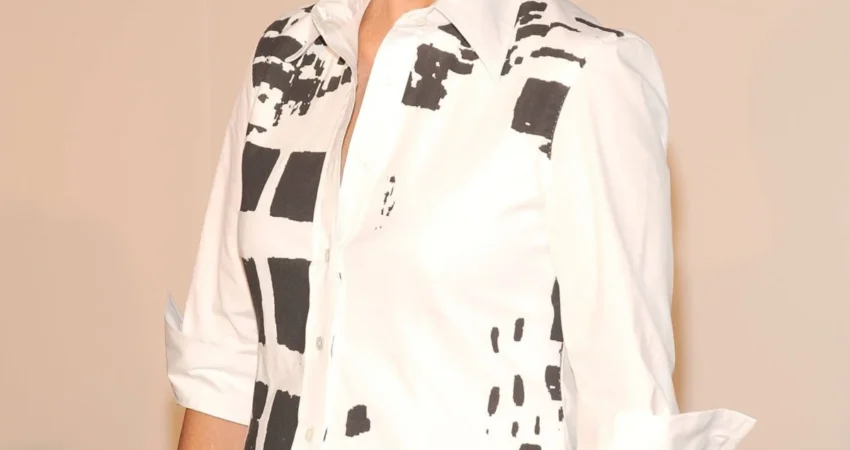
The global fashion landscape for the Fall-Winter 2026 season is witnessing a significant shift toward "quiet luxury" and timeless silhouettes, a movement spearheaded by the retail giant Zara through its latest footwear release. Drawing direct inspiration from the legendary Venezuelan-American designer Carolina Herrera, the new collection focuses on pointed-toe pumps, neutral palettes, and sophisticated textures that mirror the "Empress of Elegance’s" most iconic personal looks. This strategic move by Inditex, Zara’s parent company, underscores a broader industry trend where high-street retailers are increasingly bridging the gap between mass-market accessibility and the refined aesthetic of heritage luxury houses. By dissecting the design language of Herrera—a woman whose name is synonymous with the crisp white shirt and the perfectly proportioned heel—Zara has curated a selection that prioritizes longevity and grace over fleeting, avant-garde fads.

The Architect of Elegance: Carolina Herrera’s Lasting Influence
To understand the significance of this collection, one must examine the foundational impact Carolina Herrera has had on global fashion since she founded her namesake house in 1981. For over four decades, Herrera has championed a brand of femininity that is both powerful and understated. Her personal style, often characterized by high-waisted skirts, structured blouses, and impeccably chosen footwear, has served as a blueprint for professional and social dressing across generations.
The Fall-Winter 2026 footwear trends indicate a return to these roots. As the industry moves away from the "ugly sneaker" and oversized platform trends of the early 2020s, the return to the pointed-toe pump represents a "re-formalization" of the female wardrobe. Industry analysts suggest that in times of economic volatility, consumers tend to gravitate toward "investment-style" pieces—items that can be worn for years rather than months. Zara’s decision to emulate the Herrera aesthetic is a calculated response to this consumer demand for reliability and classicism.

Technical Analysis of the Fall-Winter 2026 Collection
The collection is defined by five distinct pillars, each referencing a specific facet of the Herrera style legacy. These designs are not merely replicas but are modern interpretations that utilize contemporary manufacturing techniques to offer comfort alongside style.
1. The Bicolor Slingback: A Study in Contrast
The beige and black bicolor pump is perhaps the most direct homage to the classic European elegance that Herrera has long admired. Featuring a low "kitten" heel and a contrasting black toe-cap, this design is intended to elongate the leg while providing the stability required for daily wear. Historically, the bicolor shoe was popularized by mid-century French couturiers, but Herrera modernized it by pairing it with sharp pencil skirts and wrap blouses. Zara’s version utilizes a high-grade synthetic leather that mimics the supple feel of lambskin, making it a centerpiece for corporate attire.

2. The Magenta Satin Pump: Injecting Personality into Formalism
Herrera has famously stated that "color is a way to express yourself." The inclusion of a vibrant magenta pump in the Fall-Winter 2026 lineup serves as a rebuttal to the idea that elegance must be monochrome. Crafted in a deep fuchsia-magenta suede with a fine stiletto heel, this shoe is designed to be paired with dark midi dresses. The pointed silhouette and adjustable ankle strap provide a secure fit, reflecting the designer’s penchant for shoes that are as functional as they are decorative.
3. The Nude Tulle Mule: Architectural Transparency
One of the more experimental pieces in the collection is the nude-toned mule featuring semi-transparent tulle and draped detailing. This design references Herrera’s evening wear, where she often uses sheer fabrics to create a sense of lightness. The use of mesh and tulle in footwear is a growing trend for 2026, offering a "barely there" look that complements floral prints and romantic silhouettes without overwhelming the ensemble.

4. The Classic Black Leather Stiletto: The Foundation of the Wardrobe
No collection inspired by Herrera would be complete without a black leather pump. Zara’s 2026 iteration features a delicate ankle tie—a feminine detail that adds a contemporary twist to a traditional staple. This shoe is positioned as the ultimate versatile tool, capable of grounding busy prints or completing a minimalist monochrome look.
5. Burgundy Velvet and Deep Textures
As temperatures drop, the collection transitions into heavier textures. The burgundy velvet pump with a medium heel is designed for the latter half of the season. Velvet has long been a staple of Herrera’s winter collections, often appearing in her capes and evening gowns. By applying this fabric to a pointed-toe slingback, Zara offers a tactile, luxurious option for holiday dressing and formal events.

A Chronology of Style: From 1999 to 2026
The design inspiration for this collection can be traced through a specific chronology of Carolina Herrera’s public appearances and runway shows.
- 1999: Herrera appears in a seminal look consisting of a satin skirt, a shimmering shirt, and bicolor heels. This ensemble remains a primary reference point for the "quiet luxury" movement today.
- 2010s: The brand, under Herrera’s direction, masters the "floral midi" look, consistently pairing vibrant prints with nude or neutral pumps to maintain a balanced silhouette.
- 2018: Herrera steps down from creative direction, appointing Wesley Gordon. Gordon maintains the brand’s commitment to the classic pump while introducing bolder color palettes like the magentas and teals seen in the Zara collection.
- 2025-2026: Market data shows a 15% increase in searches for "pointed-toe pumps" and "classic workwear," leading to the development of the current Zara line.
Market Data and Economic Implications
The global footwear market is projected to reach an estimated value of $412 billion by 2027, with the "premium-affordable" segment—where Zara operates—showing the highest rate of growth. According to retail data reports from early 2026, consumers are spending 22% more on footwear that is marketed as "timeless" compared to "trendy" items.

Inditex’s strategy involves high-volume production with a rapid turnaround, but for the Fall-Winter 2026 season, there is a visible shift toward higher-quality materials. By using real leathers, suedes, and intricate fabrics like tulle and velvet, Zara is attempting to capture a demographic that might otherwise shop at mid-tier luxury brands. This "premiumization" of fast fashion is a direct response to the success of brands that emphasize "Old Money" aesthetics on social media platforms, where the hashtag #CarolinaHerreraStyle has seen a resurgence among Gen Z and Millennial consumers.
Industry Reactions and Stylist Perspectives
Fashion consultants and stylists have noted that the "Herrera-fication" of the high street is a positive development for professional women. "What we are seeing is a democratization of the executive aesthetic," says Elena Rodriguez, a Madrid-based fashion analyst. "For decades, the look of high-powered elegance was gated behind a luxury price tag. Zara’s 2026 collection takes the geometry of a Herrera shoe—the specific pitch of the arch and the sharpness of the toe—and makes it available to the global workforce."

However, some critics argue that the reliance on "inspiration" from legacy houses raises questions about original design in the fast-fashion era. Despite these debates, the commercial success of such collections is undeniable. Internal projections from retail analysts suggest that the bicolor and magenta models will likely sell out within the first three weeks of their release, necessitating multiple restocks throughout the winter season.
Broader Impact and the Future of Footwear
The Zara Fall-Winter 2026 collection represents more than just a seasonal product launch; it is a testament to the enduring power of classic design. As the fashion industry grapples with sustainability concerns, the move toward styles that do not go out of fashion is a step toward reducing the "throwaway" nature of retail. A pointed-toe black pump or a beige slingback purchased in 2026 is just as likely to be stylish in 2036, echoing the very philosophy that Carolina Herrera has lived by throughout her career.

In conclusion, the intersection of Carolina Herrera’s timeless vision and Zara’s retail reach has created a collection that defines the mood of late 2026. It is a mood of refinement, restraint, and calculated splashes of color. By focusing on the details—the height of a heel, the texture of a fabric, and the silhouette of a toe—the collection provides a roadmap for modern dressing that honors the past while remaining firmly rooted in the accessible present. As the season progresses, these shoes are expected to become staples in wardrobes worldwide, proving that true elegance is never truly out of reach.

0 Comments