
 Raisa Andriana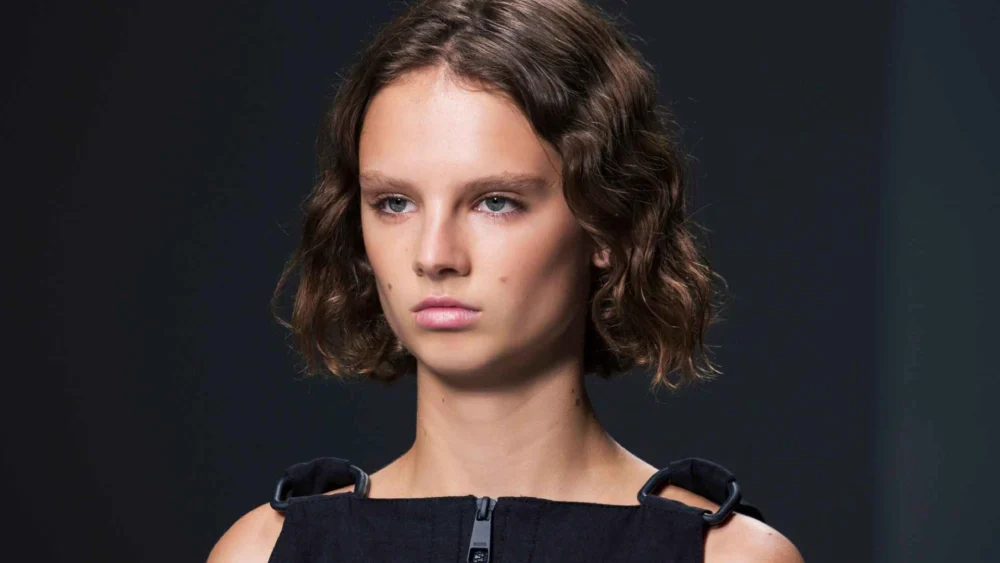
The global fashion landscape has signaled a definitive shift toward minimalism and structural precision, as evidenced by the dominant hair trends emerging from the Autumn-Winter 2026 collections in Paris. While the seasonal shows traditionally dictate garment silhouettes, the "Ville Lumière" has increasingly become the primary stage for beauty and grooming forecasts. This year, the message from the runways is clear: the era of high-maintenance long hair is being eclipsed by practical, easy-to-wear, and highly personalized short cuts. These styles, ranging from the radical micro-pixie to the textured curly crop, are poised to define the aesthetic of Spring 2026, offering a blend of androgynous edge and refined femininity.

As fashion houses such as Dior, Chloé, and Stella McCartney presented their visions for the coming year, hair stylists backstage abandoned the uniformity of long extensions in favor of cuts that follow the natural contour of the cranium. This movement toward "bespoke brevity" emphasizes the facial structure, placing the eyes, cheekbones, and forehead at the center of the look. Industry analysts note that this transition reflects a broader societal move toward efficiency and gender-neutral styling, where the distinction between traditional "masculine" and "feminine" grooming continues to blur.
The Chronology of the Short Hair Renaissance
The resurgence of short hair did not occur in a vacuum. To understand the 2026 trends, one must look at the progression of hair aesthetics over the last 24 months. In 2024, the "Japanese Bob" and the "Midi-Scale" cuts began to gain traction as consumers sought alternatives to the heavy, waist-length waves that dominated social media for nearly a decade. By 2025, these "transitional" lengths grew shorter, paving the way for the radical crops seen during the most recent Paris Fashion Week.

This chronological shift is also linked to the "Quiet Luxury" movement. As fashion became more understated and focused on high-quality tailoring, beauty followed suit. A short, well-executed haircut serves as the ultimate accessory for a minimalist wardrobe, conveying a sense of confidence and intentionality that long hair often obscures. The Autumn-Winter 2026 shows in Paris have solidified this trajectory, turning what was once a niche "alternative" look into the mainstream standard for the upcoming spring season.
The Strategic Importance of the Fringe
Perhaps the most significant technical takeaway from the Paris runways is the revitalization of the fringe, or bangs. In the 2026 forecasts, the fringe is not merely an addition to the haircut but the structural anchor of the entire look. Stylists have utilized different fringe lengths and densities to harmonize various face shapes, proving that short hair is not a "one-size-fits-all" proposition.

A long, sweeping fringe was seen at Hodakova, used to soften angular features and add a touch of mystery. Conversely, the "micro-fringe" or "baby bangs" featured at Mossi and Julie Kegels served to open up the face, highlighting the brow line and creating a bold, avant-garde silhouette. The "curtain" or open fringe, a staple at Chloé, remains a favorite for those seeking a romantic, effortless transition from longer styles. According to lead stylists at the event, the success of a 2026 short cut depends entirely on how the fringe is calibrated to the individual’s proportions.
13 Definitive Trends for the Spring 2026 Season
The following styles represent the pinnacle of hair design as showcased during the Paris Fashion Week cycle. Each offers a unique interpretation of the short-hair mandate.

1. The Defined Curly Crop
As seen at the Christian Dior show, this style celebrates natural texture. Tight, well-defined curls are cut to frame the face, with a light fringe that rests just above the eyebrows. This look moves away from the "triangle" shape often associated with short curly hair, opting instead for a rounded, balanced volume.
2. The Airy Layered Short
Zomer introduced a highly texturized, layered cut that prioritizes movement. The fringe is kept irregular and "airy," allowing the hair to react naturally to the wearer’s movements. This style is particularly effective for those with fine hair, as the layers create the illusion of density.

3. The Sophisticated Micro-Bangs
Mossi’s runway featured a cut that is both fresh and architectural. By pairing a very short crop with a blunt micro-fringe, the look achieves a high-fashion edge that is surprisingly practical for daily wear.
4. Romantic Waves with Open Fringe
Chloé maintained its signature bohemian aesthetic by adapting short hair into a softer, more romantic form. Light, tousled waves are paired with an open fringe that frames the face without overwhelming it, proving that short hair can still feel feminine and fluid.

5. The Androgynous Long Pixie
Off-White pushed the boundaries of gender-neutral styling with a long pixie cut. The hair is scaled and thinned to create a vertical silhouette, with a long fringe that grazes the eyes. It is a look that evokes the grunge era of the 1990s but with a modern, polished finish.
6. Textured Mini-Fringe for Curls
At Carven, the focus was on small, delicate features. A mini-fringe with heavy texture was paired with soft curls, creating a look that is ideal for oval or heart-shaped faces.

7. Minimalist Side-Swept Crop
Marie Adam-Leenaerdt presented a masterclass in minimalism. The hair is cut short and swept to one side, with a fringe that blends seamlessly into the lateral layers. This style is designed for the professional environment, offering elegance with zero maintenance.
8. Natural Texture with Movement
Stella McCartney’s show highlighted the beauty of "unstructured" short hair. The long, light fringe provides movement, while the rest of the hair is cut to enhance the natural wave pattern of the individual.

9. The Irregular Androgynous Cut
Kimhekim opted for a less defined, more "rebellious" look. The fringe is kept irregular and slightly jagged, creating a style that feels lived-in and authentic.
10. The Tapered Ultra-Short
Julie Kegels showcased a cut that is nearly shaved on the sides but maintains a micro-fringe on top. This is the most radical of the trends, suited for those with triangular or oval face shapes who wish to make a strong visual statement.

11. Aerial Swept-Back Volume
Vaquera’s interpretation involved styling the fringe upward and backward. This creates an "aerial" effect that adds height and elongates the face, making it a perfect choice for round or square facial structures.
12. Neck-Defining Layers
Hodakova’s layered cut is designed to draw attention to the neckline. The back is kept short and clean, while the front features a sophisticated, long fringe that offers multiple styling options.

13. The Wet-Look Center Part
Burc Akyol utilized the "wet effect" to create a sensual, evening-ready look. With a sharp center part and the hair slicked back, the focus remains entirely on the facial features, with side strands added to provide a sense of dynamism.
Supporting Data and Market Analysis
The shift toward short hair is reflected in consumer behavior data. According to beauty industry reports from early 2026, sales of heavy conditioning masks and long-hair extensions have plateaued for the first time in five years. Conversely, there has been a 22% increase in the demand for texturizing pomades, light-hold waxes, and precision styling tools.

Salons in major fashion capitals, including Paris, Milan, and New York, report a significant rise in "big chop" appointments. Professional stylists suggest that this is not merely a seasonal whim but a response to a more fast-paced lifestyle. Short hair reduces drying time by an average of 15 minutes per day and requires fewer chemical products, aligning with the growing consumer demand for sustainable and time-efficient beauty routines.
Professional Perspectives and Industry Impact
Lead hair stylists at Paris Fashion Week have noted that the 2026 trends require a higher level of technical skill than the long, layered cuts of previous years. "A short cut leaves no room for error," says one senior stylist associated with the Dior show. "The geometry must be perfect. We are seeing a return to the ‘architectural’ school of hair cutting, where the stylist must consider the bone structure as much as the hair type."

The broader implications for the beauty industry are vast. Product manufacturers are currently pivoting their R&D toward scalp health and root-volume products, as short hair brings the scalp into closer focus. Furthermore, the "Short Hair Revolution" is expected to influence the jewelry and eyewear markets, as exposed ears and foreheads provide more real estate for statement earrings and bold frame designs.
Broader Implications and Future Outlook
As we move toward the Spring 2026 season, the prevalence of short hair on the Paris runways suggests a cultural embrace of clarity and self-assuredness. By stripping away the "safety blanket" of long hair, the fashion industry is encouraging a more transparent and confident form of self-expression.

The 13 trends identified during this fashion cycle provide a comprehensive roadmap for the year ahead. Whether it is through the bold micro-fringe or the soft, romantic wave, the short haircuts of 2026 offer a versatile palette for individuals to redefine their image. As the trends move from the runway to the street, the "Parisian Short" is set to become the defining look of a new, more practical era in global beauty.

 Eva Lovia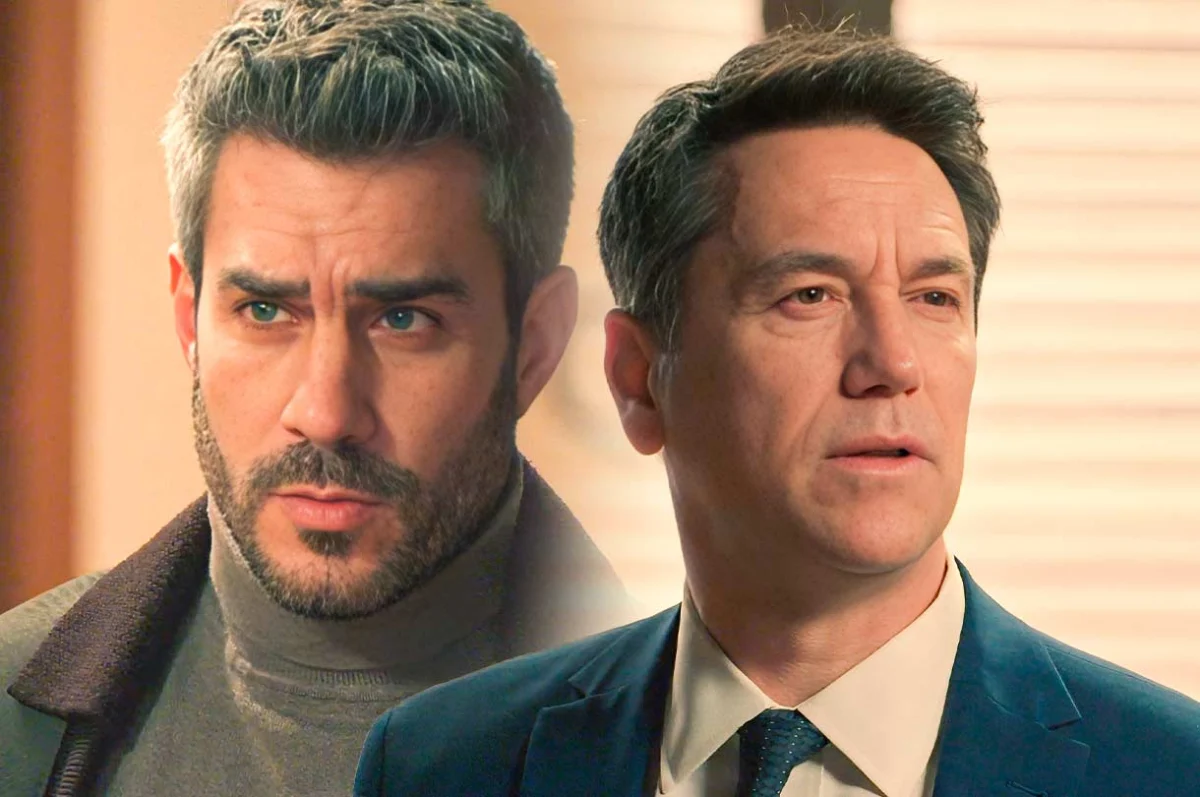
 Julia Chirkova
 Julia Prastini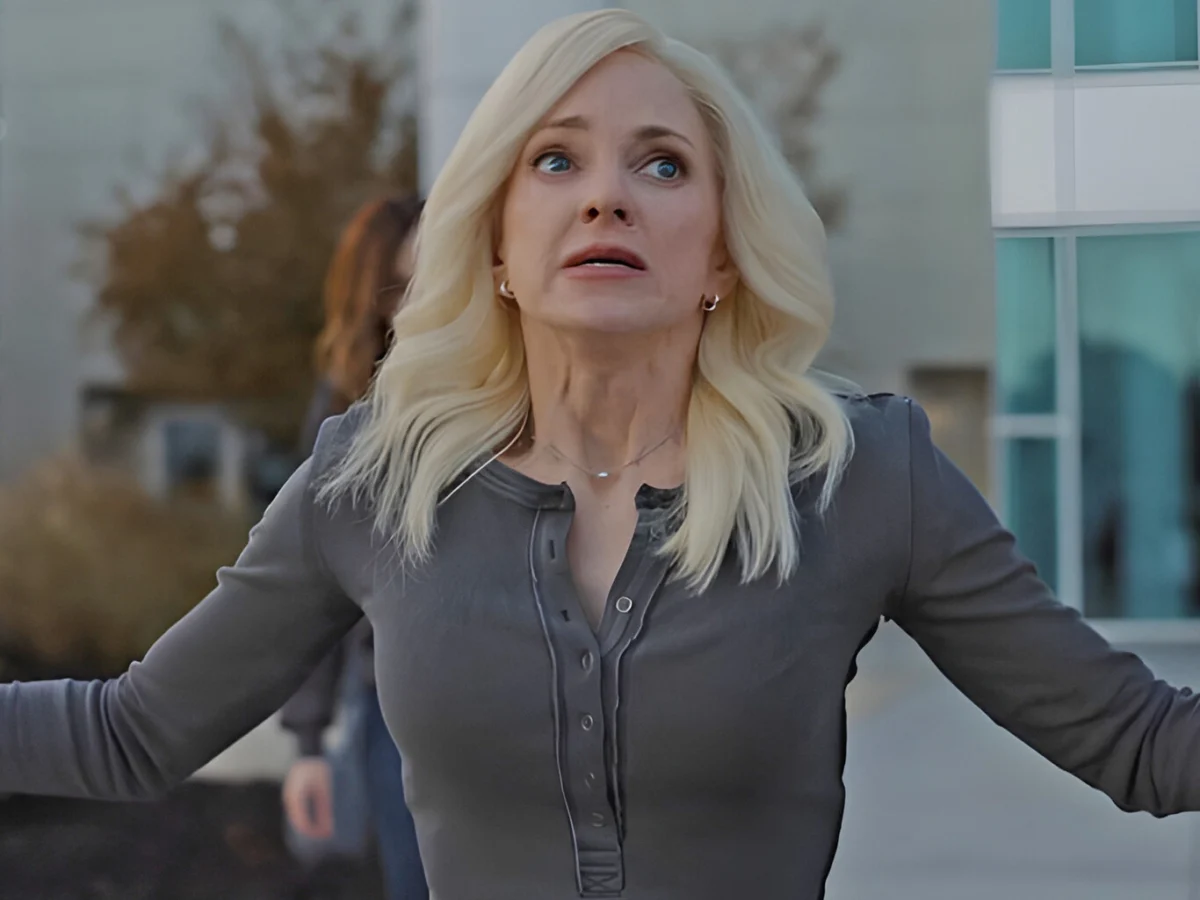
 Nila Kartika Wati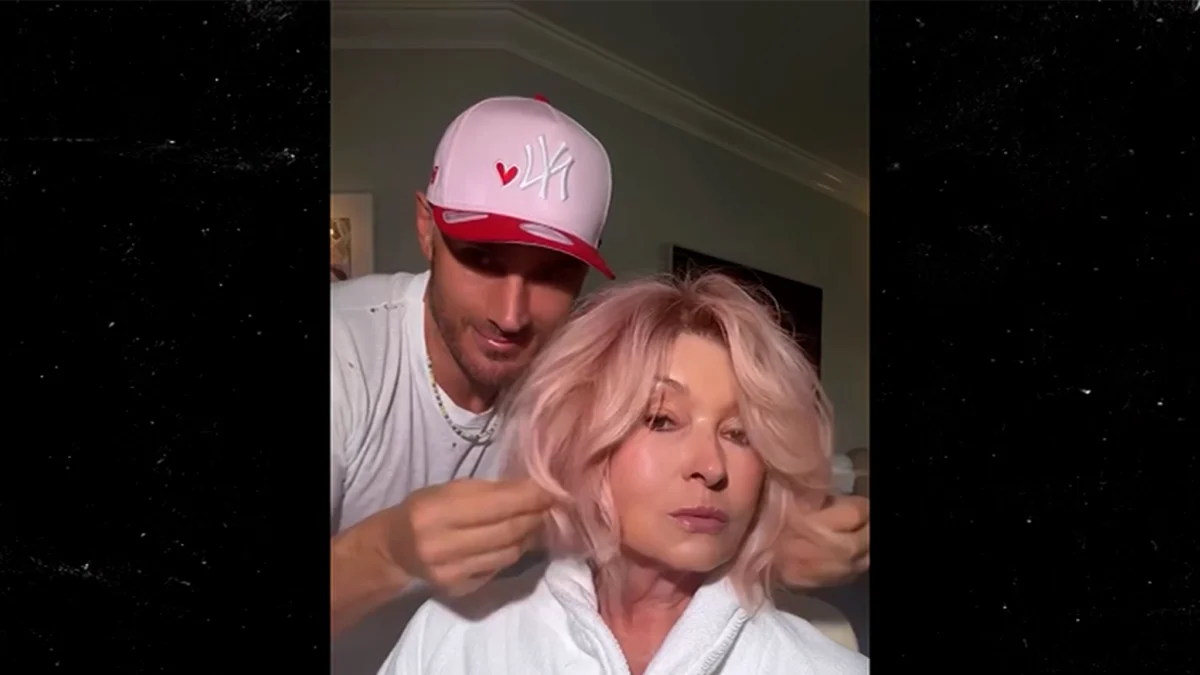
 Jia Lissa
 admin
admin