
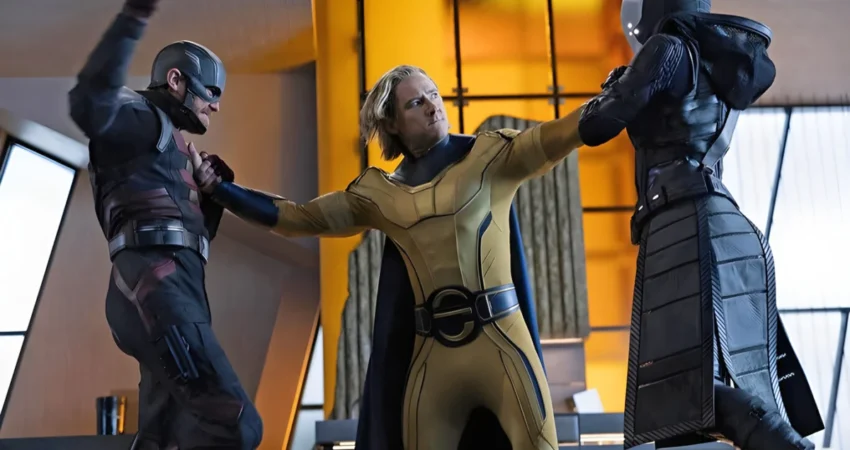
The countdown to the next major cinematic event in the Marvel Cinematic Universe (MCU) has officially begun, as Marvel Studios intensifies its promotional campaign for the highly anticipated Avengers: Doomsday. With the release date approaching, the studio has taken the unprecedented step of curating a specific "homework" list of fifteen films and television series that audiences are encouraged to view to fully grasp the narrative stakes of the upcoming ensemble epic. Within this list, the film Thunderbolts has emerged as a critical focal point, serving as the penultimate entry in the recommended viewing order. Despite a polarizing commercial performance during its initial theatrical run, Thunderbolts is now being re-evaluated by critics and studio executives alike as one of the most narratively significant and emotionally mature installments of the Multiverse Saga.
The Strategic Pivot: From Kang to Doomsday
To understand the weight of Thunderbolts*, one must examine the turbulent production history of Marvel’s Phase 5 and 6. Originally, the studio had planned for a different trajectory centered on the character of Kang the Conqueror. However, following the cancellation of Avengers: The Kang Dynasty due to both creative shifts and external legal issues surrounding the lead actor, Marvel Studios was forced to undergo a massive internal restructuring. This pivot led to the announcement of Avengers: Doomsday, which will feature the return of Robert Downey Jr. to the franchise, not as Tony Stark, but as the iconic villain Victor von Doom.
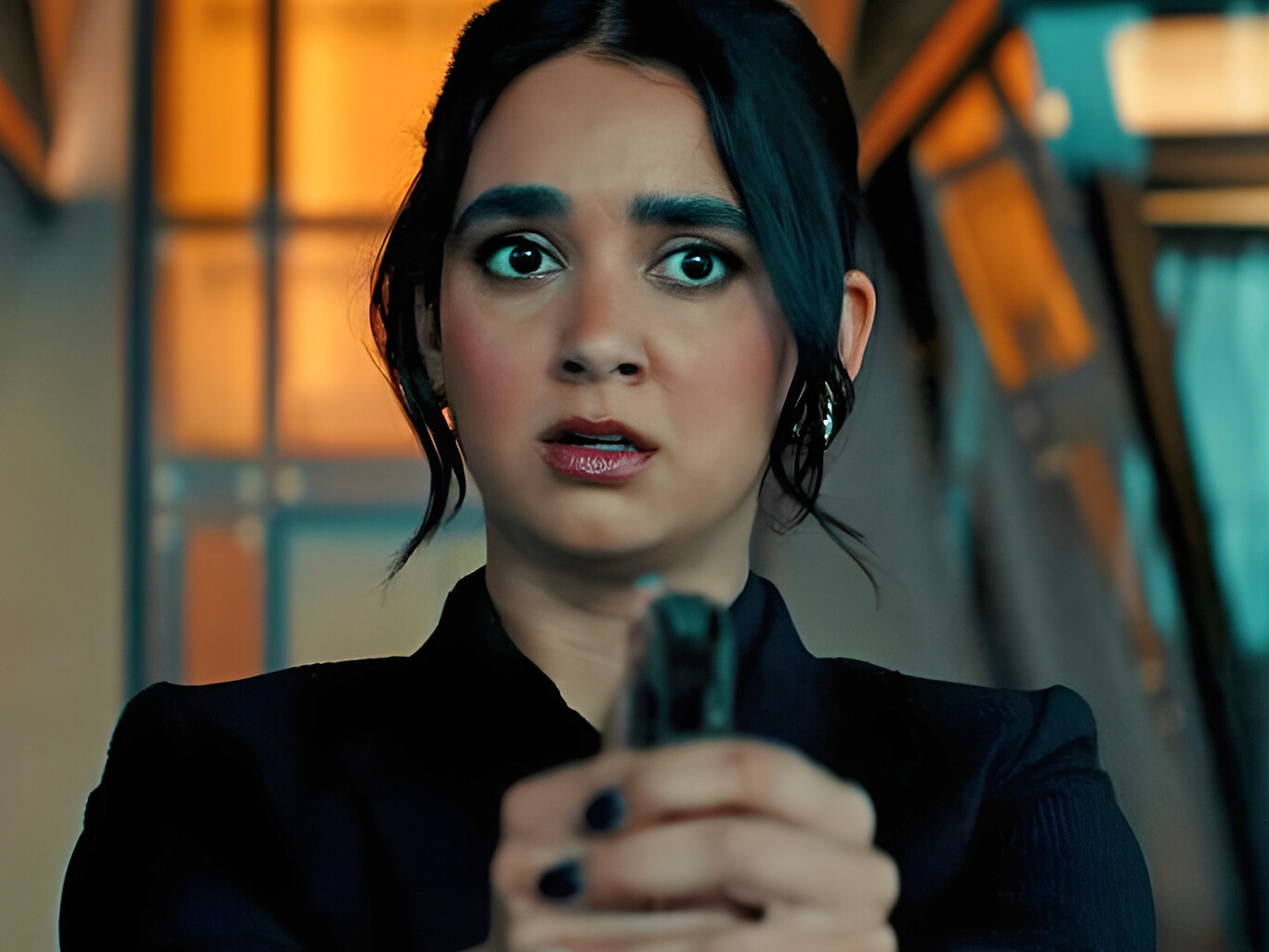
In this context, Thunderbolts* was designed to bridge the gap between the disparate threads of the post-Endgame era. Released in 2025, the film arrived at a time when the MCU was facing significant "superhero fatigue" and a string of underperforming titles. The film’s primary objective was to assemble a team of anti-heroes and reformed villains—characters who existed in the moral gray areas of the franchise—to create a functional unit that could operate where the traditional Avengers could not. This "alternative alignment" has proven to be the foundational stone for the team dynamics that will be explored when the Russo Brothers return to the director’s chairs for Doomsday.
A Chronology of Disruption: The Assembly of the Thunderbolts
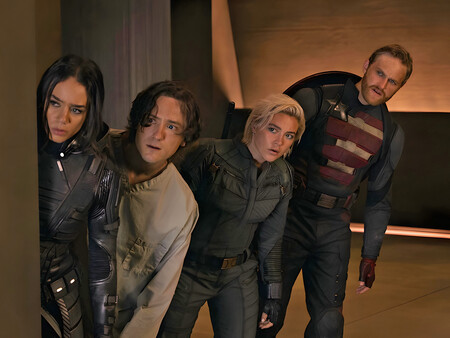
The narrative of Thunderbolts* does not exist in a vacuum; it is the culmination of several years of character development across both the big and small screens. The team consists of Yelena Belova (Florence Pugh), Bucky Barnes, also known as the Winter Soldier (Sebastian Stan), John Walker or U.S. Agent (Wyatt Russell), Alexei Shostakov or Red Guardian (David Harbour), Ava Starr or Ghost (Hannah John-Kamen), and Antonia Dreykov or Taskmaster (Olga Kurylenko).
The timeline leading up to this assembly is vital for viewers to understand:
- Black Widow (2021): Established the emotional core of the team through Yelena Belova and the Red Guardian, introducing a more grounded, espionage-heavy tone.
- The Falcon and the Winter Soldier (2021): Introduced the character of Contessa Valentina Allegra de Fontaine (Julia Louis-Dreyfus) and the radicalization of John Walker, while providing Bucky Barnes with a path toward redemption.
- Ant-Man and the Wasp (2018): Introduced Ava Starr, whose search for stability and survival becomes a driving motivation for her participation in the team.
The film follows this group of social outcasts as they are sent on a high-stakes mission that eventually pits them against a nearly omnipotent entity known as Sentry. The resolution of this conflict and the subsequent development of the characters from "inadaptados" (misfits) into a cohesive unit—eventually teased as the "New Avengers"—is what makes the film indispensable for the upcoming Doomsday plotline.
Analyzing the Data: Critical Acclaim vs. Commercial Realities
While the film’s narrative importance is clear, its financial journey provides a fascinating case study in modern cinema. Thunderbolts* earned approximately $370 million at the global box office. By traditional Marvel standards, where billion-dollar benchmarks were once common, this figure was initially viewed as modest. However, industry analysts point to the film’s high production quality and its reception among the core fanbase as indicators of long-term brand health.
On the review aggregator site Rotten Tomatoes, the film achieved a notable 88% approval rating from professional critics. More significantly, the audience score reached a staggering 93%. This disparity between a "soft" box office and high audience satisfaction suggests a "word-of-mouth" (boca a boca) success story. Fans and critics praised the film for its character-driven script, which offered a level of psychological depth that had been largely absent since Avengers: Endgame (2019). The performance of Florence Pugh, in particular, was cited as a transformative element for the MCU, providing a relatable and empathetic protagonist for a new generation of viewers.
Official Responses and the Russo Brothers’ Vision
Marvel Studios President Kevin Feige has frequently alluded to the fact that the "asterisk" in the title Thunderbolts* is not accidental. While the studio has remained tight-lipped about the exact meaning, the film’s conclusion strongly implies that the team is the precursor to a revamped Avengers initiative.
The Russo Brothers, who are directing both Avengers: Doomsday and its sequel Avengers: Secret Wars, have confirmed in various press engagements that the events of Phase 5—and specifically the ending of Thunderbolts—directly inform the state of the world when Doctor Doom makes his entrance. The post-credits scene of Thunderbolts is now recognized as a "must-watch" moment that sets the stakes for the multiversal threat posed by Doom. By integrating these street-level and black-ops characters into the cosmic threat of Doomsday, the directors aim to ground the high-concept multiverse narrative in tangible, human emotions.
Broader Impact and Implications for the MCU
The inclusion of Thunderbolts* as the 14th film in a 15-part mandatory viewing list highlights a shift in Marvel’s distribution and storytelling strategy. The studio is no longer just selling individual movies; it is managing a complex, interconnected narrative ecosystem. For Disney+, the streaming home of the MCU, the film’s "vital" status has led to a resurgence in viewership, proving that the streaming platform is an essential tool for maintaining narrative continuity between theatrical releases.

The implications of this film for Phase 6 are twofold:
- The End of the Multiverse Saga: Thunderbolts* represents the final maturation of Phase 5. It successfully moved the franchise away from the "villain of the week" formula toward a more serialized, character-centric drama.
- The New Hero Archetype: By elevating anti-heroes like Bucky Barnes and Yelena Belova to the status of "New Avengers," Marvel is acknowledging that the modern audience responds more favorably to flawed, complex characters than to the idealized "boy scouts" of earlier phases.
Conclusion: Preparing for the Arrival of Doom
As fans prepare for Avengers: Doomsday, the message from Marvel Studios is clear: do not skip the "homework." The journey of the Thunderbolts is not merely a side story or a "filler" project; it is the emotional and tactical foundation upon which the next era of the MCU is built. The film’s transition from a perceived box-office underdog to a critically acclaimed "essential" viewing experience mirrors the journey of its characters—from overlooked outcasts to the world’s last line of defense.
With Thunderbolts* now available for streaming on Disney+, audiences have the opportunity to witness the formation of the team that will likely stand at the center of the confrontation with Doctor Doom. In the evolving landscape of superhero cinema, the success of Avengers: Doomsday may very well depend on how well the audience remembers the lessons of the Thunderbolts: that sometimes, to save the world, you don’t need a hero; you need someone who knows what it’s like to lose.

0 Comments