
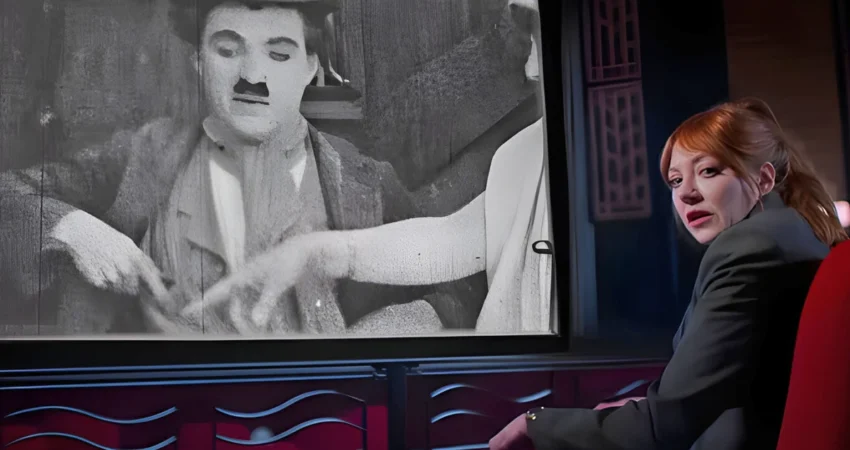
Following the global success of the historical mockumentary series La Tierra según Philomena Cunk (Cunk on Earth), Netflix has expanded its catalog of British satire with the release of El cine según Philomena Cunk (Cunk on Cinema). Created by Charlie Brooker, the visionary mind behind the dystopian anthology Black Mirror, this production features actress and comedian Diane Morgan reprising her role as the titular Philomena Cunk. The series, which originally aired as part of the BBC’s broader "Cunk" programming, has been packaged for international audiences as a concise, six-episode exploration of the evolution of motion pictures. This latest addition to the "Cunk-verse" continues the established tradition of blending high-production-value documentary aesthetics with surrealist, deadpan humor, offering a critical yet absurd look at 130 years of filmmaking.
The Evolution of Philomena Cunk and the Brooker-Morgan Partnership
The character of Philomena Cunk was not an overnight sensation but rather the result of a decade of refined character work within the British television landscape. Philomena Cunk first appeared in 2013 on Charlie Brooker’s Weekly Wipe, a satirical news program on BBC Two. Originally designed as a "dim-witted" cultural commentator who struggled to grasp basic concepts, the character evolved through various specials, including Cunk on Shakespeare and Cunk on Britain.
The partnership between Charlie Brooker and Diane Morgan has become one of the most successful creative collaborations in modern British comedy. Brooker, known for his acerbic wit and cynical view of technology and media, found in Morgan a performer capable of delivering the most nonsensical lines with the gravitas of a seasoned investigative journalist. This synergy allows the series to function on two levels: as a parody of the self-important documentary style popularized by presenters like David Attenborough or Brian Cox, and as a genuine pedagogical tool that, despite its absurdity, utilizes factual historical frameworks.
Structural Overview: Six Episodes of Cinematic Deconstruction
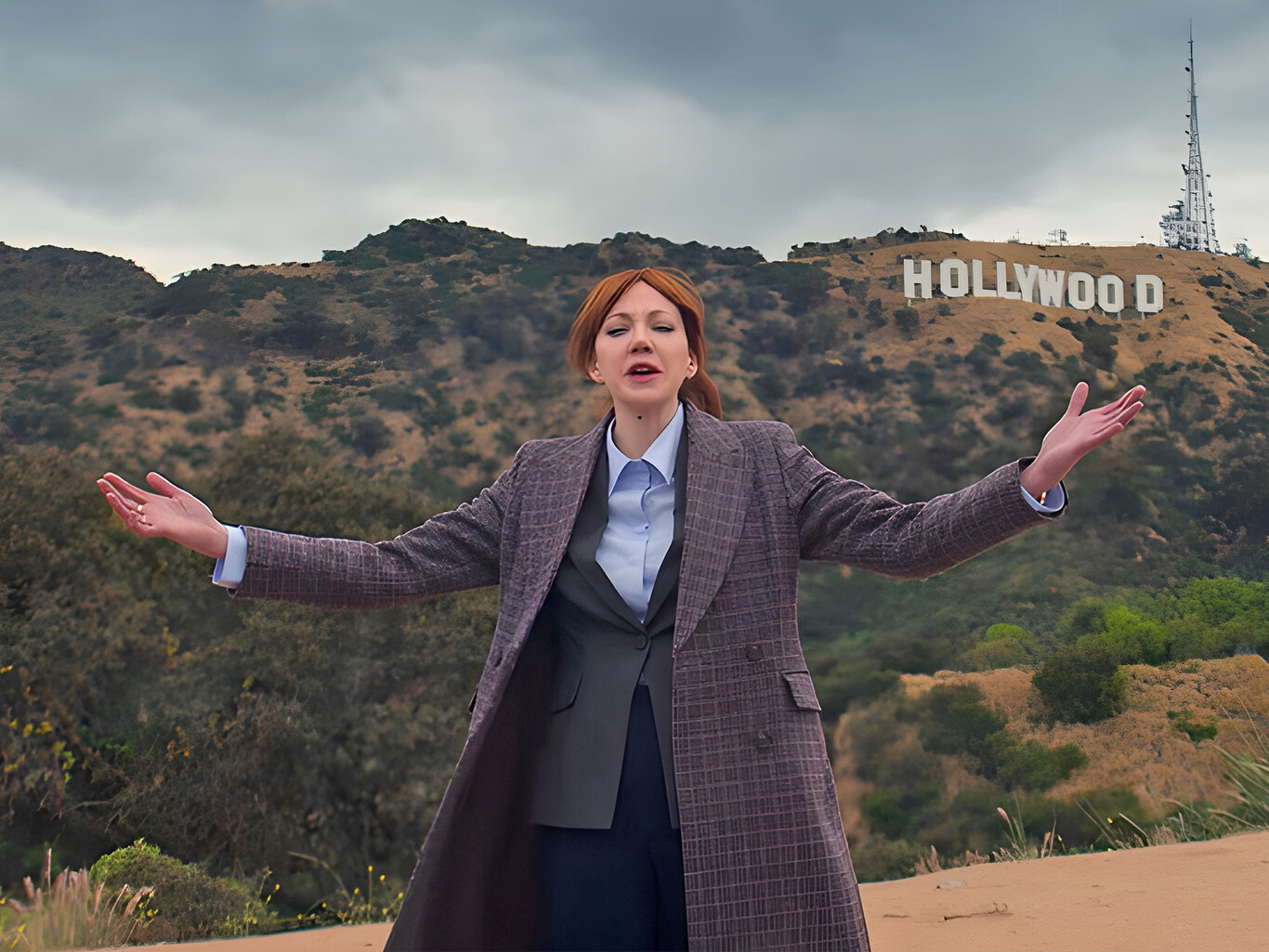
El cine según Philomena Cunk is structured as a chronological journey through the history of film. Each episode, ranging between 13 and 15 minutes, targets a specific era or technical milestone in the industry. The series begins with the birth of the medium—discussing the Lumière brothers and the invention of the Cinématographe—before moving through the silent era, the transition to "talkies," the rise of the Hollywood studio system, and finally, the digital revolution of the 21st century.
The brevity of the episodes is a strategic choice, reflecting a broader trend in streaming content toward "snackable" media. However, despite the short runtimes, the series manages to cover a vast array of topics, including:
- The Dawn of the Moving Image: Cunk investigates why early audiences were supposedly terrified of a train moving toward a screen and questions why people didn’t simply "step out of the way."
- The Golden Age of Hollywood: An examination of the star system, where Cunk ponders whether early film stars were actually giants because they appeared so large on screen.
- Genre Evolution: A deep dive into Westerns, Noir, and Horror, often confusing cinematic tropes with actual historical events.
- The Blockbuster Era: A look at how movies became "loud and expensive," focusing on the 1970s and 80s.
- The Digital Frontier: An exploration of CGI and how computers "did the acting for the humans."
The "Cunk" Methodology: Rigor vs. Ridiculousness
The defining characteristic of El cine según Philomena Cunk is its use of real-world experts. Unlike traditional comedies where actors play every role, Brooker and his production team, House of Tomorrow, recruit actual historians, film critics, and industry professionals. These experts are often not briefed on the specific jokes, leading to genuine reactions of confusion, frustration, or polite patience when Cunk asks questions such as, "Was the first film ever made actually a TikTok that got out of hand?"
This methodology serves a dual purpose. First, it anchors the show in reality, making the satire sharper by contrasting it with genuine expertise. Second, it highlights the "rigor" mentioned in early reviews; behind the jokes, the show utilizes archival footage from the British Film Institute (BFI) and follows a legitimate historical timeline. Viewers who are unfamiliar with film history will, ironically, learn the names of key figures like Sergei Eisenstein or Alfred Hitchcock, even if the context provided by Cunk is entirely fallacious.

High-Profile Cameos and Critical Reception
One of the most notable aspects of El cine según Philomena Cunk is the caliber of individuals who participate in the charade. The series features interviews with Academy Award-nominated actor Benedict Cumberbatch and acclaimed director Michael Bay. These segments are highlights of the series, as they force high-profile figures to defend their craft against Cunk’s increasingly erratic line of questioning. Cumberbatch, in particular, is subjected to an interrogation regarding the necessity of "acting" in an age where "looking at a green ball" is the primary requirement for Marvel actors.
The critical reception for the series has been overwhelmingly positive. On the review aggregator Rotten Tomatoes, the series holds an 89% approval rating. Critics have praised Diane Morgan’s performance, noting that she has mastered the art of the "deadpan" to the point where the character of Philomena Cunk feels like a living, breathing entity rather than a caricature. The writing has also been lauded for its ability to skewer the pretensions of the film industry without becoming overly cynical.
Supporting Data: The Rise of the Mockumentary Genre on Streaming
The success of Cunk on Cinema on Netflix is indicative of a larger industry trend. Data from streaming analytics firms suggest that "smart mockumentaries"—series that require a certain level of cultural literacy to fully appreciate—have seen a 25% increase in viewership over the last three years. This genre, which includes titles like Documentary Now! and American Vandal, appeals to a demographic that is increasingly skeptical of traditional media formats.
Furthermore, the "Cunk" series benefits from its high "meme-ability." Short clips of Cunk’s interactions with experts frequently go viral on platforms like TikTok and X (formerly Twitter), driving organic traffic back to the full series on Netflix. This digital footprint has allowed a quintessentially British comedy to find a massive audience in North America, Latin America, and Asia.
Official Responses and Production Context
While the BBC has not released a formal statement regarding the specific Netflix licensing of Cunk on Cinema, the move is seen as part of a broader strategy by the British broadcaster to monetize its library through international partnerships. Charlie Brooker has previously commented on the character’s longevity, noting that "Philomena Cunk is a vessel through which we can explore the most complex subjects by being as simple-minded as possible."
Production insiders at House of Tomorrow have indicated that the "Cunk" format is highly cost-effective compared to traditional scripted comedies. By utilizing archival footage and a small, mobile film crew, the production can maintain high aesthetic standards while focusing the budget on securing top-tier guest stars and maintaining the high-definition "documentary look" that makes the parody effective.
Broader Impact and Implications for Media Literacy
Beyond its entertainment value, El cine según Philomena Cunk offers an unintentional commentary on the state of media literacy in the 21st century. In an era of "fake news" and algorithmic misinformation, Cunk’s inability to distinguish between cinematic fiction and historical fact serves as a mirror to contemporary society. Her confidence in her own ignorance is a satire of the "Dunning-Kruger effect," where individuals with limited knowledge of a subject overestimate their own competence.
The series also challenges the traditional "expert" dynamic in television. By placing a comedian in a position of authority (the documentary presenter) and forcing real experts to answer her, the show subverts the power structures usually found in educational programming. It asks the audience to question why we trust certain voices and how the "prestige" of a documentary format can be used to deliver nonsense.

Conclusion: A Mandatory Watch for Cinephiles and Satire Fans
El cine según Philomena Cunk is more than just a companion piece to Charlie Brooker’s other works; it is a standalone achievement in comedic writing and performance. By taking on the 130-year history of the silver screen, Diane Morgan and Brooker have created a work that is simultaneously a love letter to the movies and a scathing indictment of the industry’s self-importance.
As the series begins its run on Netflix, it is expected to maintain high viewership numbers among fans of British humor and film enthusiasts alike. With its blend of historical data, high-profile cameos, and unrelenting absurdity, Cunk on Cinema proves that sometimes, the best way to understand the history of art is to view it through the eyes of someone who doesn’t understand it at all. For those looking for a quick, intelligent, and deeply funny experience, these six episodes represent the pinnacle of modern satirical television.

0 Comments