
 Nila Kartika Wati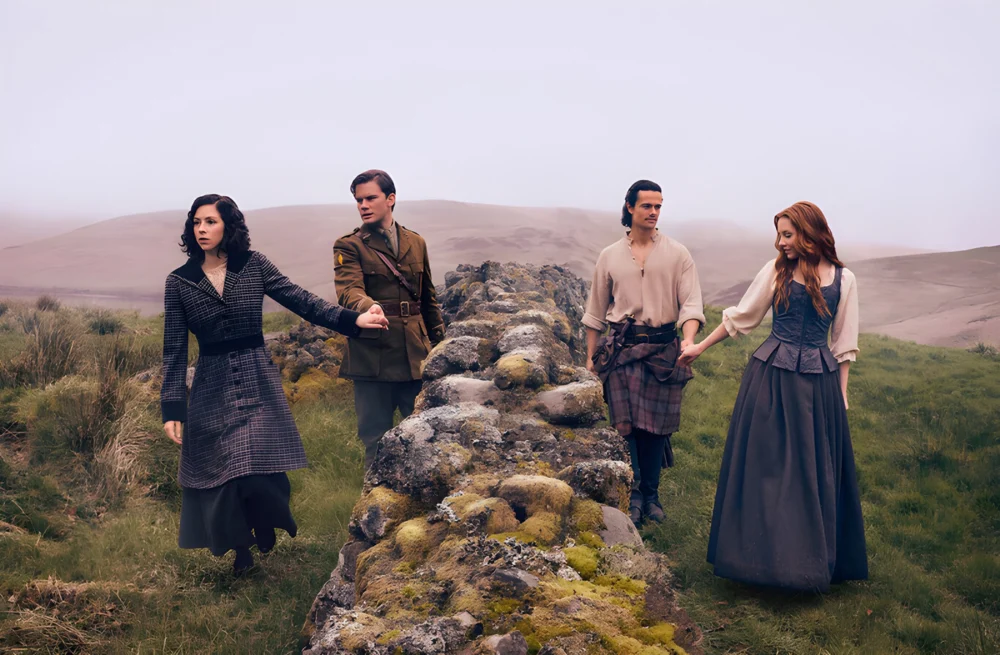
The television landscape has witnessed a significant expansion of one of its most enduring romantic sagas with the arrival of Blood of My Blood on Disney+. This prequel series serves as a strategic extension of the Outlander franchise, a property that has successfully blended historical fiction, science fiction, and high-stakes romance for nearly a decade. Developed as a foundational narrative, the new series delves into the ancestral histories of the original show’s protagonists, Jamie and Claire Fraser, by examining the lives of their parents across two distinct historical epochs. By utilizing a dual-narrative structure, the production aims to provide a comprehensive genealogical map that explains the origins of the resilience and passion that have become hallmarks of the Fraser and Beauchamp lineages.
The narrative architecture of Blood of My Blood is characterized by an ambitious temporal split. One half of the story is set in the rugged, politically volatile Scottish Highlands of the early 18th century, focusing on the courtship of Ellen MacKenzie and Brian Fraser. Simultaneously, the series transports viewers to the early 20th century, specifically the period of the First World War in England, to follow the lives of Julia Moriston and Henry Beauchamp. This structural choice allows the series to explore the parallels between two different generations facing systemic upheaval—one dealing with the rigid clan structures and looming Jacobite tensions of Scotland, and the other navigating the mechanized chaos and shifting social mores of a world at war.
Historical Context and Narrative Framework
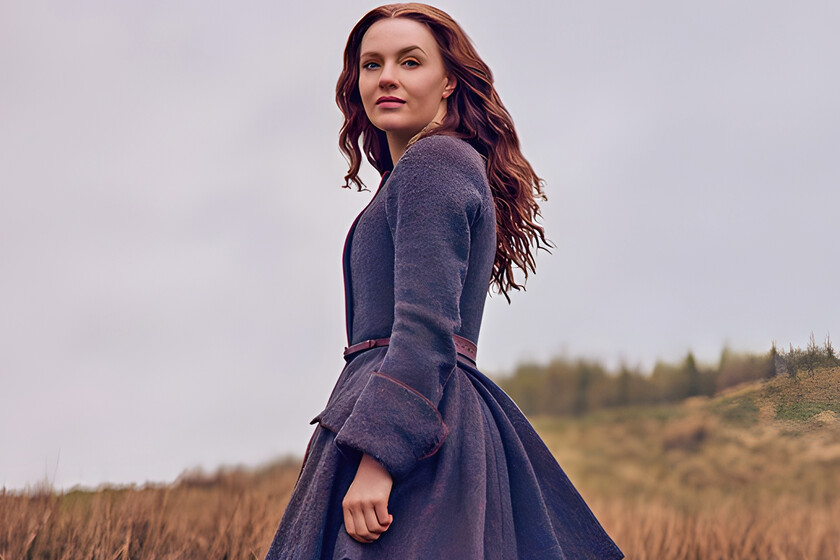
The Scottish segment of the series provides a deep dive into the MacKenzie clan’s internal dynamics, a focal point that fans of the original series will find familiar yet refreshed. Ellen MacKenzie, Jamie Fraser’s mother, is depicted as a woman of significant intellect and independence, traits that frequently clash with the expectations of her brothers, Colum and Dougal MacKenzie. Her relationship with Brian Fraser, a man of lower social standing within the clan hierarchy, serves as the central conflict of this timeline. The production meticulously recreates the 1700s Highlands, emphasizing the harsh realities of rural life and the complex web of loyalties that defined the era.
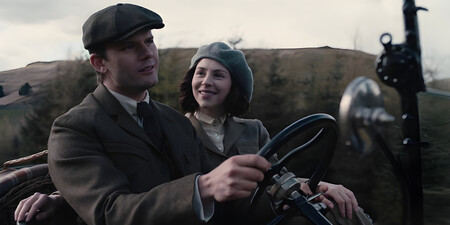
In contrast, the 20th-century timeline offers a starkly different visual and emotional palette. Set against the backdrop of the Great War, the story of Julia and Henry Beauchamp explores the fragility of life during a global conflict. Henry Beauchamp’s experiences as a soldier and Julia’s role within a society under duress provide a precursor to the medical and humanitarian interests that Claire Fraser would later exhibit. By situating this romance during World War I, the series highlights the technological and social transitions of the era, contrasting the traditionalism of the Scottish Highlands with the burgeoning modernity of 1910s London.
Production Design and Creative Leadership
Under the stewardship of showrunner Matthew B. Roberts, who has been a pivotal figure in the Outlander production team since its inception, Blood of My Blood maintains a high level of aesthetic continuity. The production utilized extensive location filming in Scotland, leveraging the natural landscapes to ground the 18th-century scenes in authenticity. Reports from the production set indicate a significant investment in period-accurate costuming and production design, particularly for the First World War sequences, which required the recreation of wartime hospitals and urban environments.
A key objective for the creative team was the exploration of "genetic echoes." The series intentionally highlights specific personality traits, physical gestures, and moral convictions in the parents that eventually manifest in Jamie and Claire. This approach transforms the prequel from a mere backstory into a psychological study of heritage. According to production notes, the writers worked closely with Diana Gabaldon, the author of the original book series, to ensure that the characterizations remained consistent with the established lore while offering new insights into the family trees.
Casting and Character Development
The success of the series hinges on the chemistry between the four leads, who were tasked with matching the iconic performances of Sam Heughan and Caitríona Balfe. Harriet Slater portrays Ellen MacKenzie with a blend of aristocratic grace and rebellious fervor, while Jamie Roy takes on the role of Brian Fraser, portraying the rugged integrity that Jamie would eventually inherit. On the 20th-century side, Hermione Corfield plays Julia Moriston, and Jeremy Irvine portrays Henry Beauchamp.

Initial critical assessments have pointed toward the strength of these performances. Industry analysts note that casting for a prequel requires finding actors who can evoke the essence of known characters without resorting to imitation. The dual-timeline format places a heavy burden on the ensemble, as the show must effectively balance two distinct romantic arcs without one overshadowing the other. The early reception suggests that the chemistry between Slater and Roy, in particular, captures the "star-crossed" quality that originally drove the franchise to global popularity.
Critical Reception and Audience Impact
The debut of Blood of My Blood has been met with a largely positive response from both specialized critics and the broader audience. Variety highlighted the show’s ability to "uphold the legacy of the original while carving out its own identity," specifically praising the production values. On review aggregator platforms such as Rotten Tomatoes, the series has maintained high scores, with viewers noting that the show successfully fills the "Droughtlander" gap—the term used by fans to describe the long hiatuses between seasons of the main show.
The Hollywood Reporter categorized the series as a "sophisticated expansion," noting that it avoids the common prequel pitfall of over-explaining every detail. Instead, the show focuses on emotional resonance and the atmospheric depiction of its two eras. The inclusion of the First World War timeline has been specifically lauded for adding a new dimension to the franchise, moving beyond the 18th-century setting that has defined Outlander for seven seasons.
Strategic Implications for the Streaming Market
The release of Blood of My Blood on Disney+ (and Starz in the United States) represents a broader trend in the streaming industry: the cultivation of "mega-franchises." As streaming platforms face increasing competition and rising production costs, established intellectual properties with loyal fanbases become invaluable. By expanding the Outlander universe, the distributors are securing long-term engagement from a demographic that values high-quality period dramas and romantic storytelling.
The series also serves as a competitor to other high-profile period dramas, such as Netflix’s Bridgerton. While Bridgerton focuses on a stylized, "Regency-core" aesthetic with a lighter tone, Blood of My Blood leans into the "gritty realism" and historical stakes that have defined the Outlander brand. This positioning allows Disney+ to capture an audience segment that seeks a blend of historical accuracy, political intrigue, and mature romantic themes.
Chronology of the Outlander Franchise Expansion
To understand the significance of Blood of My Blood, it is essential to view it within the timeline of the franchise’s development:
- 2014: Premiere of Outlander on Starz, based on Diana Gabaldon’s bestselling novels.
- 2014–2023: The main series grows into a global phenomenon, spanning seven seasons and covering several decades of history, from the Jacobite Risings to the American Revolutionary War.
- 2022: Official announcement of the prequel series, Blood of My Blood, with Matthew B. Roberts confirmed as showrunner.
- 2023: Casting announcements reveal the dual-timeline structure, surprising fans who expected a focus solely on Jamie’s parents.
- 2024: Production concludes in Scotland, with the series slated for international distribution via Disney+ in various territories.
- 2025: Premiere of Blood of My Blood, coinciding with the production of the eighth and final season of the original Outlander series.
Broader Cultural and Educational Influence
Beyond its entertainment value, Blood of My Blood contributes to a renewed interest in the specific historical periods it depicts. The 18th-century Highland culture, often romanticized or misunderstood in popular media, is treated with a level of sociological detail in the series. It explores the "tacksman" system, the intricate politics of the clan chiefs, and the role of women in Scottish tribal society.
Similarly, the WWI segments provide a window into the "Home Front" experience in England. By focusing on Julia and Henry, the series highlights the psychological toll of the war and the beginning of the end for the Edwardian social order. For many viewers, these dramatizations serve as an entry point into further historical study, a phenomenon often referred to as the "Outlander Effect," which has previously seen a massive surge in tourism to Scottish historical sites like Culloden Battlefield and Doune Castle.

Conclusion and Future Outlook
Blood of My Blood stands as a testament to the enduring power of historical romance when backed by strong source material and high production standards. By bridging the gap between the 1700s and the 1900s, the series provides a narrative bridge that enriches the viewer’s understanding of the main Outlander storyline. It successfully argues that the extraordinary lives of Jamie and Claire Fraser were not anomalies, but rather the result of generations of courage, defiance, and love.
As the original Outlander series approaches its final season, Blood of My Blood ensures that the franchise will continue to thrive. It offers a template for how spin-offs can expand a world without diluting the stakes of the original. For Disney+, the series represents a prestige addition to its catalog, appealing to a mature audience and solidifying its position as a home for high-end international drama. Whether viewed as a standalone historical epic or as a piece of a larger genealogical puzzle, Blood of My Blood has established itself as a significant entry in the modern television canon.



 Eva Lovia
 Julia Chirkova
 Julia Prastini
 Lina Irawan
 Jia Lissa