
 Raisa Andriana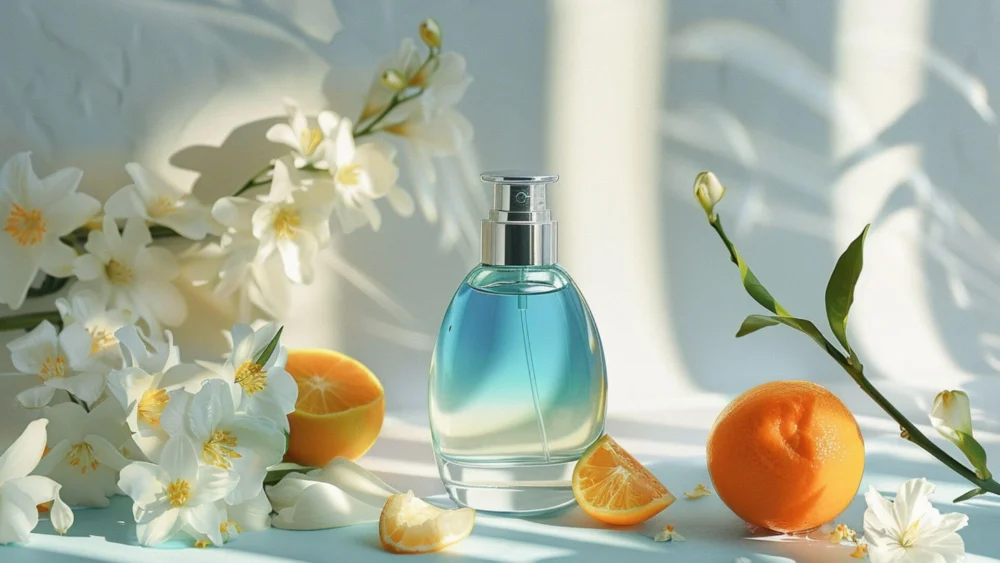
In the rapidly shifting landscape of the global beauty industry, certain olfactory categories demonstrate a remarkable resilience against the transience of fashion trends. While the market frequently sees the emergence of complex synthetic molecules and avant-garde compositions, the "clean scent" profile remains a cornerstone of consumer preference. This specific olfactory family, characterized by its ability to evoke feelings of order, tranquility, and physiological freshness, has seen a significant resurgence as consumers move toward "skin scents"—fragrances that mimic the natural aroma of clean skin or high-end skincare products. At the forefront of this movement is the translation of functional cosmetic scents into fine fragrances, a strategy exemplified by Biotherm’s L’Eau by Lait Corporel and Givenchy’s EauDemoiselle.
The Convergence of Skincare and Fine Fragrance
The concept of a fragrance designed to replicate the sensation of a body lotion represents a strategic intersection between the wellness and perfumery sectors. For decades, Biotherm’s Lait Corporel has maintained a cult-like following, not only for its hydrating properties but for its signature citrus-inflected aroma. The decision to distill this functional scent into a standalone Eau de Toilette, L’Eau by Lait Corporel, reflects a broader industry trend where brands leverage the "olfactory memory" of heritage products to capture a market seeking comfort and familiarity.
In a professional context, these fragrances are often categorized as "lifestyle scents." Unlike traditional evening perfumes designed for projection and seduction, these compositions are engineered for the wearer’s personal well-being. They utilize a specific architecture of bright citruses, delicate florals, and soft woods to recreate the "creamy" texture of a lotion through scent molecules. This approach addresses a growing consumer demand for "olfactory minimalism," where the goal is to smell refreshed rather than heavily perfumed.

Technical Composition: Breaking Down the Olfactory Pyramid
The efficacy of L’Eau by Lait Corporel in achieving its "clean" objective lies in a carefully balanced three-tier structure. The initial application is dominated by a citrus triad of orange, mandarin, and bergamot. In perfumery science, these top notes are highly volatile, providing an immediate "energetic burst" that stimulates the senses. The use of mandarin and orange specifically evokes the scent of freshly peeled fruit, which is psychologically linked to cleanliness and vitality.
As the volatile citrus notes begin to dissipate, the fragrance transitions into its heart, where freesia plays a pivotal role. Freesia is frequently utilized in "clean" compositions due to its peppery yet airy floral profile, which lacks the heavy, indolic weight of jasmine or tuberose. This allows the fragrance to maintain a sense of buoyancy. Finally, the base is anchored by smooth cedar. The inclusion of cedarwood provides a dry, structural foundation that prevents the citrus and floral notes from becoming overly ephemeral. This woody base is what gives the fragrance its "elegant trail," allowing the scent to linger on the skin with a subtle, sophisticated tenacity that mimics the way a high-quality body cream settles into the pores.
Historical Context and Market Chronology
To understand the significance of this fragrance, one must look at the chronology of the Biotherm brand. Founded in 1952 after the discovery of the rejuvenating properties of thermal plankton in the French Pyrenees, Biotherm established itself as a pioneer in biotechnological skincare. The launch of the original Lait Corporel in 1972 marked a turning point for the brand, introducing a citrus-based moisturizing formula that would become a global bestseller.
For over forty years, the scent of the Lait Corporel was inextricably linked to the post-shower routine of millions of consumers. It wasn’t until the mid-2010s that the brand officially transitioned this scent into the "L’Eau" fragrance line. This move was a response to decades of consumer feedback requesting a way to prolong the "freshly moisturized" scent throughout the day. This timeline highlights a shift in fragrance marketing: moving from creating "aspirational" scents to "functional" scents that enhance the existing daily rituals of the consumer.

Comparative Analysis: The Role of Givenchy’s EauDemoiselle
The trend toward transparent, fresh fragrances is further corroborated by the enduring popularity of Givenchy’s EauDemoiselle. While Biotherm approaches the "clean" category from a skincare perspective, Givenchy approaches it through the lens of "floral minimalism."
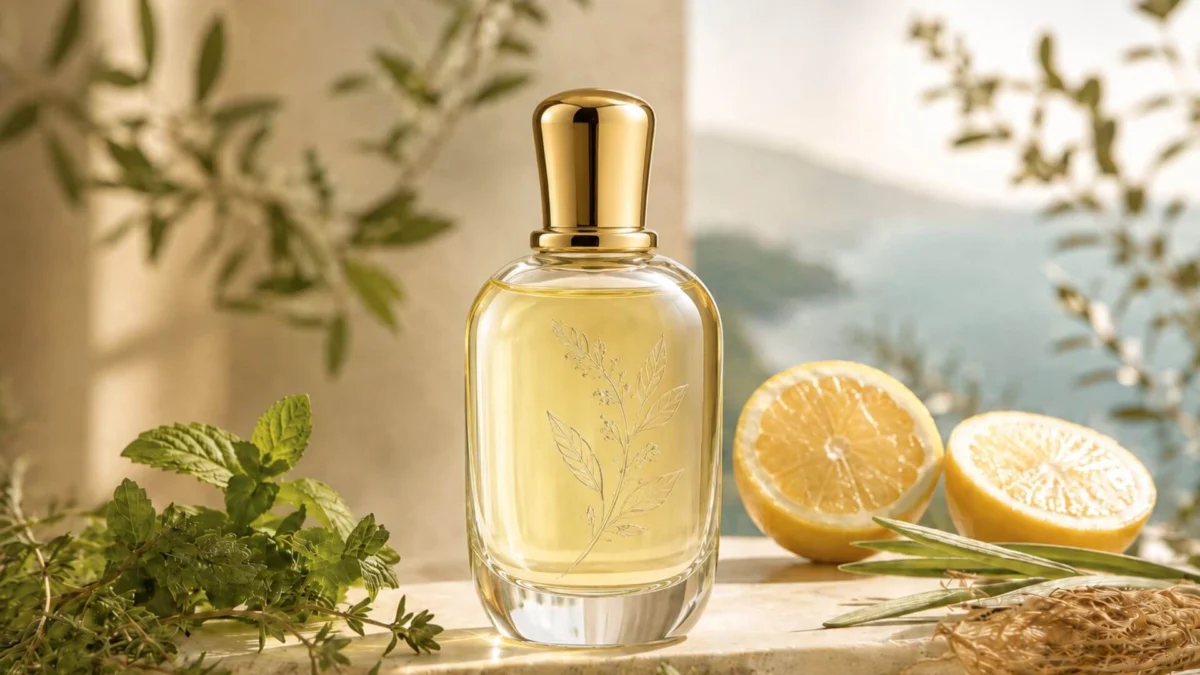
EauDemoiselle de Givenchy utilizes a different but complementary set of ingredients to achieve a similar sense of timelessness. The inclusion of Calabria lemon provides a sharp, high-quality citrus opening, while the addition of a pear accord introduces a subtle, watery sweetness that avoids the "sugary" pitfalls of gourmand fragrances. The heart of the fragrance features Shiso (Japanese basil) and Rose Mosqueta, offering a green, botanical freshness that mimics a dew-covered garden. Both Biotherm and Givenchy rely on the principle that "freshness" is not a monolithic concept but can be interpreted through citrus-creamy lenses or green-floral lenses, depending on the brand’s heritage.
Consumer Psychology and the "Clean Girl" Aesthetic
The current market dominance of these fragrances can be partly attributed to the digital "Clean Girl" aesthetic that has permeated social media platforms over the last several years. This cultural movement prioritizes minimalism, hydration, and an "uncomplicated" appearance. In this context, heavy, complex perfumes are often replaced by scents that suggest hygiene and natural radiance.
Industry analysts note that fragrances like L’Eau by Lait Corporel serve as an invisible accessory for this aesthetic. The "creamy" nuance mentioned in the product’s description is particularly relevant here; it suggests a skin that is well-cared-for and hydrated. This shift represents a move away from the "perfume as a mask" philosophy toward "perfume as an enhancement."

Economic Implications and Retail Strategy
The retail performance of these "staple" fragrances is often more stable than that of trend-driven launches. Because they are viewed as daily essentials rather than luxury splurges, they maintain consistent sales volumes across all seasons. However, strategic discounting remains a key tool for major retailers like El Corte Inglés to capture new demographics.
The recent price adjustment of Biotherm’s L’Eau by Lait Corporel—dropping from an initial 60 euros to a more accessible 42 euros—is a calculated move to position the product as a high-value alternative to niche "skin scents" which often retail for over 150 euros. By lowering the barrier to entry, heritage brands can reclaim market share from "clean beauty" startups, leveraging their established reputations for quality and safety.
Broader Impact on the Fragrance Industry
The success of body-lotion-inspired fragrances is forcing a re-evaluation of how scents are developed. We are seeing a "democratization of elegance," where the scents of everyday grooming products are being elevated to the status of fine art. This has led to the rise of "fragrance layering" as a sophisticated consumer behavior. Users are no longer just applying a perfume; they are starting with a scented shower gel, followed by a matching body milk, and finishing with a coordinated Eau de Toilette to create a multi-dimensional, long-lasting olfactory aura.
Furthermore, the gender-neutral appeal of citrus and cedar notes has allowed these fragrances to transcend traditional marketing boundaries. While often marketed to women, the clean, woody, and citrus profiles of products like L’Eau by Lait Corporel are increasingly being adopted by men who prefer a discreet, professional scent profile over the aggressive "sport" or "oriental" fragrances typically marketed to them.

Future Outlook: Sustainability and Innovation
As the industry moves forward, the "clean" category is expected to evolve further through the lens of sustainability. Consumers who gravitate toward "clean" scents are also increasingly concerned with "clean" formulas. This means a move toward biodegradable ingredients and transparent sourcing for key notes like bergamot and cedarwood.
Biotherm, with its historical focus on "Blue Beauty" and water conservation, is well-positioned to lead this evolution. The integration of sustainable biotechnological ingredients into the L’Eau line will likely be the next step in maintaining its relevance. As the definition of "clean" expands from an olfactory sensation to an ethical standard, the fragrances that can deliver both will define the next decade of the market.
In conclusion, the enduring appeal of fragrances like Biotherm’s L’Eau by Lait Corporel and Givenchy’s EauDemoiselle lies in their ability to provide a sensory anchor in an increasingly complex world. By focusing on the foundational elements of freshness—citrus, light florals, and soft woods—these brands have created a category of "comfort scents" that transcend seasonal trends. Whether it is the nostalgia of a classic body cream or the crispness of a spring morning, these fragrances prove that in the world of perfumery, the simplest sensations are often the most profound.



 Eva Lovia
 Julia Chirkova
 Julia Prastini
 Nila Kartika Wati
 Jia Lissa
 admin
admin