
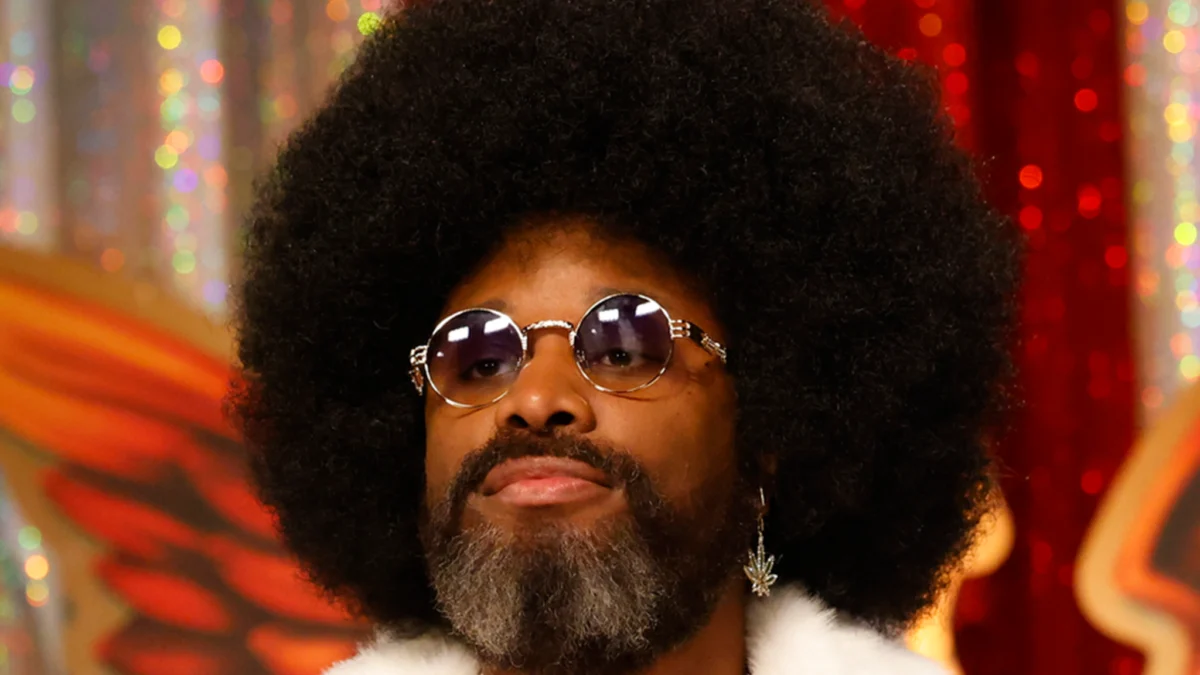
Emotions reached a fever pitch in the ongoing civil trial stemming from the controversial 2022 raid on rapper Afroman’s Ohio home, culminating in a dramatic courtroom scene where a sheriff’s deputy broke down in tears while a sexually explicit satirical music video featuring her likeness was played. The incident, unfolding on Monday, March 17, 2026, saw Adams County Sheriff’s Deputy Lisa Phillips visibly distressed as the 13-minute video, titled "Licc’em Low Lisa," was presented as evidence. The video reportedly depicts an actress portraying Phillips engaged in simulated oral sex with another woman, forming a central piece of Afroman’s artistic retaliation against the deputies involved in the raid.
The courtroom drama captivated observers, highlighting the intense personal and legal stakes involved in the lawsuit. Despite objections from Afroman’s legal team, the presiding judge allowed the video to be played, setting the stage for Phillips’ emotional testimony. Her tears underscored the profound impact Afroman’s extensive social media campaign and musical output have had on the deputies, who claim his actions constitute defamation, invasion of privacy, and unauthorized use of their likenesses.
The Genesis of the Conflict: The 2022 Raid
The roots of this contentious legal battle trace back to August 21, 2022, when deputies from the Adams County Sheriff’s Office executed a search warrant at the Adams County residence of Joseph Edgar Foreman, professionally known as Afroman. The raid, which Afroman extensively documented and later satirized, was reportedly conducted in connection with an investigation into alleged drug offenses, specifically suspected cannabis sales. Law enforcement officials were purportedly seeking evidence related to drug trafficking and possession.
Afroman, however, painted a starkly different picture of the events. He alleged that deputies forcefully entered his home, causing damage, and that during the search, money and other personal belongings went missing. Crucially, he claimed that his home surveillance system was intentionally disconnected by officers, specifically identifying Deputy Lisa Phillips, to prevent him from having "proof" of deputies "stealing money and other things" and "possibly planting false kidnapping evidence." These accusations fueled his subsequent creative output and online tirade against the department.
An external investigation, conducted later by the Ohio Bureau of Criminal Investigation (BCI) at the request of the Adams County Sheriff’s Office, looked into Afroman’s claims regarding the missing money. While the investigation determined that the money was not stolen, it concluded that it had been "miscounted" by the deputies during the chaotic search. This finding, while absolving officers of theft, did not fully alleviate Afroman’s suspicions nor did it de-escalate the public controversy surrounding the raid.
Afroman’s Artistic Retaliation and Social Media Barrage
In the wake of the raid, Afroman embarked on an unprecedented campaign of musical and social media protest. Utilizing his platform as a recording artist, he released several songs and a barrage of posts specifically targeting the Adams County Sheriff’s Office and individual deputies. His primary argument has been that these works fall under his constitutional right to free speech, serving as a satirical commentary and an exposé of what he perceives as police misconduct.
One of the most prominent tracks was "Why You Disconnecting My Video Camera," released in 2022. This music video ingeniously incorporated actual home security footage from the raid, visually depicting deputies moving through his residence. In the lyrics, Afroman directly named Deputy Lisa Phillips, rapping, "Lieutenant Licc’em Low Lisa ate my ex-wife just like pizza," while the video simultaneously showed Phillips walking through his house. This juxtaposition of actual footage with sexually charged, derogatory lyrics formed a powerful, albeit controversial, narrative.
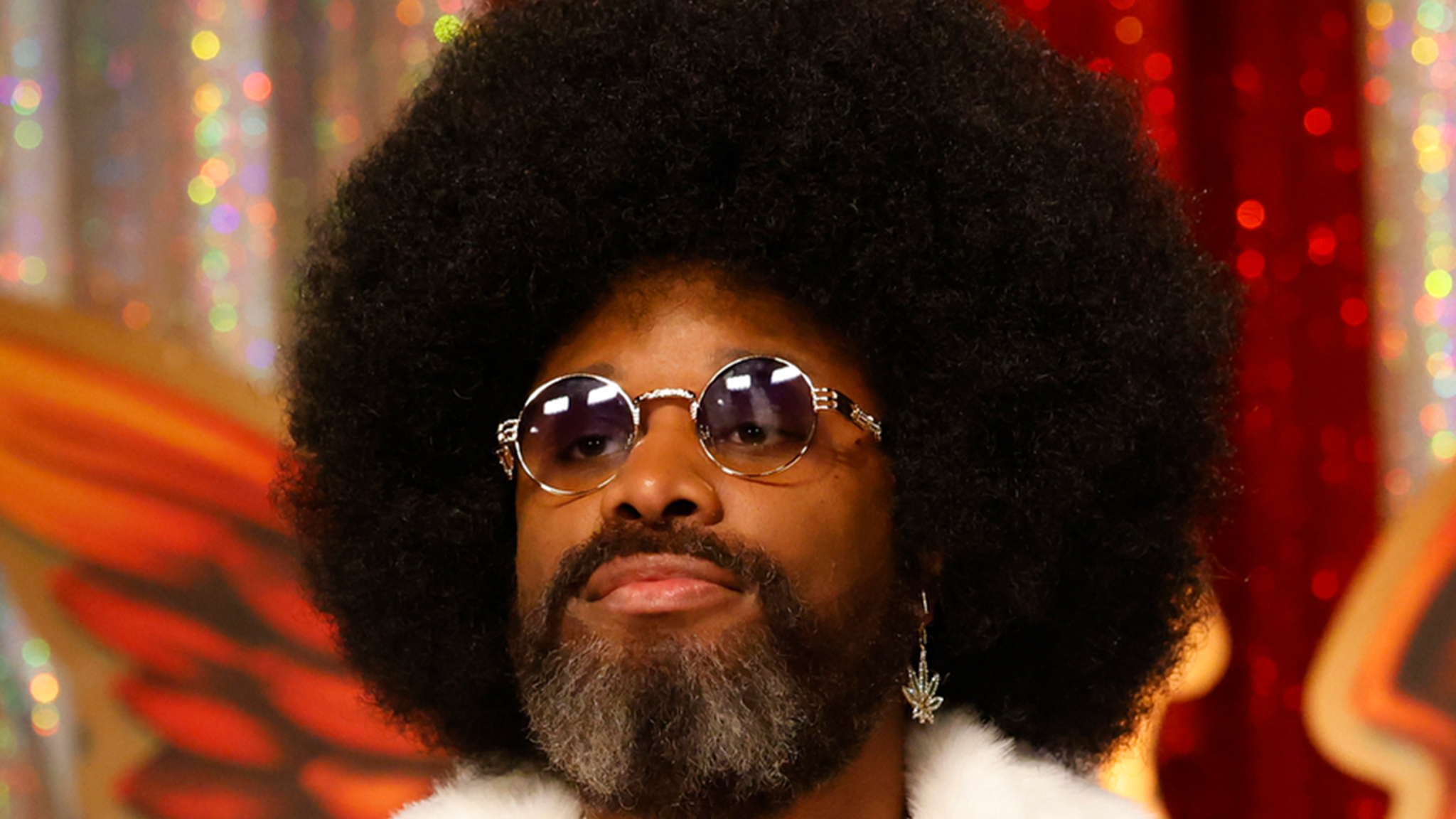
The "Licc’em Low Lisa" video, the focus of Monday’s courtroom emotional display, took the satire to a more explicit level. While it used an actress, its direct targeting and the nature of its content – simulating oral sex – intensified the personal attacks against Deputy Phillips. Afroman’s use of the moniker "Licc’em Low Lisa" became a recurring theme, designed to be both memorable and demeaning.
Beyond music videos, Afroman utilized Instagram to further his campaign. In a particularly incendiary 2022 post, he shared a photo of Deputy Phillips superimposed next to the Mona Lisa, labeling her "ADAMS KKKOUNTY SHERRIF LIEUTENANT MONA LICC’EM LOW LISA" and referring to her with a deeply offensive slur. The lengthy caption accompanying the image continued the personal attacks, questioning her gender and suggesting her voice was "three octaves lower than mine." In this same post, he reiterated his accusation that Phillips had disconnected his home surveillance system to conceal alleged wrongdoing by the deputies. This consistent and highly personal nature of his attacks forms a significant part of the deputies’ case.
The Legal Battle: Deputies’ Claims and Afroman’s Defense
The relentless nature of Afroman’s campaign eventually prompted the Adams County Sheriff’s deputies to file a civil lawsuit against him in March 2023. The plaintiffs, including Deputy Lisa Phillips and other officers involved in the raid, allege that Afroman used their likenesses without permission in his music videos and social media posts, causing them significant emotional distress, reputational damage, and harassment. Their legal arguments likely encompass claims of defamation, invasion of privacy (specifically the right to publicity), and intentional infliction of emotional distress. They contend that Aman’s actions went beyond protected speech, venturing into malicious and harmful personal attacks.
Afroman’s defense centers squarely on the First Amendment of the U.S. Constitution, asserting his right to freedom of speech. He argues that his music and social media content are satirical works of art, political commentary, and a form of protest against perceived government overreach and police misconduct. He took the stand on Tuesday, March 18, 2026, to articulate this defense, emphasizing that his creations are an artistic expression of his experiences and frustrations following the raid. His legal team likely argues that public officials, especially those involved in law enforcement, are subject to a higher standard when claiming defamation, and that satirical or critical commentary, even if harsh, is generally protected speech.
This legal confrontation highlights a critical tension in American law: the balance between an individual’s right to free expression, particularly when critiquing government actions, and the rights of individuals (even public officials) to privacy, reputation, and freedom from harassment. The outcome of this trial could set precedents for how public figures, especially law enforcement, are portrayed in satirical and critical artistic works.
Courtroom Drama Unfolds: Emotional Testimony
The emotional outburst from Deputy Phillips on Monday was a pivotal moment in the trial. While watching the "Licc’em Low Lisa" video, Phillips was seen visibly crying, her distress palpable to everyone in the courtroom. Her testimony likely focused on the personal toll Afroman’s actions have taken on her, detailing the emotional suffering, public humiliation, and potential impact on her professional and personal life. The defense’s objection to playing the video, overruled by the judge, indicates the contentious nature of this evidence and its potential to sway the jury.
Afroman, never one to shy away from controversy, swiftly responded to Phillips’ tears on Instagram the very same day. In a post, he questioned the sincerity and timing of her emotions, writing, "WHERE WAS THESE TEARS WHEN SHE WAS STANDING IN MY YARD WITH A LOADED AR 15 READY TO SWISS CHEESE ME ?" This sharp retort underscores his consistent narrative that the deputies were the aggressors and that any emotional distress they now experience is a consequence of their own actions during the raid. His statement frames the situation as a power imbalance, with law enforcement wielding significant authority, and his art as a means for the less powerful to voice grievances.
The playing of other social media posts in court, including the "Mona Lisa" comparison and derogatory comments, further illustrates the depth of the personal attacks. These pieces of evidence aim to demonstrate a pattern of targeted harassment and malicious intent on Afroman’s part, which is crucial for the deputies to prove their claims of defamation and emotional distress.
Broader Implications: Free Speech, Satire, and Public Accountability
This civil trial extends beyond the immediate parties, touching upon broader societal issues concerning free speech, artistic license, police accountability, and the impact of social media in public discourse. The legal arguments presented by both sides will be scrutinized for their potential to influence future cases involving public figures, especially law enforcement officers, and artistic or satirical commentary.
From Afroman’s perspective, his actions represent a citizen’s right to challenge and critique authority through creative means. The use of satire, even if offensive to some, is often considered a protected form of expression under the First Amendment, particularly when aimed at public officials and matters of public interest. Landmark Supreme Court cases, such as Hustler Magazine v. Falwell, have established a high bar for public figures to win defamation lawsuits, requiring proof of "actual malice" – that the statements were made with knowledge of their falsity or with reckless disregard for the truth. Afroman’s legal team will likely argue that his works are not meant to be taken as literal factual statements but rather as exaggerated, satirical commentary.
Conversely, the deputies argue that there are limits to free speech, especially when it veers into targeted harassment, defamation, and the unauthorized commercial exploitation of an individual’s likeness. While public officials are indeed subject to public scrutiny, they are not entirely stripped of their rights to privacy or protection from malicious falsehoods that damage their reputation or cause severe emotional distress. The deputies’ case could hinge on demonstrating that Afroman’s actions crossed the line from protected speech into unprotected conduct, causing tangible harm.
The trial also implicitly raises questions about police transparency and accountability. Afroman’s initial allegations of theft and evidence tampering, even if partially debunked by the external investigation’s "miscounting" conclusion, highlight public concerns regarding law enforcement conduct during raids. His use of his platform to voice these concerns, albeit in a highly provocative manner, resonates with segments of the public demanding greater oversight of police actions.
The Road Ahead: Legal Precedents and Future Proceedings
The civil trial is expected to continue with more testimony from both sides, including potential expert witnesses on freedom of speech, media law, and psychological impact. The jury will ultimately have to weigh the competing constitutional rights and claims, determining whether Afroman’s artistic and social media expressions were protected speech or actionable harm.
A verdict in favor of the deputies could result in significant financial damages for Afroman, potentially including compensatory and punitive damages. Such an outcome could also set a precedent discouraging artists from using explicit or personally targeted satire against public officials, potentially chilling free speech. Conversely, a verdict in favor of Afroman would reaffirm the broad protections afforded to artistic and satirical expression, even when it involves offensive content directed at public figures.
Regardless of the verdict, this high-profile case has already drawn considerable attention to the complex interplay between artistic freedom, individual rights, and police accountability in the digital age. It serves as a stark reminder of the powerful, and often volatile, intersection of celebrity, law enforcement, and social media in contemporary American society. The outcome will undoubtedly be closely watched by legal scholars, civil liberties advocates, and the entertainment industry alike.

0 Comments