
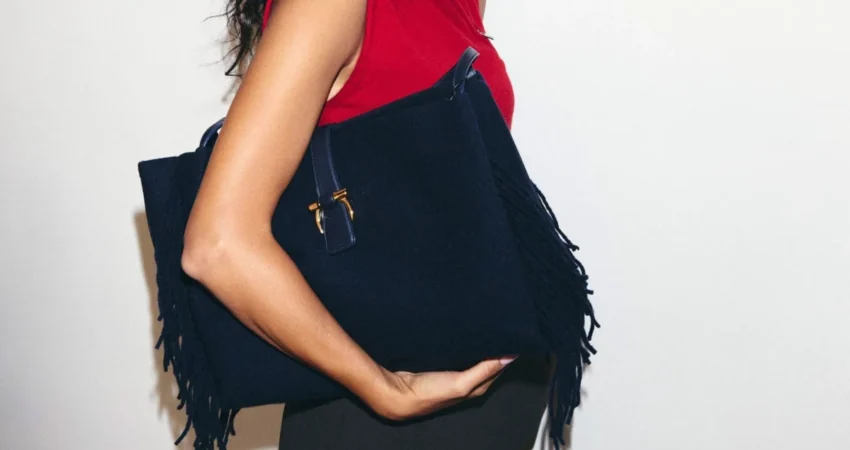
Alejandra Capetillo, the prominent Mexican content creator and fashion influencer, recently hosted an exclusive Style Studio session at Las Rozas Village, a premier luxury shopping destination in Madrid and a member of The Bicester Collection. The event, held within the sophisticated confines of "The Apartment"—a private space dedicated to personalized shopping experiences—served as a platform for Capetillo to present her curated vision of contemporary fashion. By showcasing a selection of high-end garments and accessories, Capetillo engaged with an audience of invited guests to explore the fundamental distinction between luxury as a mere expense and luxury as a long-term investment. This session highlighted not only the evolution of Capetillo’s personal aesthetic but also the broader trends currently shaping the luxury retail landscape in Europe and Latin America.
The Style Studio event marks a significant moment in the ongoing collaboration between international influencers and luxury retail hubs. As the fashion industry shifts toward more experiential and educational models, figures like Capetillo are increasingly utilized to bridge the gap between digital content and physical retail. During the presentation, Capetillo showcased looks featuring various prestigious labels available at the Village, facilitating a dialogue on how to build a functional yet expressive wardrobe. The core of the discussion centered on a question posed to the attendees: "Investment or expense?" The consensus among the participants, guided by Capetillo’s curated choices, was that high-quality, timeless pieces represent a strategic investment in one’s personal brand and sustainability.
Chronology of an Aesthetic Evolution
Alejandra Capetillo’s journey in the fashion world is deeply intertwined with her personal history and her relocation from Mexico to Spain five years ago. Born into one of Mexico’s most recognized artistic families, Capetillo has spent her life under the public eye, yet her move to Madrid in 2019 served as a catalyst for a distinct professional and stylistic departure.
Upon her arrival in the Spanish capital, Capetillo’s wardrobe reflected a preference for comfort and familiar silhouettes. However, the immersion into Madrid’s specific fashion culture—characterized by a blend of classic European elegance and contemporary chic—prompted a gradual transformation. Capetillo notes that her current style is "chameleonic," a departure from the more "square" or rigid approach she previously maintained. This evolution was not an abandonment of her roots but rather an expansion of her visual vocabulary.
Over the past half-decade, Capetillo has integrated the sophisticated sensibilities observed in Spanish women—a trait she credits her mother, Biby Gaytán, for teaching her to appreciate—with the vibrant, artisanal heritage of Mexico. This chronological shift from a comfort-first mindset to a curated, experimental approach serves as the foundation for the advice she now shares with her millions of followers and the guests at Las Rozas Village.
The Intersection of Heritage and Modernity
A central theme of the Style Studio was the integration of cultural identity into modern dressing. For Capetillo, Mexican craftsmanship remains a cornerstone of her identity. She emphasized that Mexican textiles and artisanal pieces are not merely decorative but are "statement pieces" capable of anchoring an entire look. The value of these items, she argued, transcends their price tag, rooted instead in the hours of labor and the ancestral techniques employed by the women who create them.
This sentiment aligns with a growing global trend in the luxury sector where consumers are seeking "quiet luxury" and "heritage-driven" fashion. According to recent market reports by Bain & Company, the luxury artisanal market is seeing a resurgence as consumers pivot away from mass-produced logos in favor of items with a verifiable provenance and human story. Capetillo’s emotional connection to these pieces—noting that they give her "goosebumps"—resonates with a demographic that increasingly views fashion as a form of cultural storytelling.
Strategic Consumption in the Luxury Sector
The "Investment vs. Expense" debate facilitated by Capetillo at Las Rozas Village reflects a broader economic shift in consumer behavior. In a professional journalistic context, it is essential to note that the "cost-per-wear" metric has become a vital tool for the modern consumer. Capetillo’s advice to shoppers is to approach retail with a clear objective, avoiding "one-time-use" garments in favor of versatile staples.
Among her highlighted "investments" was a classic "little black dress" from Chloé, which she utilized throughout the summer season. The choice of Chloé, a brand known for its feminine yet structured silhouettes, exemplifies the type of purchase that retains value over time. Furthermore, her discovery of Etro—a brand celebrated for its bohemian prints and Italian craftsmanship—illustrates the importance of stepping outside one’s comfort zone to find brands that align with an evolving personal identity.

The Bicester Collection, which includes Las Rozas Village, has reported a steady increase in "destination shopping," where visitors spend more time engaging with the brand stories rather than just the products. Data from the European Travel Commission suggests that luxury outlets in Spain are seeing a 15% year-on-year increase in foot traffic from international visitors, particularly from Latin America, who view Madrid as a primary entry point for European luxury.
The Educational Role of Luxury Retail
One of the more profound insights shared by Capetillo during the Style Studio was the concept of shopping as a form of aesthetic education. She compared visiting high-end boutiques like Valentino, Armani, or Prada to visiting a museum. This perspective shifts the act of shopping from a purely transactional experience to one of cultural and artistic appreciation.
"For me, coming to Las Rozas Village is like traveling," Capetillo explained. This statement underscores the strategy of The Bicester Collection to create "villages" that offer an immersive atmosphere. Each boutique represents a different "universe," allowing the consumer to absorb the design philosophy of various creative directors. This educational approach is particularly relevant in the age of fast fashion, as it encourages consumers to slow down and understand the construction, fabric, and history behind a garment.
The Style Studio also provided a rare opportunity for Capetillo to move from the digital realm—where she typically records styling sessions alone for her social media platforms—to a live, interactive environment. This real-time exchange of ideas allows for a more nuanced understanding of how clothes fit different bodies and personalities, further reinforcing the idea that style is a deeply personal endeavor.
Broader Implications and Industry Analysis
The collaboration between Alejandra Capetillo and Las Rozas Village is indicative of the "Influencer 2.0" era, where content creators are no longer just billboards for brands but are active participants in the retail strategy. By hosting workshops and "Style Studios," luxury destinations are leveraging the trust and relatability of influencers to demystify high fashion for a broader audience.
Furthermore, the emphasis on "knowing oneself" as a prerequisite for style carries psychological weight. Industry analysts suggest that the "self-knowledge" trend in fashion is a reaction to the overwhelming influx of micro-trends on platforms like TikTok. By encouraging consumers to define their own style rather than following fleeting trends, influencers like Capetillo are promoting a more sustainable and intentional form of consumption.
From a regional economic perspective, the presence of high-profile Mexican figures in the Spanish fashion scene highlights the strengthening cultural and economic ties between Mexico and Spain. Madrid has become a hub for the Mexican diaspora, particularly among the affluent and creative classes. This demographic shift is reflected in the retail strategies of places like Las Rozas Village, which tailor their offerings and events to appeal to a trans-Atlantic clientele.
Conclusion: The Wardrobe as a Reflection of the Self
The Style Studio at Las Rozas Village concluded with a powerful takeaway: a wardrobe is more than a collection of clothes; it is a repository of memories, roots, and evolving identities. Alejandra Capetillo’s transition from a comfort-oriented dresser to a "chameleonic" fashion authority serves as a blueprint for the modern consumer.
As the luxury market continues to navigate a complex global economy, the focus on "investment pieces" and "self-discovery" provides a stable path forward. The event demonstrated that when fashion is approached with intentionality and a respect for craftsmanship, it ceases to be a superficial expense and becomes a meaningful investment in one’s personal narrative. In the words of Capetillo, "A large part of knowing your style is knowing yourself," a sentiment that now echoes through the corridors of Las Rozas Village as a new standard for the luxury shopping experience.
By combining the elegance of Madrid with the soul of Mexico, and the pragmatism of investment with the joy of discovery, Alejandra Capetillo and Las Rozas Village have redefined what it means to be "in style" in the 21st century. The success of the Style Studio suggests that the future of luxury retail lies in this delicate balance of education, inspiration, and authentic cultural representation.

0 Comments