
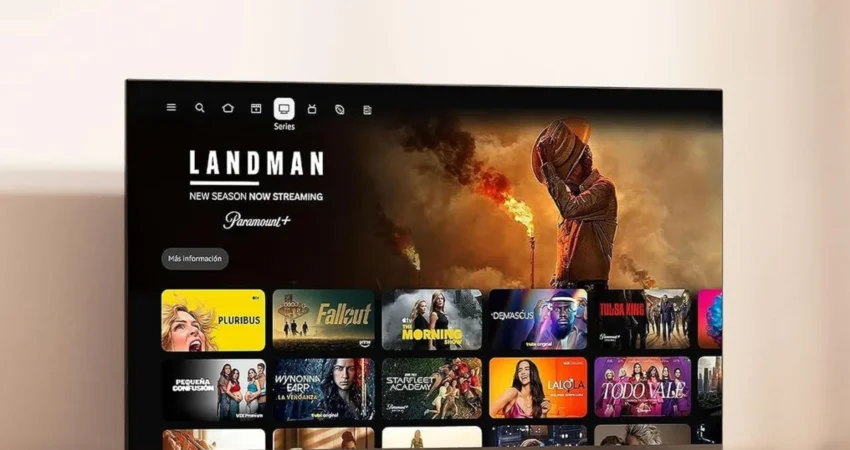
In a strategic move to capture a larger share of the burgeoning domestic streaming market, Amazon Mexico has initiated a significant price reduction across its entire Fire TV Stick product line. This promotional campaign targets consumers looking to modernize older television sets or transform standard computer monitors into comprehensive multimedia hubs. The discounts span the entry-level Fire TV Stick HD, the mid-range 4K Plus, and the flagship 4K Max, with prices starting as low as 399 MXN. This initiative comes at a time when digital consumption in Mexico is shifting rapidly toward integrated smart home ecosystems and cloud-based entertainment services.
The current pricing structure represents a substantial entry point for high-definition and ultra-high-definition streaming. The Fire TV Stick HD, designed for standard 1080p displays, is now positioned at 399 MXN. The Fire TV Stick 4K Plus, which offers enhanced compatibility with advanced HDR formats, is available for 749 MXN. At the top of the hierarchy, the Fire TV Stick 4K Max—Amazon’s most powerful streaming dongle to date—has been reduced to 1,199 MXN. These price points are further incentivized for Amazon Prime members, who receive expedited shipping at no additional cost, reinforcing the company’s efforts to strengthen its subscription-based loyalty program in the Latin American region.
Technical Specifications and Model Differentiation
The Fire TV Stick ecosystem is built upon Fire OS, a proprietary operating system that has undergone significant iterations to improve user interface responsiveness and content discovery. While all three discounted models provide access to a vast library of applications—including Netflix, Disney+, Max, Spotify, and YouTube—their hardware capabilities vary significantly to cater to different user requirements.
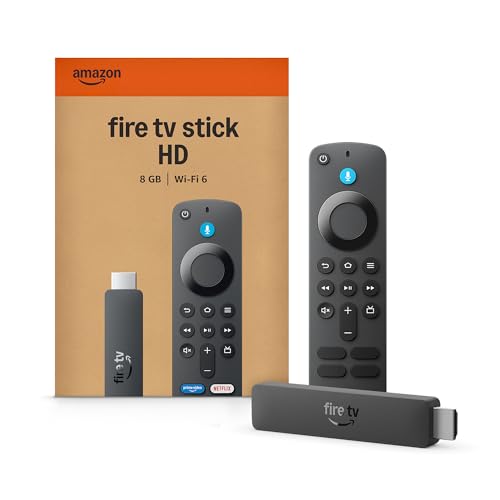
The Fire TV Stick HD serves as the baseline, offering a "slim and portable" design intended for secondary televisions or travel use. Despite its entry-level status, it includes an Alexa-enabled voice remote, allowing users to navigate menus and search for content through voice commands. This model is particularly effective for upgrading "dumb" TVs that lack native internet connectivity but possess a functional HDMI port.
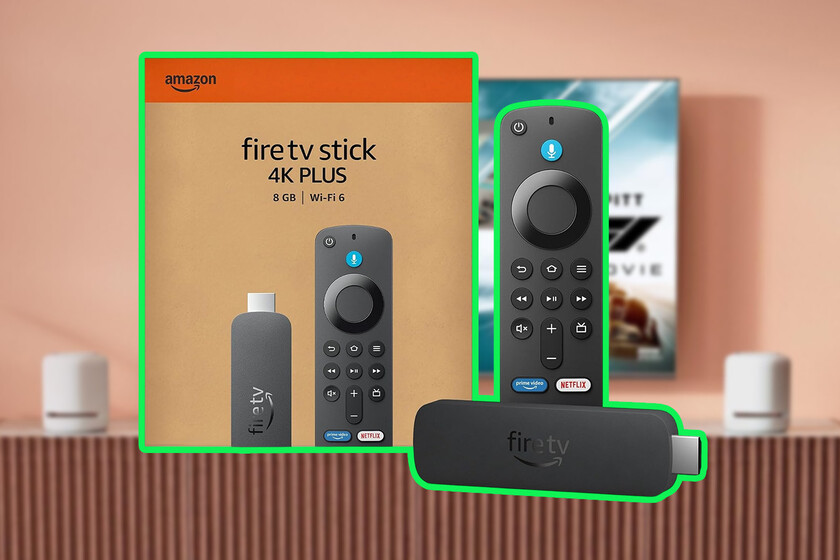
The Fire TV Stick 4K Plus represents the middle ground, bridging the gap between affordability and high-end visual performance. It supports 4K Ultra HD resolution and is compatible with Dolby Vision, HDR10+, and Dolby Atmos audio. This makes it an ideal companion for mid-range 4K televisions where the built-in smart interface may have become sluggish or ceased to receive firmware updates from the manufacturer.
The flagship Fire TV Stick 4K Max distinguishes itself with superior processing power and connectivity. It is the only model in the lineup to support Wi-Fi 6E, a standard that utilizes the 6GHz band to reduce interference and provide smoother streaming in homes with multiple connected devices. Furthermore, the 4K Max features the "Ambient Experience," which allows the television to function as a smart display, showing art, widgets, or family photos when not actively used for streaming. It also boasts increased storage capacity (16GB), allowing for a larger number of applications and offline data.
The Integration of Cloud Gaming and Xbox Game Pass
One of the most significant developments in the Fire TV ecosystem, and a primary driver of the current sales push, is the integration of cloud gaming. Amazon recently partnered with Microsoft to bring the Xbox app to select Fire TV devices. This allows users with an Xbox Game Pass Ultimate subscription to stream hundreds of high-quality titles, such as Halo Infinite, Forza Horizon 5, and Starfield, directly to their television without the need for a physical gaming console.
This technological leap democratizes high-end gaming, as the heavy lifting of graphical processing is handled in the cloud. Users only require a compatible Fire TV Stick (specifically the 4K and 4K Max models), a stable high-speed internet connection, and a Bluetooth-enabled controller. By positioning the Fire TV Stick as a gaming gateway, Amazon is effectively competing not just with other streaming sticks like Roku or Google Chromecast, but also with entry-level gaming hardware. Industry analysts suggest that this move is a critical component of Amazon’s broader strategy to make the Fire TV interface the central "input" for all living room entertainment.
Alexa+ and the Evolution of the Smart Home Hub
Beyond media consumption, the discounted Fire TV Sticks are marketed as central nodes for the "Alexa+" ecosystem. The latest firmware updates have enhanced the AI’s ability to provide personalized content recommendations based on viewing history and user preferences. However, the functionality extends into the realm of home automation.
Through the Fire TV interface, users can manage a variety of smart gadgets, including LED bulbs, smart plugs, security cameras, and video doorbells. The "Picture-in-Picture" feature allows viewers to monitor a Ring doorbell feed or a nursery camera without interrupting their movie or show. Additionally, the integration with Amazon’s retail platform allows users to track package deliveries in real-time through on-screen notifications. This level of integration is designed to create a "sticky" ecosystem, where the convenience of managing a household from the sofa encourages further investment in Amazon-compatible hardware.
Market Context: The "Smart TV" Longevity Problem
The surge in demand for external streaming devices like the Fire TV Stick is largely a response to the inherent limitations of Smart TV hardware. While most modern televisions come with built-in software, these systems often suffer from "planned obsolescence" or a lack of long-term support. Manufacturers frequently stop updating the apps on older models after three to five years, leading to security vulnerabilities and the eventual loss of access to new streaming services.
By utilizing a Fire TV Stick, consumers can effectively decouple the display technology from the smart interface. A high-quality 4K panel can last a decade or more, whereas the software required to run modern apps evolves much faster. A 400 to 1,200 MXN investment in a Fire TV Stick allows a user to "reset" the intelligence of their television, providing a snappy, modern interface on a screen that might otherwise be considered obsolete. This trend toward "modular" smart tech is gaining traction in Mexico as consumers become more conscious of electronic waste and the value of extending the lifespan of expensive appliances.
Competitive Landscape and Economic Implications
The Mexican e-commerce and electronics market is currently a battleground for several major players. Amazon’s primary competitors, such as Roku and Google (with Chromecast/Google TV), offer similar devices at competitive price points. However, Amazon’s advantage lies in its deep integration with its own logistics network and the Prime ecosystem.
The decision to slash prices on the Fire TV lineup is viewed by economists as a move to secure market share ahead of major seasonal sales events. By lowering the barrier to entry, Amazon ensures that more households are locked into its interface, which in turn drives higher consumption of Prime Video content and increased data collection for targeted advertising. Furthermore, as the Mexican middle class continues to expand its digital footprint, providing affordable access to 4K technology is a vital step in establishing long-term brand loyalty.

Official Stance and Corporate Strategy
While Amazon Mexico has not issued a specific press release for this mid-week price adjustment, the company’s global strategy has consistently emphasized "customer obsession" and accessibility. In previous statements regarding the Fire TV line, Amazon executives have highlighted that the goal is to provide a "high-end experience at an affordable price."
Microsoft’s Gaming CEO, Phil Spencer, has also commented on the partnership that enables Xbox on Fire TV, stating that the mission is to "bring gaming to more people on more devices." This synergy between the world’s largest e-retailer and a leading gaming entity creates a unique value proposition that is currently unmatched by competitors in the Mexican market.
Broader Impact and Future Outlook
The proliferation of affordable streaming and gaming sticks is set to have a profound impact on the Mexican media landscape. As high-speed fiber optic internet becomes more widely available in urban and suburban areas, the reliance on traditional cable and satellite television is expected to decline. Devices like the Fire TV Stick facilitate this "cord-cutting" transition by providing a user-friendly platform for aggregated digital services.
Looking ahead, the industry expects further advancements in AI-driven navigation. Future iterations of Fire OS are rumored to include even deeper generative AI integration, allowing users to find movies using complex natural language queries like "find me a suspenseful thriller set in a desert that is suitable for teenagers."
For now, the current discounts in the Mexican market represent a high-value opportunity for consumers to modernize their home entertainment setups. Whether for reviving an old bedroom TV, turning a computer monitor into a gaming station, or ensuring a main living room set has access to the latest Wi-Fi standards, the Fire TV Stick remains a cornerstone of the modern digital home. As the promotion continues, it is expected to drive significant volume, further cementing Amazon’s role as a dominant force in both the hardware and content distribution sectors in Mexico.

0 Comments