
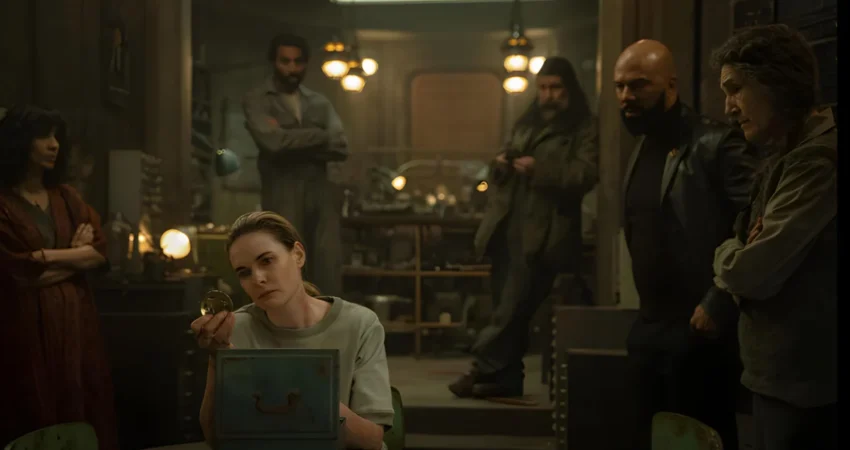
The streaming landscape has witnessed a significant shift in recent years, with Apple TV+ emerging as a dominant force in the high-concept science fiction genre. Following the conclusion of its third season, the platform has officially confirmed that its flagship dystopian drama, Silo, will return for a fourth and final season, scheduled to premiere on July 9, 2027. This announcement comes as the series maintains a dominant position in streaming metrics, having secured a spot in the Apple TV+ Top 10 for six consecutive weeks during its most recent run. As a cornerstone of the service’s "prestige sci-fi" portfolio, the series continues to draw critical acclaim for its intricate blend of political conspiracy, class-based social commentary, and post-apocalyptic mystery.
The Evolution of the Silo Narrative
Silo is an adaptation of the celebrated "Silo" trilogy of novels—Wool, Shift, and Dust—penned by American author Hugh Howey. The series’ journey from a self-published digital novella to a multi-million dollar television production mirrors the rising demand for complex, world-building narratives in the streaming era. Set in a future where the Earth’s surface has become a toxic wasteland, the story follows the remnants of humanity—approximately 10,000 people—living in a massive underground bunker extending 144 stories beneath the soil.
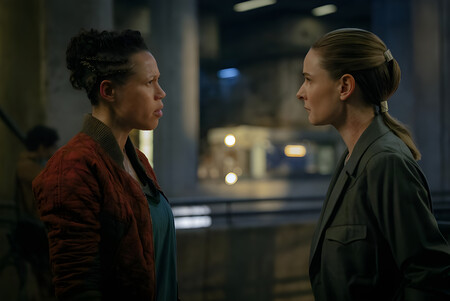
The narrative center of the series is Juliette Nichols, portrayed by Rebecca Ferguson, an engineer who rises from the depths of the "Mechanical" levels to the position of Sheriff. Nichols’ investigation into the suspicious death of her partner evolves into a dangerous excavation of the silo’s true history. Throughout its three-season arc, the show has meticulously deconstructed the mythology of the bunker, exploring the "Pact" (the silo’s governing set of laws) and the authoritarian control exerted by the IT department and its mysterious leadership.

By the end of the third season, the scope of the story expanded significantly. Viewers were introduced to the concept of multiple silos and the "algorithm" that dictates the survival and suppression of their inhabitants. The tension between the various social strata—the laborers of the lower levels, the bureaucrats of the mid-levels, and the elite of the "Up-top"—has served as a persistent engine for the show’s political drama, drawing frequent comparisons to other high-stakes genre works like HBO’s Game of Thrones and Amazon’s Fallout.
Critical Performance and Viewership Data
The decision to conclude Silo with a fourth season appears to be a strategic move to preserve the narrative integrity of Hugh Howey’s original work while capitalizing on the show’s peak popularity. The critical reception for the series has remained remarkably high. On the review aggregator Rotten Tomatoes, the third season maintained a 96% approval rating from critics. Perhaps more impressively, the Season 3 finale achieved a 9.6 rating on IMDb, a score that places it among the highest-rated individual episodes of television in the current decade.
This critical success is reflected in the show’s sustained viewership. Maintaining a top-ten position on a major streaming platform for over a month indicates a strong "word-of-mouth" factor and a loyal subscriber base. Industry analysts suggest that Silo, alongside other Apple TV+ originals like Severance and For All Mankind, has helped the platform cultivate a specific brand identity: the home of "thoughtful, high-budget adult science fiction."
Production Timeline and the 2027 Release Window
The announcement of a July 9, 2027, release date for the final season indicates a three-year production cycle. While this may seem like an extended wait for fans, it is consistent with the production demands of modern, high-fidelity science fiction. The series requires extensive post-production, including complex visual effects to render the cavernous interiors of the silo and the desolate, "toxic" exterior world.

Furthermore, the schedule reflects the busy career of lead actress and executive producer Rebecca Ferguson, who has become a major figure in Hollywood franchises, including Mission: Impossible and Dune. The gap also allows showrunner Graham Yost and the writing team to meticulously craft a conclusion that addresses the myriad mysteries established since the first episode. Given that the series is approaching the events of the final book, Dust, the production scale for the fourth season is expected to be the largest yet, potentially involving more exterior sequences and broader world-building as the secret of the silos is fully revealed.
Comparative Analysis: Apple TV+ vs. The Sci-Fi Market
The success of Silo must be viewed within the broader context of the "Science Fiction Renaissance" currently taking place in television. When Apple TV+ first launched, industry insiders noted the platform’s ambition to create its own version of a cultural phenomenon like Game of Thrones. While other services attempted to do this through high fantasy, Apple pivoted toward dystopian and speculative fiction.
Silo shares thematic DNA with several other major productions but maintains a distinct identity. While Amazon’s Fallout leans into dark humor and retro-futuristic aesthetics, Silo adopts a more grounded, gritty, and claustrophobic tone. It focuses on the psychological toll of confinement and the fragility of truth in an isolated society.
The platform’s commitment to this niche is evident in its current and upcoming slate:
- For All Mankind: An alternate history of the space race.
- Foundation: A sprawling galactic epic based on Isaac Asimov’s work.
- Severance: A corporate thriller exploring the boundaries of memory and identity.
- Dark Matter: A multi-dimensional mystery based on Blake Crouch’s novel.
- Upcoming Projects: Series like Murderbot and Pluribus continue this trend.
By securing the final season of Silo, Apple ensures that it provides a definitive ending to one of its most popular stories, a move that is increasingly important for retaining subscribers who are often frustrated by the premature cancellation of genre shows on competing platforms like Netflix or Disney+.
Official Responses and Anticipation
While official statements from Apple TV+ executives have been measured, focusing on the "gratitude for the fans’ patience," members of the creative team have expressed excitement about the final chapter. Hugh Howey, the author of the original books, has been an active participant in the show’s development, frequently engaging with the fanbase to ensure the adaptation remains true to the spirit of the novels.
Fans have already begun speculating on the plot of the fourth season. Key questions remain regarding the ultimate fate of Juliette Nichols and the potential for a revolution that could dismantle the silo system entirely. The "9.6" rating of the Season 3 finale has set a high bar for the series finale, with expectations that the show will deliver a resolution that is both emotionally satisfying and intellectually stimulating.
Broader Impact and Implications for the Streaming Industry
The trajectory of Silo offers a blueprint for how streaming services can manage high-value intellectual property. Rather than stretching the story indefinitely, the decision to end at Season 4 suggests a commitment to "event television." This approach prioritizes quality and legacy over sheer volume, a strategy that Apple has utilized to distinguish itself in a crowded market.

For the audience, the 2027 release date creates a long-term anticipation cycle. In the interim, Apple TV+ is expected to leverage its "Prime Video Channels" partnership with Amazon to keep the series visible to new subscribers. As the industry moves toward a more consolidated and cost-conscious model, the success of a high-budget, niche sci-fi show like Silo proves that there is still a significant market for complex storytelling that requires a high degree of viewer engagement.
As the production for the final season begins, the focus will remain on whether the show can maintain its 96% critical standing. If the fourth season succeeds in sticking the landing, Silo will likely be remembered as a definitive entry in the science fiction canon, standing alongside classics of the genre as a profound meditation on authority, survival, and the enduring human desire to see what lies beyond the horizon—even if that horizon is toxic.
For those who have yet to enter the bunker, the three-year wait for the finale provides an ample window to catch up on the 30 episodes currently available. With its blend of technical mastery and narrative depth, Silo remains a testament to the power of well-executed speculative fiction in the 21st century.

0 Comments