
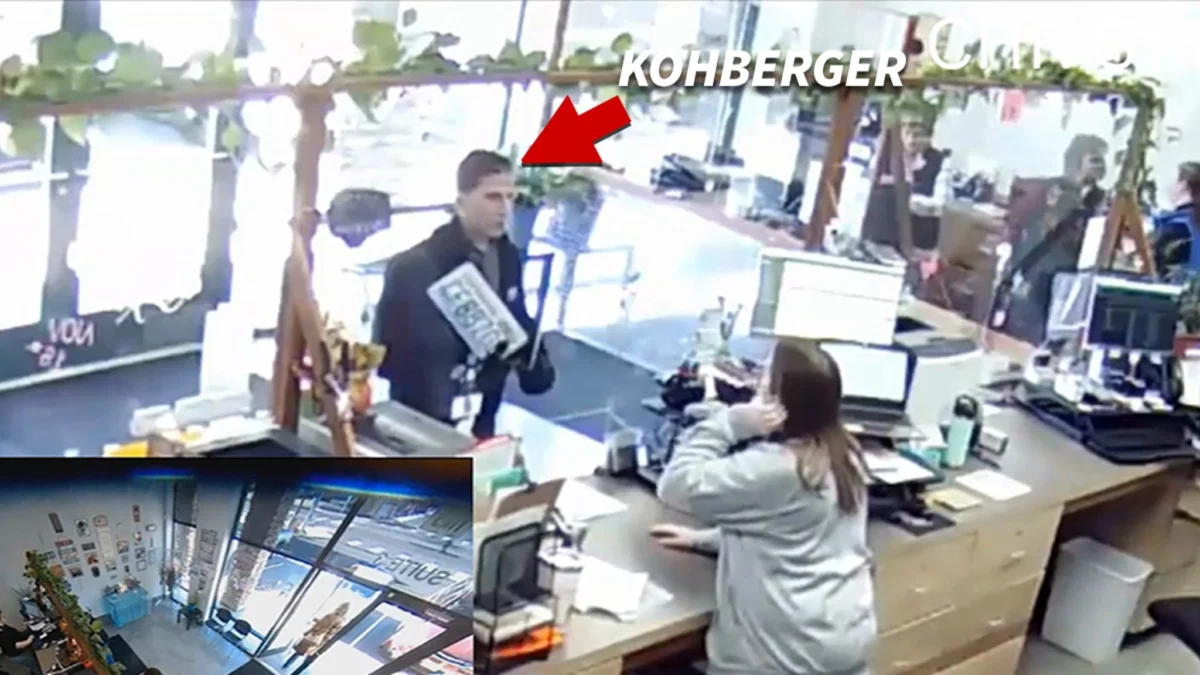
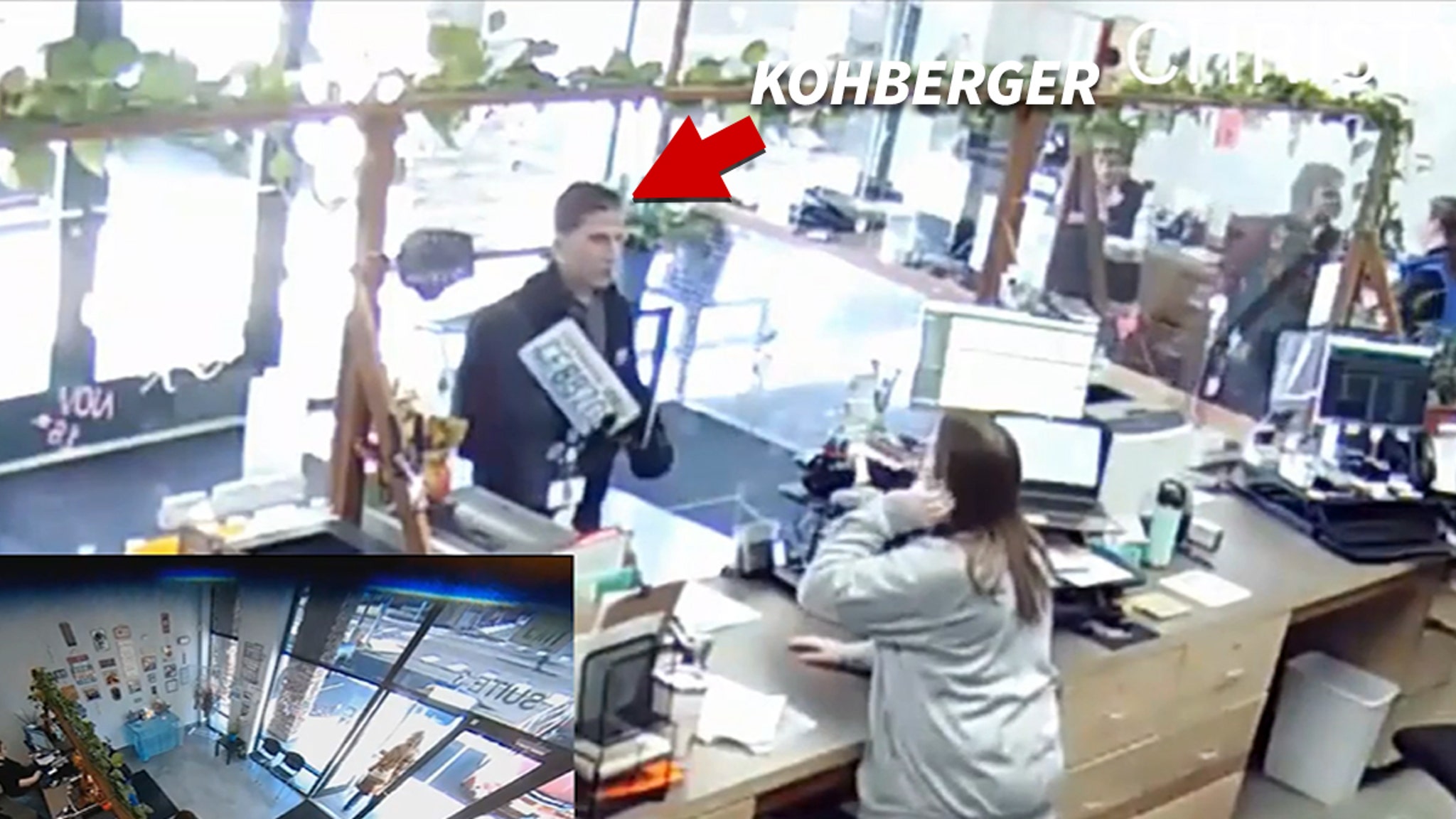
A recently unearthed video reveals Bryan Kohberger, the convicted perpetrator of the horrific 2022 quadruple murders in Moscow, Idaho, calmly conducting vehicle registration business at a Washington Department of Motor Vehicles (DMV) office just days after the brutal slayings. The footage, initially brought to public attention by YouTube user Christy’s Chaos, depicts Kohberger in an apparently relaxed demeanor as he initiated the process of changing his Pennsylvania license plates to Washington plates, a move prosecutors later argued was a deliberate attempt to obscure his vehicle’s identity and hinder law enforcement tracking efforts in the immediate aftermath of the crimes. This revelation, surfacing long after his conviction, adds another chilling layer to the timeline of events that led to his eventual capture and life sentence.
The Unveiling of Critical Evidence: The DMV Footage
The video, timestamped shortly after November 13, 2022 – the date of the murders – captures Kohberger inside a Washington State DMV facility. His composure in the footage stands in stark contrast to the heinous acts he had just committed. Dressed casually, he is seen interacting with DMV personnel, processing paperwork for a vehicle information change. Specifically, the transaction involved replacing his Pennsylvania-issued license plates, which were on the white Hyundai Elantra linked to the crime scene, with new Washington plates. This seemingly innocuous administrative task would later be highlighted by prosecutors as a calculated maneuver designed to throw investigators off his trail. The footage provides a visual testament to Kohberger’s apparent coolness under pressure, a characteristic often observed in individuals with psychopathic tendencies, further unsettling those who have followed the case. The public release of this video, years after the initial investigation and trial, serves as a stark reminder of the meticulous nature of the evidence gathering that ultimately led to his conviction.
A Calculated Move: Obfuscation and Delay
Prosecutors, throughout the legal proceedings, consistently emphasized the significance of Kohberger’s DMV visit. They posited that his decision to change his license plates was not merely a matter of administrative convenience but a conscious effort to create a new vehicle identity. At the time of the murders, Kohberger was a Ph.D. student in criminology at Washington State University in Pullman, Washington, located a mere nine miles from Moscow, Idaho. His vehicle, a white 2015 Hyundai Elantra, bearing Pennsylvania plates, was identified as being present near the crime scene during the estimated time of the murders. By switching to Washington plates, Kohberger aimed to erase a crucial identifying marker that could connect him or his vehicle to the crime. This act, while ultimately failing to prevent his capture, did succeed in buying him valuable time, complicating the initial stages of the vehicle-based manhunt that quickly became a cornerstone of the investigation. The prosecution also noted that Kohberger’s Pennsylvania license was nearing its expiration, a detail that, in isolation, might have appeared legitimate to DMV officials, thus raising no immediate red flags at the time of the transaction. This confluence of factors allowed him to operate under a temporary veil of anonymity, illustrating a chilling level of forethought in his post-crime actions.
The Shadow of Moscow: Revisiting the Idaho Murders
The brutal slayings that sent shockwaves across the nation occurred in the early hours of November 13, 2022, at an off-campus rental home on King Road in Moscow, Idaho. The victims were four University of Idaho students: Kaylee Goncalves, Madison Mogen, Xana Kernodle, and Ethan Chapin. Goncalves and Mogen were found deceased in one bedroom, while Kernodle and Chapin were found in another. Two other roommates were present in the house at the time but survived, seemingly undisturbed, leading to initial confusion and a heightened sense of fear within the community. The sheer brutality of the stabbings, coupled with the lack of an immediate suspect, plunged the small university town into a state of profound anxiety. Students were urged to leave campus, and local businesses saw a significant downturn. The case garnered national attention, with immense public pressure mounting on law enforcement to identify and apprehend the perpetrator. The initial weeks of the investigation were marked by scarce public information, leading to widespread speculation and theories, exacerbating the community’s distress. The victims’ families, grappling with unimaginable grief, became vocal advocates for swift justice, their pleas echoing the sentiments of a nation horrified by the senseless violence.
The Hunt for a Killer: An Investigative Odyssey
The investigation into the Idaho murders was a complex and painstaking effort, involving multiple law enforcement agencies, including the Moscow Police Department, Idaho State Police, and the FBI. Early leads were scarce, but forensic teams meticulously processed the crime scene, collecting DNA evidence that would prove crucial. Surveillance footage from various locations in Moscow and Pullman became instrumental in identifying a white Hyundai Elantra repeatedly seen in the vicinity of the King Road house during the critical hours surrounding the murders. This vehicle, initially with Pennsylvania plates, became a central focus of the manhunt. Investigators painstakingly sifted through thousands of tips, analyzed cell phone data, and cross-referenced vehicle registrations. The DNA evidence, combined with the tracking of the Elantra and cell phone pings, gradually led authorities to Bryan Kohberger. His academic background in criminology, specializing in criminal justice and forensic psychology, added an unsettling dimension to the case, suggesting a twisted application of his studies. The proximity of his residence in Pullman to the crime scene in Moscow further solidified his position as a prime suspect, painting a picture of a predator operating terrifyingly close to his victims.
The Cross-Country Journey and Incriminating Stops
Following the murders and his DMV visit, Kohberger embarked on a cross-country drive from Washington to his parents’ home in Pennsylvania. This journey, undertaken with his father in the white Hyundai Elantra, occurred in mid-December 2022. During this trip, Kohberger and his father were pulled over twice by law enforcement in Indiana for minor traffic infractions. Body camera footage from these traffic stops later revealed the vehicle bearing its newly acquired Washington license plates. At the time of these stops, Kohberger was not yet identified as a suspect in the Idaho murders, and the officers had no reason to detain him beyond issuing warnings. However, once he became the focal point of the investigation, these seemingly routine traffic stops took on immense significance. The bodycam footage provided irrefutable proof of his presence and the vehicle’s updated registration, offering critical corroboration to the prosecution’s timeline and narrative. These instances underscored the meticulous nature of police work and how seemingly inconsequential interactions can later become vital pieces of a larger, complex puzzle, reinforcing the trail of evidence against Kohberger.
Arrest, Extradition, and Legal Closure
The relentless pursuit of justice culminated in Bryan Kohberger’s arrest on December 29, 2022, at his parents’ home in Chestnuthill Township, Pennsylvania. The arrest was executed by local law enforcement in collaboration with the FBI, ending weeks of intense speculation and fear. Kohberger was subsequently extradited to Idaho, a process that involved a court hearing in Pennsylvania where he waived his right to fight extradition. Upon his arrival in Idaho, he faced charges of four counts of first-degree murder and one count of felony burglary. The probable cause affidavit, released shortly after his extradition, outlined the detailed evidence that led to his arrest, including DNA found at the crime scene, cell phone tower data placing him near the victims’ residence multiple times, and the identification of his vehicle.
The legal proceedings that followed were closely watched by the nation. After initial court appearances and a preliminary hearing, Kohberger was formally indicted by a grand jury. Throughout the pre-trial phase, his legal team mounted various challenges to the evidence and procedures. However, in a significant turn of events that provided a measure of closure to the victims’ families and the wider community, Bryan Kohberger ultimately pled guilty to all four counts of first-degree murder and the felony burglary charge. This plea, which averted a lengthy and potentially traumatic trial, sealed his fate. He was subsequently sentenced to life in prison without the possibility of parole, ensuring that he would spend the remainder of his life incarcerated, held accountable for the unspeakable crimes he committed.
Implications for Justice: The Role of Digital and Forensic Evidence
The Bryan Kohberger case serves as a powerful testament to the evolving landscape of criminal investigations, where the confluence of traditional police work, advanced forensic science, and digital footprints plays an indispensable role. The DNA evidence recovered from the crime scene, coupled with genealogical DNA analysis, proved to be a critical breakthrough, narrowing down the suspect pool and eventually pointing directly to Kohberger. Furthermore, the meticulous analysis of cell phone tower data allowed investigators to track Kohberger’s movements, placing him in the vicinity of the King Road house during crucial times, both before and after the murders.
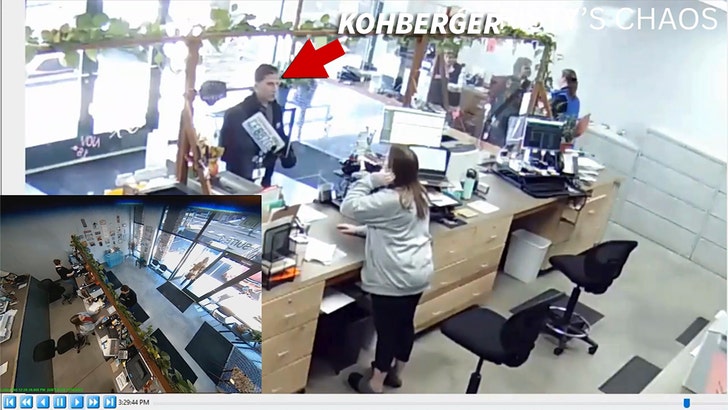
The revelation of the DMV video underscores the importance of administrative records and seemingly mundane bureaucratic processes in criminal investigations. What might appear as a simple license plate change to an ordinary citizen became a pivotal piece of evidence for the prosecution, demonstrating Kohberger’s intent to conceal his identity and evade capture. This case exemplifies how every action, even seemingly minor ones, can leave a digital or administrative trace that, when meticulously pieced together by dedicated investigators, can lead to the identification and conviction of perpetrators. It highlights the growing challenges for criminals attempting to operate in an increasingly interconnected and surveilled world, where every transaction, every movement, and every online interaction can potentially serve as a breadcrumb for law enforcement. The collective weight of this diverse array of evidence – from biological samples to digital pings and administrative records – built an unassailable case against Kohberger, leading to his guilty plea and conviction.
The Human Toll: Victims, Families, and Community
The Idaho murders left an indelible scar on the University of Idaho community, the town of Moscow, and the families of Kaylee Goncalves, Madison Mogen, Xana Kernodle, and Ethan Chapin. The healing process has been long and arduous, marked by profound grief, trauma, and a desperate yearning for justice. The guilty plea and subsequent life sentence for Bryan Kohberger, while providing a degree of legal finality, can never fully erase the pain and loss endured by those closest to the victims. For the families, the knowledge that Kohberger will spend his life behind bars offers a measure of accountability, preventing him from ever harming another innocent life. Their public statements throughout the investigation and trial reflected a blend of raw emotion and unwavering resolve, advocating tirelessly for their loved ones.
The University of Idaho community grappled with the aftermath of the tragedy, implementing enhanced security measures and offering extensive counseling services to students and faculty. The memory of the four bright young lives lost continues to resonate, serving as a poignant reminder of the fragility of peace and safety. The case also captivated the public imagination, sparking widespread discussions about campus safety, the nature of evil, and the intricacies of modern criminal investigations. The DMV video, emerging years later, adds to the narrative of a case that has profoundly impacted countless individuals, offering a chilling glimpse into the mind of a perpetrator attempting to outwit justice, ultimately to no avail. The legacy of the Idaho murders will forever be intertwined with the resilience of a community and the relentless pursuit of justice for its fallen.
In conclusion, the emergence of the DMV footage of Bryan Kohberger, calmly changing his license plates just days after committing four heinous murders, serves as a chilling epilogue to one of the most high-profile criminal cases in recent memory. This video, alongside a mountain of other forensic and digital evidence, meticulously gathered and analyzed, painted a comprehensive picture of a calculated killer. While Kohberger’s attempt to obscure his tracks through this administrative act ultimately proved futile in the face of a thorough investigation, it stands as a stark reminder of the lengths to which he went to evade justice. His guilty plea and subsequent life sentence have brought a definitive end to the legal chapter of this tragic saga, providing a measure of closure for the victims’ families and a community forever changed by the events of November 2022.

0 Comments