

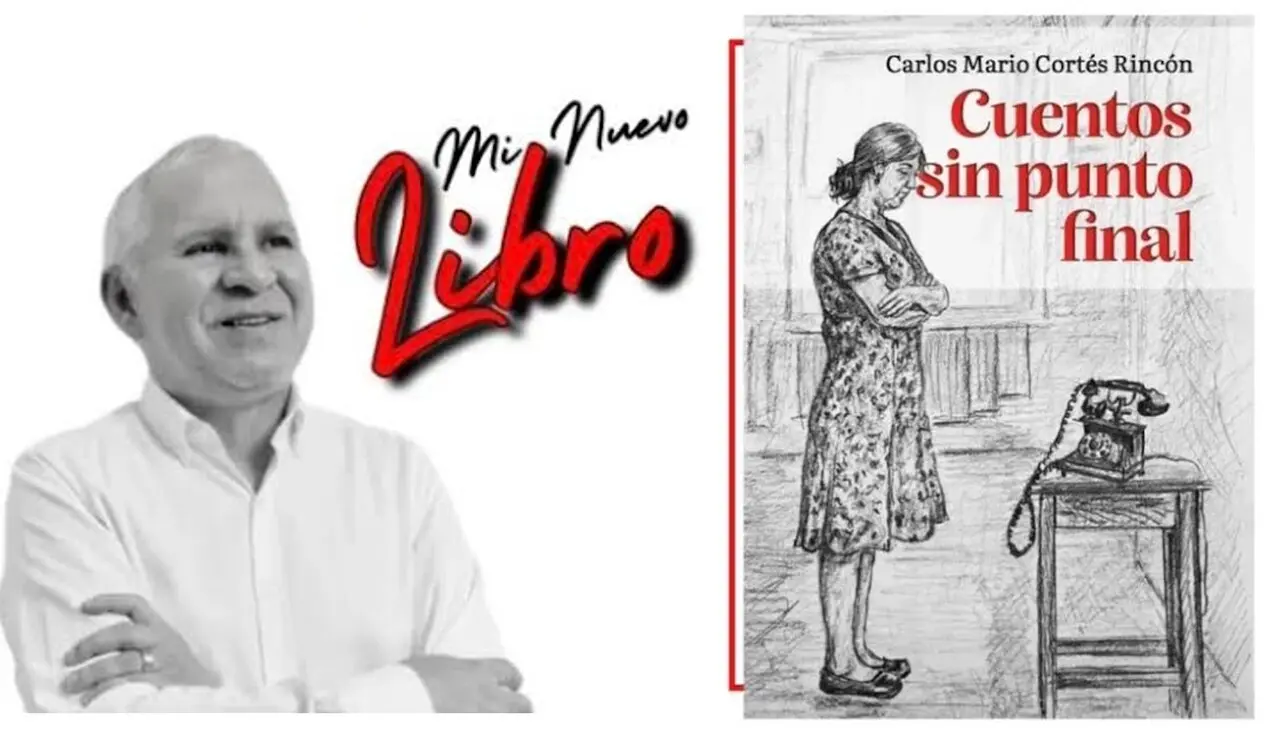
In an era characterized by an incessant deluge of information and an accelerated pace of life, the short story is reasserting its fundamental significance as the most elemental form of human narrative. Long before the advent of written language, humanity instinctively gathered around communal fires, their voices weaving tales to illuminate the darkness and forge shared understanding. This inherent human drive to connect through storytelling, the very essence of our species, is powerfully rekindled in the latest digital publication by renowned Antioquian writer Carlos Cortés. Launched this March, this collection of short stories aims to resonate with readers across Colombia and the broader Spanish-speaking world, offering a profound re-engagement with a literary form that predates recorded history.
The genesis of storytelling can be traced back to the earliest human societies, where oral traditions served as the primary vehicle for preserving history, transmitting cultural values, and exploring the complexities of the human condition. Anthropological evidence suggests that storytelling was integral to survival, facilitating the sharing of knowledge about hunting, navigation, and social customs. Myths and legends, passed down through generations, provided moral frameworks and explained the unexplainable, shaping collective identity and fostering a sense of community. This ancient lineage underscores the enduring power of the short story, a form that distills these fundamental human needs into concentrated narrative experiences.
A Craft of Precision: Beyond Brevity in the Short Story
Unlike the expansive canvas offered by the novel, which allows for intricate plot development, character arcs spanning years, and extensive world-building, the short story demands a different kind of mastery. It is, as Cortés posits, an exercise in "literary clockwork," a testament to the power of conciseness and impactful storytelling. This approach draws inspiration from timeless literary traditions, including the rich tapestry of tales found in One Thousand and One Nights and the enduring legacy of European folklore meticulously collected by the Brothers Grimm. These influential works demonstrate the genre’s remarkable adaptability, its capacity to evolve across centuries and cultural shifts while retaining its core essence. Cortés’s latest offering exemplifies this evolutionary trajectory, proving that the short story, far from being a relic of the past, remains a vibrant and dynamic literary form capable of addressing contemporary concerns with profound insight.
In the pages of Cortés’s collection, every word is deliberately placed, serving a specific narrative function. There is no room for extraneous detail or unnecessary digression. The emphasis is squarely on intensity and impact, on conveying a wealth of meaning within a limited scope. This is a conscious artistic choice that mirrors the very nature of existence itself; life, in its most distilled moments, is often a series of potent, unforgettable narratives. The short story, in its economical brilliance, compels readers to engage deeply with each sentence, to appreciate the artistry involved in crafting a powerful narrative arc within a confined space.
The Digital Age and the Resurgence of the Short Story
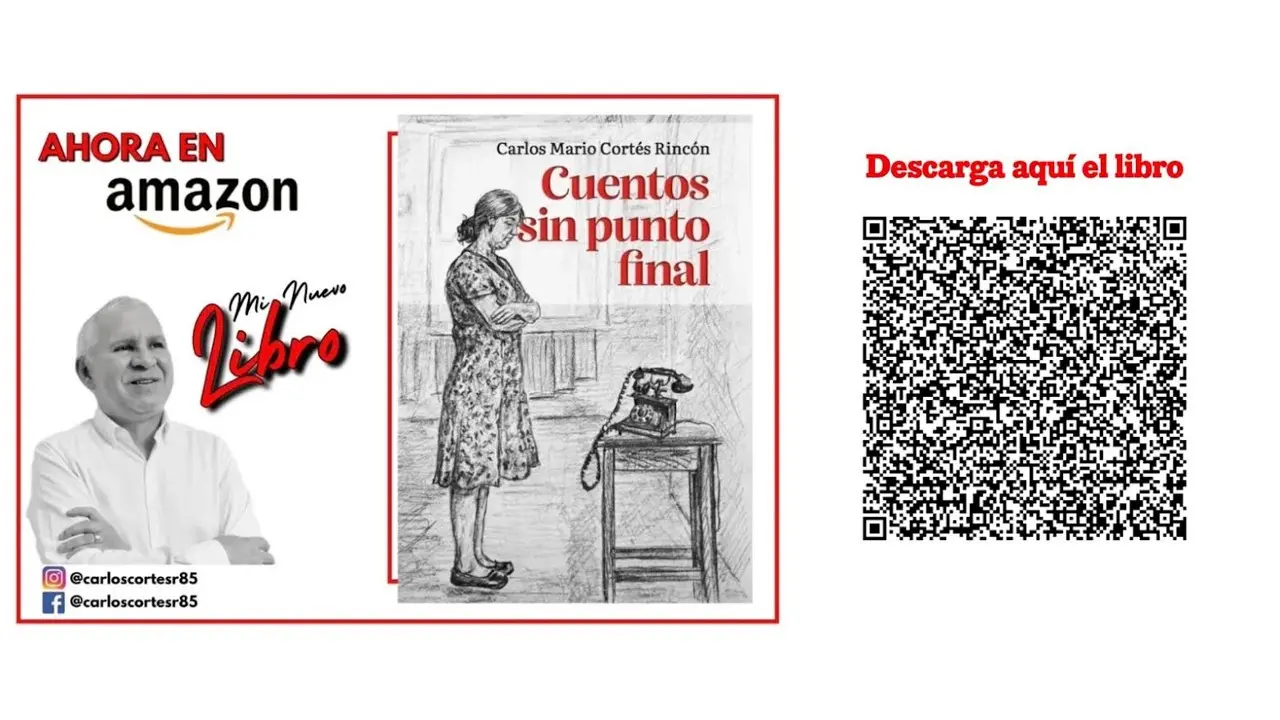
The decision to release this collection on digital platforms, specifically through Amazon, marks a strategic engagement with the contemporary literary landscape. In a world where e-readers and digital libraries are increasingly prevalent, this move ensures accessibility for a global audience. The availability of the book in multiple digital formats caters to diverse reader preferences and technological access, democratizing the reach of Cortés’s work. This digital strategy is not merely a matter of distribution; it reflects an understanding of how modern audiences consume literature and an acknowledgment of the short story’s particular suitability for digital engagement, where readers can readily immerse themselves in compact narratives during brief periods of leisure.
The timing of this release, in March, coincides with a broader cultural moment that often sees renewed emphasis on literature and the arts following the winter months. While specific data on short story sales trends in the digital realm are complex to isolate, general e-book sales have shown consistent growth, with genres that lend themselves to shorter reading times often performing well. The appeal of the short story lies in its ability to provide a complete narrative experience without requiring a significant time commitment, making it an ideal choice for busy readers.
A Call to Rediscover the Human Core of Storytelling
This latest publication by Carlos Cortés is more than just a collection of stories; it is an invitation to pause amidst the relentless demands of modern life. It is an encouragement to step away from the constant digital noise and the frenetic pace of daily routines and to reconnect with a fundamental aspect of our humanity: the innate desire to share and receive stories. Cortés, a familiar voice through his recurring columns, brings his seasoned perspective to this literary form, urging readers to rediscover the power and purity of narrative at its most elemental.
The implications of this release extend beyond the literary sphere. In an age where authentic connection can sometimes feel elusive, stories serve as vital bridges, fostering empathy and understanding. By championing the short story, Cortés is advocating for a form of communication that prioritizes depth of emotion, nuanced character portrayal, and evocative imagery over superficial engagement. This emphasis on quality over quantity in narrative aligns with a growing societal awareness of the need for more meaningful and less ephemeral forms of media consumption.
Background: The Enduring Power of Short Fiction
The short story as a literary form has a rich and varied history, evolving from ancient fables and parables to the sophisticated works of modern and contemporary authors. Edgar Allan Poe, a pioneer of the genre in the West, famously articulated the concept of the "single effect," where every element of a short story should contribute to a unified emotional or thematic impact. This principle of economy and focused intent continues to define the genre.
Historically, short fiction has served as a crucial incubator for literary innovation. Many celebrated novelists began their careers by honing their craft through short stories, using the form to experiment with voice, style, and subject matter before embarking on longer works. Furthermore, short stories have often been more readily adaptable to popular media, such as magazines and newspapers, making them accessible to a wider readership and influencing public discourse. The digital age has merely amplified this accessibility, allowing short stories to find new audiences on blogs, literary websites, and e-publishing platforms.
Analysis of Implications: Storytelling in the Digital Age
The digital distribution of Cortés’s short stories is a significant indicator of the evolving publishing industry. It signifies a move towards greater authorial control and direct reader engagement, bypassing traditional gatekeepers and reducing distribution costs. This democratizes the literary landscape, allowing diverse voices and niche genres to find their audience.
From a cultural perspective, the renewed focus on the short story can be interpreted as a response to the fragmentation of attention spans in the digital era. While some argue that digital media fosters superficial engagement, the short story offers a counterpoint, demanding sustained, albeit brief, immersion. It provides a concentrated dose of narrative artistry, capable of delivering profound emotional and intellectual impact without requiring an extensive time commitment. This makes it particularly well-suited for individuals seeking meaningful literary experiences that can be integrated into busy schedules.
Moreover, the emphasis on oral traditions and the "primal" nature of storytelling in Cortés’s work resonates with a contemporary yearning for authenticity and connection. In a world often perceived as increasingly artificial and detached, the act of storytelling, whether read or heard, taps into a deeply ingrained human need for shared experience and communal understanding. The short story, in its most potent form, facilitates this by creating intimate worlds and relatable characters that linger in the reader’s mind long after the final word.
Potential Reactions and Broader Impact
While direct statements from related parties are not available, it is reasonable to infer that literary critics and scholars will likely view Cortés’s return to the short story as a significant contribution to contemporary letters. His established reputation as a writer and columnist suggests that this collection will be met with considerable interest and critical attention. Readers who appreciate concise, impactful narratives are likely to embrace this offering, potentially rediscovering or developing a newfound appreciation for the genre.
The broader impact of such a release lies in its potential to re-energize the short story as a dominant literary form. By demonstrating its enduring relevance and artistic power, Cortés’s work can inspire other writers to explore the genre and encourage publishers to invest in short fiction. Furthermore, by making these stories accessible through digital platforms, he contributes to the ongoing conversation about the future of literature in an increasingly digital world, highlighting the ways in which ancient narrative forms can thrive in new technological environments.
The publication of Carlos Cortés’s latest collection of short stories marks a significant moment in contemporary literature, reaffirming the timeless power of narrative and its essential role in the human experience. As readers navigate the complexities of the digital age, this collection offers a compelling invitation to return to the roots of storytelling, where the most profound truths are often found in the most concise and artfully crafted tales.

0 Comments