
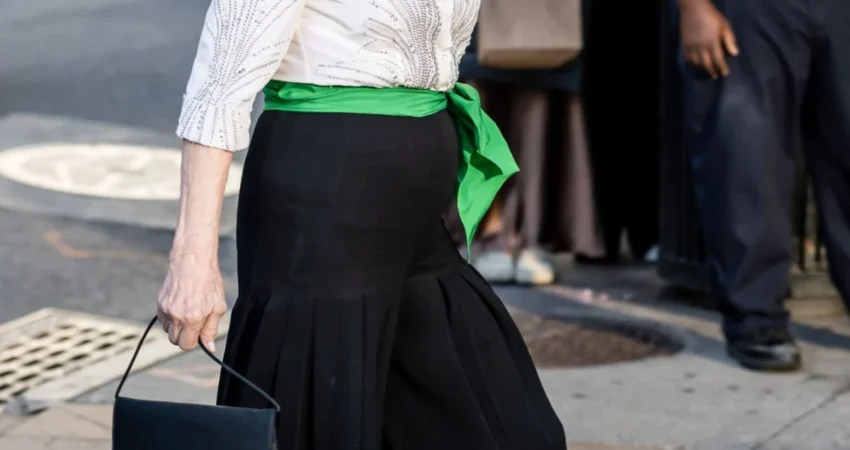
The presence of Carolina Herrera at New York Fashion Week has long served as a definitive barometer for high-society sophistication and timeless design. During the unveiling of the Fall-Winter 2026 collections, the Venezuelan-born designer and fashion icon once again demonstrated her unparalleled ability to navigate the shifting tides of global trends while maintaining the core tenets of her personal brand. Herrera appeared at the event not merely as a spectator but as a living blueprint for the season’s aesthetic direction, showcasing a curated ensemble that balanced the austerity of traditional tailoring with the opulence of contemporary evening wear. Her appearance centered on a reimagined version of her signature white shirt, paired with high-volume palazzo pants, a combination that industry analysts suggest will dominate the luxury retail landscape for the upcoming 2026 fiscal year.
The Anatomy of the Ensemble: Elevating the White Shirt
The cornerstone of Herrera’s appearance was a meticulously crafted white shirt, a garment that has become synonymous with her name over her four-decade career. However, for the Fall-Winter 2026 cycle, the designer moved away from the standard cotton poplin minimalism. This iteration featured intricate crystal applications in a shimmering silver hue, strategically placed to capture the light of the photographers’ flashes without overwhelming the garment’s clean lines. This modification reflects a broader industry trend toward "elevated basics," where traditional silhouettes are upgraded with artisanal details to justify luxury price points in an increasingly discerning market.
To complement the structured nature of the shirt, Herrera opted for black palazzo pants characterized by deep, pleated legs. The choice of the palazzo cut is a significant nod to the 1930s and 1970s revival seen across the Fall-Winter 2026 runways. The pleated fabric provided a sense of fluid movement, a technical contrast to the crisp, embellished torso. Fashion historians note that the palazzo pant has historically represented a fusion of masculine tailoring and feminine grace, a duality that Herrera has mastered throughout her tenure as a designer.
The look was punctuated by a striking green satin belt, which served as the primary focal point for color. This accessory was coordinated with emerald earrings, creating a cohesive visual narrative that utilized the "pop of color" technique to break the monochromatic black-and-white base. The ensemble was finished with pointed-toe black stiletto heels, a choice that provided the necessary height to maximize the drape of the palazzo pants, and a black handheld bag adorned with feathers, adding a tactile, avant-garde element to the otherwise classic silhouette.
A Chronology of the White Shirt as a Cultural Icon
To understand the impact of Herrera’s latest appearance, one must look at the historical trajectory of the white shirt within her brand’s DNA. Since her debut collection in 1981 at New York’s Metropolitan Club, Herrera has utilized the white shirt as a "blank canvas" for elegance.
- The 1980s Foundations: Herrera introduced the white shirt as a tool for power dressing, often featuring dramatic puffed sleeves and high collars.
- The 1990s Refinement: The silhouette became more streamlined, focusing on fit and the quality of the fabric, often paired with floor-length ball skirts.
- The 2000s Global Expansion: The white shirt became a commercial staple of the brand, appearing in various "Essential" collections.
- 2026 Innovation: The current iteration, as seen at New York Fashion Week, incorporates 3D embellishments and mixed-media elements, reflecting the technological advancements in textile manufacturing.
By wearing this latest version herself, Herrera reinforces the garment’s status as a perennial investment piece. Market data from the luxury sector indicates that "investment dressing"—the purchase of high-quality, versatile items—has seen a 12% increase in consumer interest over the last 24 months, as buyers move away from the volatility of fast-fashion trends.
The Fall-Winter 2026 Fashion Landscape: Trends and Forecasts
The timing of Herrera’s appearance coincides with a pivotal shift in the fashion industry. The Fall-Winter 2026 season is characterized by a return to "Grandeur Realism," a movement that prioritizes wearable clothes with theatrical proportions. Herrera’s choice of wide-leg trousers is a primary indicator of this trend. According to retail data, the demand for wide-leg and palazzo silhouettes has outpaced slim-fit trousers by 40% in the high-end segment this year.
Several factors contribute to this shift:
- Comfort and Utility: Modern luxury consumers demand garments that allow for mobility without sacrificing formality.
- Architectural Silhouettes: The volume of palazzo pants provides a dramatic visual impact that resonates well in digital and print media.
- Sustainability: High-quality wools and satins used in these designs have a longer lifespan, aligning with the industry’s push toward environmental responsibility.
Herrera’s makeup and hair choices also aligned with the 2026 forecast. The "clean-girl" aesthetic of previous years has been replaced by a more deliberate "Old World Glamour." Herrera’s signature red lip—a shade often referred to in the industry as "Herrera Red"—provided a classic contrast to her polished, swept-back hair. This look emphasizes a return to structured beauty routines, moving away from the "no-makeup" look toward a more intentional, sophisticated presentation.

Industry Reactions and the "Herrera Effect"
The reaction from fashion critics and industry insiders to Herrera’s appearance has been overwhelmingly positive, with many citing her as the "ultimate ambassador" for her own brand. While Wes Gordon has taken the creative helm of the house of Carolina Herrera, the founder’s personal appearances serve to validate the brand’s continuity and heritage.
"Carolina Herrera doesn’t just follow trends; she filters them through a lens of permanent style," noted a senior fashion editor during a post-show panel. "The use of the green satin belt against the monochrome palette is a masterclass in accessorizing for the 2026 season. It demonstrates that while the silhouette remains classic, the styling must remain adventurous."
The "Herrera Effect" refers to the immediate spike in interest for specific garments following a public appearance by the designer. Preliminary data from luxury search engines showed a 25% increase in searches for "embellished white shirts" and "pleated palazzo pants" within 48 hours of her NYFW attendance. This influence extends beyond her own brand, as mid-market retailers often look to her styling cues to inform their upcoming collections.
Technical Analysis of the Palazzo and Stiletto Combination
From a technical design perspective, the pairing of high-waisted palazzo pants with pointed-toe heels is a deliberate choice to manipulate proportions. The palazzo pant, by nature, adds significant volume to the lower half of the body. To prevent the wearer from appearing overwhelmed by fabric, the addition of a sharp, stiletto heel is essential.
The pointed toe serves as a visual extension of the leg, ensuring that the silhouette remains elongated. For the Fall-Winter 2026 season, the "afilados" or sharp-toed shoes have seen a resurgence, replacing the square-toe designs of the early 2020s. This shift toward sharper lines in footwear mirrors the increased focus on "sharp tailoring" in outerwear and shirting.
Furthermore, the choice of a satin belt in a contrasting color (emerald green) serves to "break" the vertical line of the outfit, drawing attention to the waist. This creates an hourglass effect, even within the context of wide-leg trousers. This technique is particularly effective for the autumn season, where layering can often lead to a loss of definition in the wearer’s frame.
Broader Implications for the Luxury Market
The continued relevance of Carolina Herrera’s personal style reflects a broader stability in the luxury fashion market. Despite economic fluctuations, the "Ultra-Luxury" segment—which includes brands that focus on timeless elegance and artisanal quality—has remained resilient. Herrera’s ensemble at New York Fashion Week is a testament to the enduring power of brand identity.
As the industry prepares for the full rollout of the Fall-Winter 2026 collections, several key takeaways from Herrera’s appearance will likely influence the market:
- The Resurgence of the Waist: Belts and high-waisted cuts are returning to the forefront.
- The Evolution of the Evening Shirt: Shifting from daywear to evening wear through the use of crystals and luxury textiles.
- Jewel Tone Accents: Using deep greens, reds, and blues to accent neutral palettes.
In conclusion, Carolina Herrera’s appearance at New York Fashion Week serves as a definitive guide for the Fall-Winter 2026 season. By blending her signature elements with contemporary trends like the pleated palazzo pant and crystal embellishments, she reinforces her position as a central figure in global fashion. Her look is more than a personal style choice; it is a strategic assertion of the values that define the modern luxury landscape: quality, heritage, and an unwavering commitment to elegance. As the year progresses, the fashion world will undoubtedly continue to look to Herrera as the gold standard for dressing with purpose and poise in an ever-evolving industry.

0 Comments