
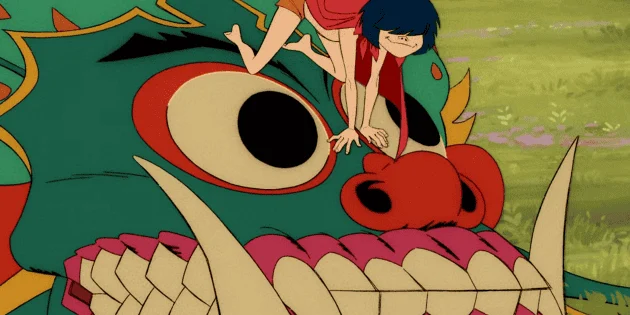
The globally acclaimed virtual British band Gorillaz made a significant artistic statement on Friday, February 27, by releasing an animated short film titled "The Mountain, The Moon Cave and The Sad God" on their official YouTube channel. This meticulously crafted visual narrative serves as a celebratory prelude to the debut of their ninth studio album, "The Mountain," simultaneously signaling the commencement of their highly anticipated new world tour. The release underscores Gorillaz’s continued commitment to immersive storytelling, blending their signature musical innovation with a rich, expansive visual universe that has captivated audiences for over two decades.
An Odyssey in Traditional Animation: "The Mountain, The Moon Cave and The Sad God"
The eight-minute animated feature is a testament to the enduring power of classic animation techniques, a deliberate choice in an era increasingly dominated by digital rendering and artificial intelligence. Directed by Jamie Hewlett, the band’s visionary co-creator and renowned artist, in collaboration with the esteemed London-based animation studio The Line, the short film plunges viewers into a vivid, hand-drawn adventure. It depicts the virtual band members—Noodle, Murdoc Niccals, 2D, and Russel Hobbs—embarking on a perilous yet whimsical journey. Their quest leads them through dense jungles, across formidable mountain ranges, and into the depths of unforgiving caves, all rendered with an aesthetic reminiscent of mid-20th-century animated classics.
The narrative unfolds as the four distinct characters initiate their pilgrimage toward India, having successfully arrived in Mumbai through the clever use of four forged passports. This exotic setting provides the backdrop for an exploration of the core thematic elements woven throughout "The Mountain" album: profound spirituality, the elusive nature of creative inspiration, and an ardent search for what the band refers to as "magic rhythms." The visual journey is not merely a promotional piece but an integral component of the album’s conceptual framework, offering a visual exposition to the auditory experience.
Jamie Hewlett’s Artistic Direction and the Analog Revival
Jamie Hewlett’s direction for "The Mountain, The Moon Cave and The Sad God" is a deliberate homage to the golden age of animation, drawing particular inspiration from the visual aesthetics and narrative structures of classic animated films from the 1960s, such as Disney’s "101 Dalmatians" (1961). This stylistic choice represents a conscious pivot towards traditional, artisanal animation methods, positioning the project in direct contrast to the mass-produced digital animations that are ubiquitous in contemporary media. The film champions hand-drawn techniques, organic textures, and fluid, natural movements, imbuing the animation with a warmth and tactile quality often absent in purely digital productions.
A prominent and striking allusion within the short film is its strong visual and narrative parallel to Disney’s "The Jungle Book," released in 1967 and famously based on Rudyard Kipling’s timeless tales. Much like Mowgli, the feral child navigating the wilderness in search of his place in the world alongside companions like the panther Bagheera and the bear Baloo, Gorillaz’s characters traverse a wild, untamed landscape. This deliberate echoing of "The Jungle Book" reinforces themes of self-discovery, survival, and the profound connection between humanity and nature, aligning perfectly with the spiritual and exploratory undertones of "The Mountain" album.
Hewlett, in an interview with BBC Radio 2, articulated the film’s purpose, stating that it offers "a condensed explanation about what is sung on the record, which is essentially the story of life." This statement encapsulates the ambitious scope of both the short film and the accompanying album, suggesting a profound philosophical exploration beneath the surface of the animated adventure. The narrative masterfully blends mystical creatures, lush, vibrant landscapes, and raw, untamed nature, coalescing into a reflective and authentically artistic piece that encourages introspection.
The production timeline for "The Mountain, The Moon Cave and The Sad God" was extensive, reportedly spanning approximately 18 months and accumulating thousands of hours of dedicated effort. This considerable investment of time and resources highlights the intricate, labor-intensive nature of traditional animation. Crucially, the creative process spearheaded by Damon Albarn (the musical mastermind) and Jamie Hewlett was almost entirely analog, consciously eschewing digital tools and embracing hand illustration over the automation offered by artificial intelligence. This stance is not merely an artistic preference but a profound statement in the evolving discourse surrounding technology’s role in creative industries, advocating for the irreplaceable value of human touch and traditional craftsmanship.
"The Mountain": A New Sonic and Visual Epoch
"The Mountain" marks Gorillaz’s ninth studio album, following a prolific discography that has consistently pushed the boundaries of genre and artistic expression. Each album cycle for Gorillaz is more than just a collection of songs; it’s an immersive multimedia experience, complete with evolving character narratives, intricate lore, and groundbreaking visual content. "The Mountain" is no exception, with "The Mountain, The Moon Cave and The Sad God" serving as the foundational visual narrative for this new era.
The album itself is anticipated to delve into themes of self-discovery, environmental consciousness, and the search for meaning in a complex world, all seen through the unique lens of Gorillaz’s virtual personas. The band’s musical style, known for its eclectic fusion of alternative rock, hip hop, electronica, trip-hop, and world music, is expected to continue its evolution, incorporating new influences and collaborators while retaining its distinctive sound. The journey depicted in the short film—through diverse landscapes and spiritual quests—directly mirrors the sonic landscape of the album, suggesting a rich tapestry of sounds inspired by global cultures and inner introspection.
The global tour accompanying "The Mountain" is poised to integrate these new visual elements seamlessly, promising fans an unparalleled live experience. Gorillaz’s concerts are legendary for their innovative use of animation, holograms, and dynamic stage presence, often blurring the lines between the virtual and real. The aesthetic established in "The Mountain, The Moon Cave and The Sad God" will undoubtedly inform the visual direction of the tour, creating a cohesive and expansive artistic universe for audiences worldwide.
The Enduring Legacy of Gorillaz: Pioneers of the Virtual Band Concept
Gorillaz, conceived in 1998 by musician Damon Albarn (Blur, The Good, the Bad & the Queen) and artist Jamie Hewlett (Tank Girl), emerged as a revolutionary concept in the music industry. The idea of a "virtual band" comprising four animated members—2D (vocals, keyboards), Murdoc Niccals (bass), Noodle (guitar, keyboards), and Russel Hobbs (drums)—was unprecedented. Their self-titled debut album in 2001 was a commercial and critical success, establishing them not just as a musical act but as a multimedia phenomenon.
Throughout their career, Gorillaz has consistently redefined how music is consumed and experienced. Each of their previous albums, including "Demon Days" (2005), "Plastic Beach" (2010), and "Humanz" (2017), has been accompanied by a meticulously developed narrative, a distinctive visual aesthetic, and a wealth of supplementary content, from animated music videos and web series to interactive websites and graphic novels. This consistent commitment to world-building has cultivated an exceptionally loyal and engaged fanbase, eager to delve deeper into the lore of their virtual heroes.
The release of "The Mountain, The Moon Cave and The Sad God" stands as a continuation of this rich tradition, yet also marks a new stylistic direction. While Gorillaz has always embraced animation, the overt return to hand-drawn, analog techniques for such a significant release is a powerful artistic statement. It reinforces their identity as innovators who are not afraid to challenge prevailing trends and champion artistic integrity over technological expediency.
Cultural and Industry Implications: A Nod to the Past, a Vision for the Future
The decision by Gorillaz and Jamie Hewlett to produce "The Mountain, The Moon Cave and The Sad God" using traditional, hand-drawn animation carries significant cultural and industry implications. In an era where digital animation is the standard and artificial intelligence is increasingly being explored for content generation, this project serves as a high-profile affirmation of the enduring value and unique aesthetic of classic animation. It suggests a potential resurgence of interest in these methods, reminding audiences and creators alike of the warmth, character, and artistic depth that hand-crafted visuals can offer.
For the animation industry, it provides a prominent example of how traditional techniques can be leveraged to create compelling, contemporary narratives. For the music industry, Gorillaz continues to set a benchmark for multimedia engagement, demonstrating how music and visual art can converge to create a holistic, immersive experience that transcends mere audio consumption. Their approach encourages other artists to think beyond conventional album releases and explore innovative ways to tell their stories.
Furthermore, the explicit rejection of AI automation in the creative process by Albarn and Hewlett aligns with a growing sentiment among artists and creators who advocate for the protection of human artistry and the ethical implications of AI in creative fields. This stance positions Gorillaz not just as entertainers but as thought leaders in the ongoing dialogue about art, technology, and authenticity.
In conclusion, "The Mountain, The Moon Cave and The Sad God" is more than just a promotional short film; it is a meticulously crafted piece of art that deepens the rich lore of Gorillaz, sets the stage for their ninth studio album, and makes a profound statement about artistic values in the digital age. By embracing traditional animation and embarking on a journey of spiritual and creative discovery, Gorillaz once again asserts their position as pioneers at the intersection of music, art, and technology, continuing to challenge conventions and inspire generations of fans and creators alike.

0 Comments