
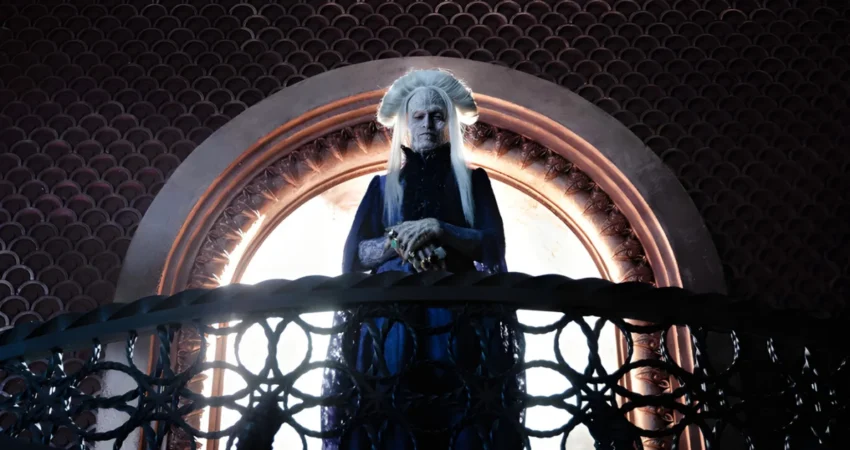
The cinematic landscape has long been haunted by the shadow of the count, yet few iterations have sparked as much debate as Luc Besson’s latest venture into the macabre. Titled Dracula: A Love Tale, the 2025 film marks a significant departure for the French filmmaker, known primarily for high-octane science fiction and stylized action such as The Fifth Element and Lucy. This production attempts a precarious balancing act: maintaining a rigid adherence to the narrative pillars of Bram Stoker’s 1897 novel while simultaneously injecting a sprawling, centuries-spanning romantic melodrama that challenges traditional horror conventions. Despite a polarizing reception from professional critics, the film has emerged as a significant talking point in the streaming era, particularly following its debut on Prime Video, where audience metrics suggest a much warmer reception than initial reviews indicated.
The Vision of Luc Besson and the Genesis of the Project
Luc Besson’s foray into the gothic genre comes at a pivotal moment in his career. After years of navigating legal complexities and the fluctuating fortunes of his production company, EuropaCorp, Besson returned to the director’s chair with a desire to explore the emotional core of one of literature’s most enduring figures. Dracula: A Love Tale was envisioned not merely as a horror film, but as a historical epic that traces the degradation of a soul.
The production, which utilized large-scale sets and a distinctive European aesthetic, sought to distance itself from the "superhero-adjacent" vampire tropes that have dominated Hollywood for the last two decades. Instead, Besson looked back to the 19th-century roots of the character, focusing on the intersection of faith, grief, and immortality. Industry insiders report that the film’s budget was managed with a focus on practical effects and elaborate costume design, aiming for a "tactile" feel that mirrors the Victorian setting of the source material.
Narrative Structure: Between Historical Fact and Gothic Fiction
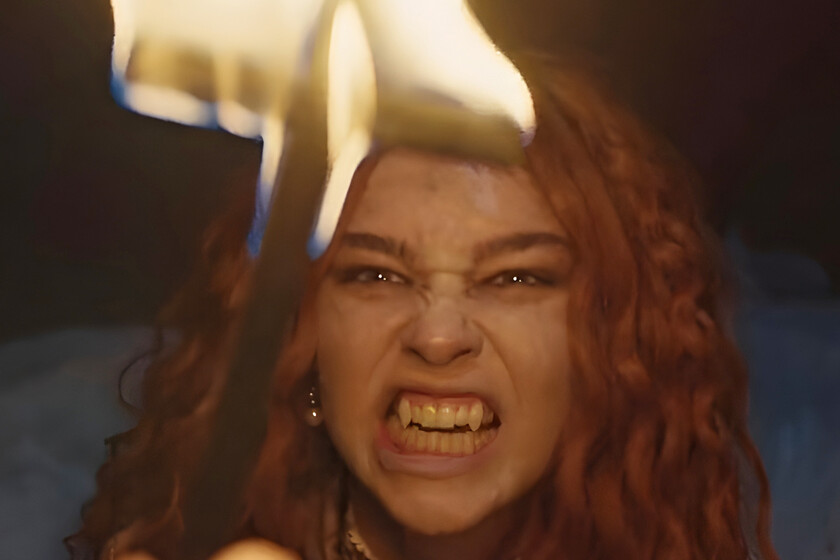
The film’s narrative architecture begins in the 15th century, grounding the supernatural elements in the historical reality of Vlad III, also known as Vlad the Impaler. The prologue depicts the war against the Ottoman Empire and the subsequent tragedy that claims the life of Vlad’s wife, Elisabeta. This sequence serves as the emotional catalyst for the protagonist’s renunciation of God and his descent into vampirism.
While this origin story draws heavy inspiration from Francis Ford Coppola’s 1992 adaptation, Bram Stoker’s Dracula, Besson expands the timeline. The film follows the Count through the intervening centuries, illustrating his isolation and the hardening of his heart as he fails to find a replacement for his lost love. This "missing time" serves as the director’s primary creative liberty, allowing for a study of character that is often skipped in more traditional adaptations that jump straight from the 1400s to the 1890s.
Once the film transitions into the 19th century, it aligns more closely with the Stoker text. Key figures such as Jonathan Harker, the young solicitor who travels to the Carpathians, and Mina Murray, the object of Dracula’s obsession, are reintroduced with a focus on their original literary characterizations. Unlike many modern versions that relegate Abraham Van Helsing to a minor role or turn him into an action hero, Besson’s film treats the professor as a grounded intellectual and theological adversary, staying true to the epistolary novel’s intellectual rigors.
A Chronology of the Dracula Legacy on Screen
To understand the significance of Besson’s 2025 contribution, it is essential to view it within the broader timeline of Dracula’s cinematic evolution. The character has undergone numerous transformations, each reflecting the anxieties of its era:

- 1922: Nosferatu (F.W. Murnau): An unauthorized adaptation that introduced the vampire as a plague-bearing, rat-like creature, emphasizing the "Other" and the fear of disease.
- 1931: Dracula (Tod Browning): Starring Bela Lugosi, this version established the Count as a sophisticated, aristocratic seducer, a template that would persist for decades.
- 1958: Horror of Dracula (Terence Fisher): Christopher Lee brought a visceral, aggressive physicality to the role, introducing blood and sexuality to the mainstream Hammer Horror audience.
- 1992: Bram Stoker’s Dracula (Francis Ford Coppola): This version pioneered the "reincarnated love" subplot, which Besson has now expanded upon.
- 2014-2023: The Modern Era: Films like Dracula Untold and The Last Voyage of the Demeter attempted to turn the property into action franchises or isolated horror scenarios, with varying degrees of success.
- 2025: Dracula: A Love Tale (Luc Besson): A return to the romantic-melodramatic roots, prioritizing the internal emotional life of the vampire over traditional scares.
The Critical-Audience Divide: Analyzing the Data
The reception of Dracula: A Love Tale has become a case study in the divergence between professional film criticism and general audience sentiment. On the review aggregator Rotten Tomatoes, the film currently holds a "Rotten" rating of 54% from critics. Common grievances cited in professional reviews include an "uneven tone," a "pacing that fluctuates between lethargic and frantic," and a "perplexing mix of genres" that includes elements of fantasy and even unintentional comedy.
However, the audience score tells a different story, sitting at a robust 82%. Data analysis suggests that viewers are responding positively to the film’s visual splendor and its willingness to be "unabashedly earnest." In an era dominated by self-referential irony and "elevated horror," Besson’s straightforward, high-drama approach has resonated with those looking for a traditional gothic experience.
Market analysts note that this "critic-proof" performance is becoming more common with established intellectual properties. When a film remains faithful to the core beats of a beloved book—such as the inclusion of the Maria/Lucy hybrid character and the specific details of the Transylvanian journey—fans of the source material are often willing to overlook stylistic eccentricities that might alienate a professional reviewer.
Performance and Casting Choices
The success of any Dracula adaptation rests on the shoulders of its lead. For this iteration, Caleb Landry Jones was cast as the Count. Known for his intense, transformative performances in films like Nitram and Dogman, Jones brings a nervous, erratic energy to the role that contrasts with the suave portrayals of the past. His Dracula is a creature of immense suffering, whose monstrous acts are presented as the byproduct of a shattered psyche rather than simple malice.
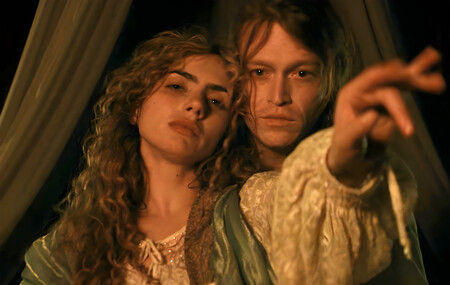
The supporting cast, including Matilda De Angelis as the dual roles of Elisabeta and Mina, provides the necessary emotional anchor. De Angelis’s performance has been highlighted by audiences as a standout, successfully navigating the transition from a 15th-century noblewoman to a 19th-century Victorian protagonist. The chemistry between the leads is central to the film’s "Love Tale" subtitle, justifying the melodrama that critics found excessive but audiences found compelling.
Technical Execution and Aesthetic Language
Besson has always been a filmmaker of "images first." In Dracula: A Love Tale, the cinematography by Thierry Arbogast (a frequent Besson collaborator) utilizes a rich color palette that shifts from the cold, blue-tinted mountains of Transylvania to the warm, amber-hued interiors of London. The film’s visual language is designed to evoke the Romanticism of the 19th century, with heavy influences from painters like Caspar David Friedrich.
The score also plays a vital role in bridging the gap between the film’s disparate tones. By utilizing a mix of classical choral arrangements and modern atmospheric synths, the music underscores the "centuries-traveling" nature of the protagonist. This auditory landscape helps the audience transition through the film’s ambitious jumps in time and location.
Broader Implications for the Genre and Industry
The release of Dracula (2025) on Prime Video highlights the shifting distribution models for mid-to-high-budget European productions. While the film saw a limited theatrical release in certain territories, its primary impact has been felt in the streaming space. This reflects a growing trend where "riskier" auteur-driven takes on classic monsters find a more sustainable home on digital platforms rather than in the competitive theatrical summer blockbuster window.

Furthermore, the film’s success with audiences suggests a fatigue with the "deconstruction" of classic monsters. By returning to the melodrama of the 1897 novel, Besson has tapped into a desire for sincerity in storytelling. While the film may not be the "brutal, bloody horror" some expected based on the character’s reputation, its commitment to the "Love Tale" aspect of the mythos has allowed it to stand out in a crowded market.
Conclusion: A Misunderstood Masterpiece or a Flawed Experiment?
As Dracula: A Love Tale continues to circulate on global streaming platforms, its reputation is likely to evolve. It sits in a unique position: it is perhaps the most faithful adaptation of Stoker’s narrative structure since 1992, yet it is also one of the most stylistically eccentric.
For the film industry, the lesson of Besson’s Dracula is one of persistence. Despite critical panning, the film’s ability to capture the audience’s imagination through high production values and emotional resonance proves that the Count remains as relevant as ever. Whether viewed as an underrated gem or a flawed experiment, the film ensures that the legend of Dracula will continue to be reinvented for new generations, forever caught between the pages of the past and the visions of the future. For now, viewers can judge for themselves on Prime Video, where the Count’s latest search for eternal love continues to draw millions of eyes.

0 Comments