
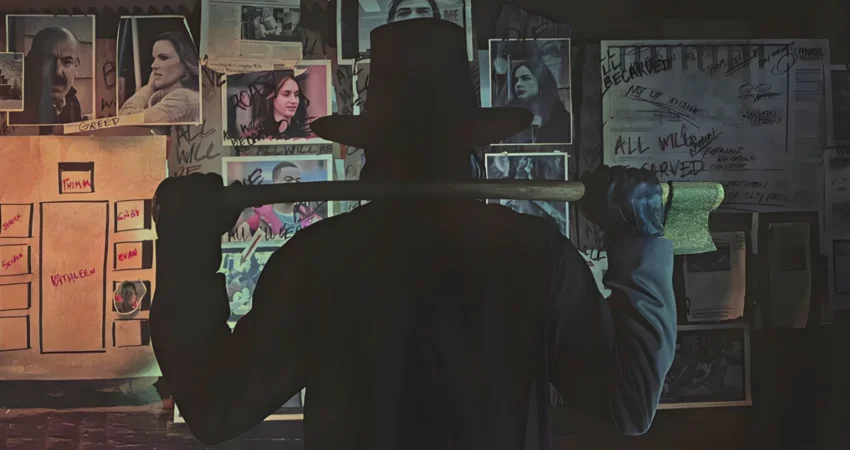
The cinematic landscape of 2024 continues to be defined by the enduring popularity of the slasher subgenre, a trend solidified by the recent streaming debut of Eli Roth’s Thanksgiving. Originally conceived as a parody trailer for the 2007 Quentin Tarantino and Robert Rodriguez double feature Grindhouse, the film has transitioned from a niche fan favorite to a commercial juggernaut. Following its theatrical run, the production has secured the number one position on Netflix’s global charts, demonstrating a robust appetite for high-concept, violent horror that balances traditional tropes with modern social commentary. The film’s success is not merely a localized phenomenon; it represents a significant return on investment for TriStar Pictures and Spyglass Media Group, having grossed over $46 million worldwide against a modest $15 million production budget.
The Genesis of a Modern Slasher: From Fake Trailer to Feature Film
The journey of Thanksgiving to the silver screen is one of the most unique development stories in modern horror history. In 2007, as part of the Grindhouse theatrical experience, Eli Roth directed a faux trailer that captured the essence of 1980s holiday-themed slashers such as Halloween and My Bloody Valentine. For over fifteen years, horror enthusiasts lobbied for a full-length adaptation, though the project remained in development hell as Roth focused on other ventures, including the Hostel franchise and The Green Inferno.
The transition from a two-minute parody to a 106-minute feature required a complete overhaul of the narrative while maintaining the "splatter" aesthetic that Roth is known for. Along with screenwriter Jeff Rendell, Roth updated the setting to contemporary Plymouth, Massachusetts—the historical birthplace of the holiday. The decision to ground the film in a modern setting allowed the creators to pivot from mere parody to a scathing critique of American consumerism, specifically the chaos associated with Black Friday sales. This thematic shift provided the necessary narrative weight to sustain a feature-length runtime, moving beyond the "kill-of-the-week" structure typical of the genre.

Narrative Framework and the Black Friday Catalyst
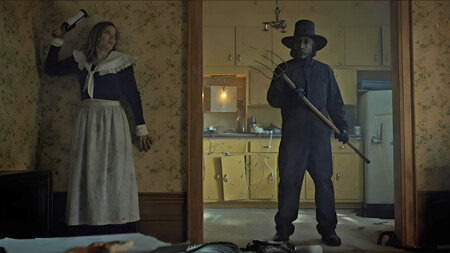
The plot of Thanksgiving is ignited by a tragic incident during a Black Friday "Right to Riot" sale at a local big-box store. The sequence, which has been praised by critics for its visceral intensity and technical choreography, depicts a crowd surge that results in multiple gruesome deaths. This event serves as the moral foundation for the film’s antagonist, a masked killer donning the likeness of John Carver, the first governor of the Plymouth Colony.
One year after the tragedy, the killer begins a systematic campaign of vengeance against those deemed responsible for the stampede, including the store’s owner, neglectful security staff, and opportunistic teenagers. The film utilizes the "whodunnit" structure popularized by the Scream franchise, keeping the audience engaged in a mystery while delivering the graphic practical effects that are a hallmark of Eli Roth’s filmography. By intertwining historical iconography with modern corporate greed, the film carves out a distinct identity in a crowded market of supernatural and psychological horror offerings.
Statistical Analysis of Commercial and Critical Performance
The financial trajectory of Thanksgiving provides a compelling case study in the profitability of mid-budget horror. In an era where major studios often struggle with ballooning budgets exceeding $200 million, Thanksgiving’s $15 million price tag allowed for a low bar for profitability. Its $46.5 million global box office haul represents a triple return on investment, a feat that many high-profile blockbusters failed to achieve in the same calendar year.
Critically, the film has outperformed many of its contemporary peers. On the review aggregator Rotten Tomatoes, Thanksgiving maintains a critical approval rating of 83%, a notably high score for a film characterized by extreme violence and slasher tropes. Analysts attribute this success to several key factors:

- Genre Purity: The film does not attempt to "elevate" the horror genre through convoluted metaphors; instead, it leans into the "slasher" identity with precision and high production values.
- Casting Strategy: The inclusion of Patrick Dempsey (Grey’s Anatomy) provided a level of prestige and cross-demographic appeal, while TikTok star Addison Rae helped secure the interest of Gen Z viewers.
- Critical Timing: Releasing the film during the November corridor allowed the production to capitalize on the holiday theme, a strategy that has now been replicated with its arrival on Netflix.
Industry Reactions and the Strategic Move to Streaming
The arrival of Thanksgiving on Netflix has triggered a second wave of cultural relevance. Within 48 hours of its release, the film climbed to the top of the "Most Watched" list in multiple territories, including Mexico and the United States. This performance underscores the symbiotic relationship between theatrical releases and streaming platforms. For a film like Thanksgiving, which built a strong word-of-mouth reputation during its theatrical window, the streaming debut acts as a victory lap that expands the franchise’s footprint.
Industry insiders have noted that the film’s success on Netflix is a testament to the "long tail" of horror content. Unlike romantic comedies or dramas, which may see a sharp decline in interest after their initial release, horror films often maintain high engagement levels as they become "staple" viewing for genre fans. The high viewership numbers have already prompted Sony Pictures to greenlight a sequel, Thanksgiving 2, which is currently slated for a 2025 release. Eli Roth confirmed the news via social media, stating that the creative team is looking to "outdo" the kills and the tension of the original, further cementing John Carver as a new icon in the horror pantheon.
Contextualizing Thanksgiving Within the Slasher Renaissance
To understand the impact of Thanksgiving, one must look at the broader resurgence of the slasher genre over the last five years. Following the success of the Halloween (2018) reboot and the relaunch of the Scream franchise, audiences have shown a renewed interest in "masked killer" narratives. However, Thanksgiving differs from these franchises by being an original property rather than a legacy sequel.
While Scream relies on "meta-commentary" about film tropes and Halloween focuses on the trauma of its protagonist, Thanksgiving focuses on the collective guilt of a community. The film’s focus on social media—specifically how the characters are "tagged" in the killer’s posts—modernizes the slasher format for a digitally native audience. This integration of technology into the horror framework is a significant factor in why the film has resonated so strongly on streaming platforms, where viewers are simultaneously engaging with the content on their second screens.
Broader Implications for the Future of Mid-Budget Horror
The success of Thanksgiving sends a clear signal to Hollywood: there is a massive, underserved market for R-rated horror films that prioritize practical effects and straightforward storytelling. The film’s ability to dominate Netflix rankings suggests that audiences are seeking "event" horror that provides a visceral experience.
Furthermore, the film’s performance highlights the importance of the "holiday horror" niche. For decades, Halloween and Christmas have been the primary settings for horror films. By claiming Thanksgiving, Roth has successfully monopolized a previously underutilized timeframe in the cinematic calendar. This "seasonal branding" is a powerful marketing tool that ensures the film will likely be revisited by audiences every November, creating a recurring revenue stream for the rights holders.
As the industry moves forward, the "Thanksgiving model"—a fake trailer turned into a low-budget, high-concept feature with a mix of veteran actors and social media influencers—is likely to be emulated. The film stands as a reminder that in the world of cinema, sometimes the most "simple" stories, executed with technical proficiency and an understanding of the audience’s desires, are the ones that leave the most lasting impact.
With a sequel already in pre-production and a growing fan base on streaming, Thanksgiving has transitioned from a decade-old joke into a cornerstone of modern horror. Its current status as the top-rated film on Netflix is not just a fleeting moment of popularity, but the culmination of a deliberate, long-term strategy to revitalize the slasher genre for a new generation of viewers. For Eli Roth, the film represents a career-defining success that proves his "splat-stick" sensibilities still have a place in the mainstream consciousness. For the audience, it is a bloody, entertaining reminder that in the world of horror, the most dangerous thing isn’t the killer in the mask—it’s the greed of the people around us.

0 Comments