
 Raisa Andriana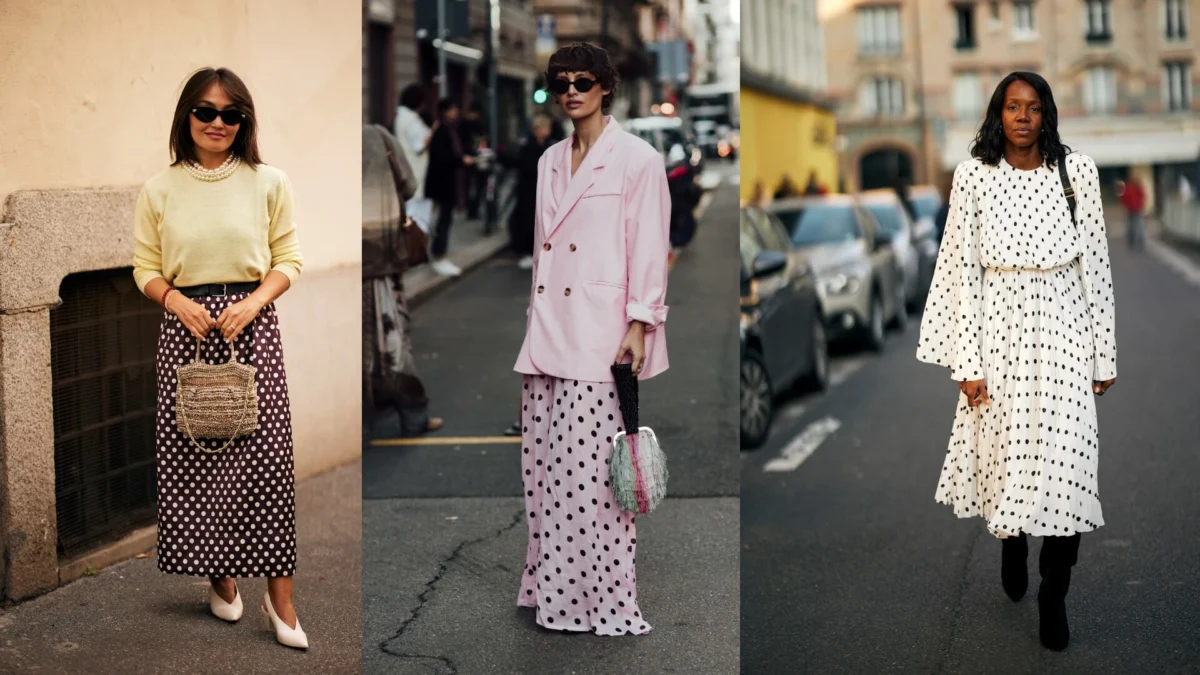
The Cultural Significance of the Spring Wardrobe in Spain
In the Spanish retail sector, the months of March and April represent a critical peak in consumer spending, driven largely by the social requirements of religious and regional festivities. Semana Santa, characterized by its solemnity and formal dress codes, demands an aesthetic of understated elegance. Conversely, the Feria de Abril in Seville celebrates exuberant femininity, where the polka dot serves as a visual shorthand for flamenco heritage.

Fashion analysts observe that the 2026 collections have moved away from the literal interpretations of regional costumes, opting instead for versatile pieces that bridge the gap between tradition and contemporary street style. This "trans-seasonal" approach allows consumers to invest in garments that function effectively during a solemn procession in Málaga and a festive evening in a Seville caseta, while remaining relevant for the remainder of the summer season.
Analysis of the 2026 Polka Dot Trend
The Spring-Summer 2026 runways in Paris and Madrid previously signaled a return to "New Romanticism," where prints like polka dots provide a sense of nostalgic stability in an increasingly digital world. Data from market intelligence firms suggest a 15% increase in searches for "geometric prints" and "retro patterns" compared to the same period in 2025. The current iteration of the trend focuses on fluid fabrics—satin, linen, and pleated georgette—that prioritize movement and breathability, essential for the rising temperatures of the Mediterranean spring.

1. Zara: The Asymmetric Satin Evolution
Leading the high-street sector, Zara has introduced a mid-rise, asymmetric satin skirt that exemplifies the 2026 preference for "dynamic silhouettes." Priced at 22.95 euros, this garment utilizes an elastic waistband to combine comfort with a high-fashion aesthetic. The asymmetry provides a modern edge to the classic print, making it a primary choice for younger demographics who seek to honor tradition without appearing dated. Industry experts note that Zara’s ability to mass-produce high-quality satin finishes has significantly lowered the entry barrier for luxury-look occasion wear.
2. Sézane: French Sophistication in the Spanish Context
The French label Sézane has successfully captured a segment of the Spanish market by offering a long, flared skirt that emphasizes fluid movement. At 145 euros, this piece represents the "slow fashion" movement, utilizing a beige-on-black palette that offers a more muted, sophisticated alternative to the high-contrast white-and-black tradition. The flared hem is designed to interact with the wearer’s gait, a feature highly valued for the long walks associated with the Seville Fair grounds.

3. Coosy: The Architecture of the A-Line
Coosy, a brand synonymous with Spanish guest-wear excellence, has released the "Renzo" skirt. Retailing at 95 euros, this high-waisted, A-line silhouette features a gathered waist that caters to a more formal "lady-like" aesthetic. The use of lightweight fabric ensures that the volume of the skirt does not compromise the wearer’s comfort in the Andalusian heat. Analysts point to Coosy as a leader in the "accessible luxury" tier, often being the brand of choice for middle-market consumers attending official Holy Week events.
4. Mango: Natural Fibers and Functional Elegance
Mango’s contribution to the trend focuses on materiality. Their 39.99 euro linen-blend skirt with a matching belt aligns with the industry’s broader move toward natural fibers. Linen, known for its thermal regulation, is particularly suited for the climate of Southern Spain in late April. By incorporating a belt, Mango provides a structural element that allows the skirt to transition from a casual daytime look to a more polished evening ensemble when paired with asymmetrical tops—a key styling trend for the SS26 season.

5. Polín et moi: The Rise of Earth Tones and Pleats
Departing from the monochrome standard, Polín et moi has introduced a fluid, pleated midi skirt in shades of brown and ecru. Priced at 49.95 euros, this garment reflects a shift toward "earthy minimalism." The pleated texture adds a layer of visual complexity that hides wrinkles—a practical benefit for those spending entire days at the fairgrounds. This choice of color palette suggests a move toward a more "organic" version of the polka dot trend, appealing to consumers who prefer a softer, more tonal appearance.
6. Bimba y Lola: Avant-Garde Texture
Bimba y Lola, known for its contemporary and often irreverent take on classics, offers a pleated midi skirt with gathered hip details for 165 euros. This design is specifically engineered to stylize the figure, using the gathering to create a focal point that breaks up the uniformity of the print. It is a sophisticated option that targets the fashion-forward consumer, blending the "watercolor dots" concept with structural innovation.

Economic Impact and Retail Timeline
The release of these collections in mid-March is strategically timed to coincide with the "pre-event" shopping window. Retail data indicates that 60% of occasion-wear purchases for the spring festivities occur in the three weeks leading up to Palm Sunday.
| Brand | Price Point | Primary Material | Target Aesthetic |
|---|---|---|---|
| Zara | €22.95 | Satin | Trend-focused / Affordable |
| Mango | €39.99 | Linen | Practical / Natural |
| Polín et moi | €49.95 | Pleated Fabric | Romantic / Tonal |
| Coosy | €95.00 | Lightweight Synthetic | Formal / Traditional |
| Sézane | €145.00 | Flared Crepe | Effortless / Premium |
| Bimba y Lola | €165.00 | Technical Pleat | Avant-Garde / Modern |
Styling and Market Reactions
Stylists and fashion editors are emphasizing "balance" for the 2026 season. The prevailing advice suggests pairing high-impact polka dot skirts with minimalist footwear, such as leather ballerinas or traditional esparto espadrilles, the latter of which have seen a 20% resurgence in luxury catalogs this year.

"The 2026 polka dot is less about the costume and more about the character," says Maria Delgado, a Madrid-based trend forecaster. "We are seeing a rejection of the ‘one-wear’ garment. Consumers want a skirt they can wear to a wedding in May, a terrace in July, and a business meeting in September. The versatility of these six selections reflects a more mature, conscious consumer base."
Broader Implications for the Fashion Industry
The dominance of the polka dot in the Spring-Summer 2026 collections highlights a broader industry trend: the "globalization of regionalism." What was once a print localized to Andalusian folklore has been distilled into a global style language. International brands like Sézane and Bimba y Lola are capitalizing on this by exporting the "Spanish Spring" aesthetic to markets in Northern Europe and North America, where the polka dot is marketed as a symbol of Mediterranean joy and timeless elegance.

Furthermore, the emphasis on varied silhouettes—from Zara’s asymmetry to Coosy’s A-line—demonstrates that the industry is moving away from "one size fits all" trends. By offering diverse interpretations of a single print, retailers are able to capture multiple psychographic segments simultaneously, ensuring the commercial viability of the trend across different age groups and social strata.
As Holy Week begins and the countdown to the Seville Fair commences, these six skirts stand as a testament to the enduring power of the polka dot. They represent a fusion of cultural heritage and modern retail strategy, providing a blueprint for how traditional motifs can be successfully navigated in a fast-evolving fashion landscape. For the Spanish consumer in 2026, the lunar remains not just a pattern, but a seasonal rite of passage.




 admin
admin
 Pevita Pearce
 Eva Lovia
 Julia Chirkova
 Julia Prastini