
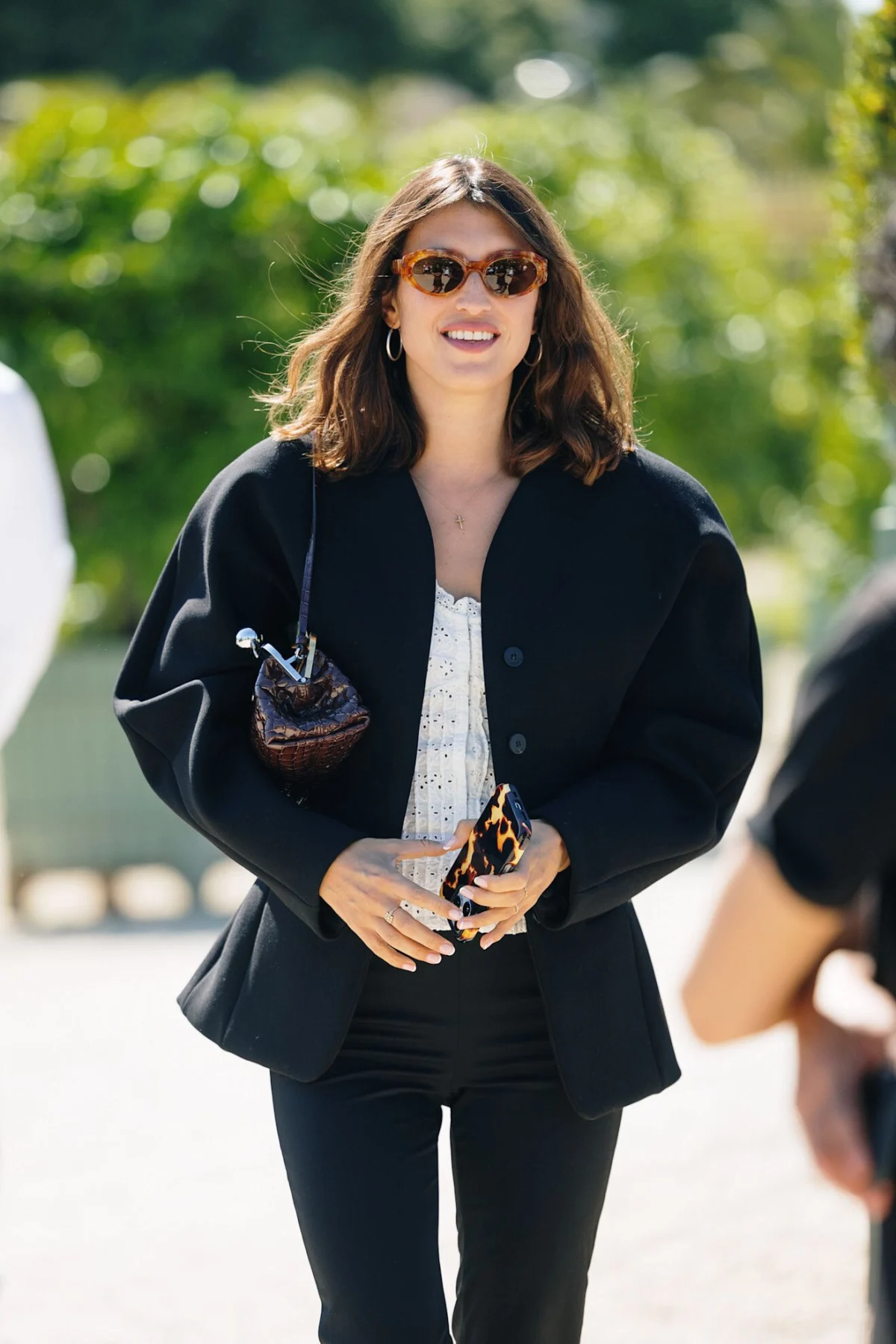
The global fashion landscape is preparing for the Spring-Summer 2026 season with a renewed focus on the intersection of Parisian aesthetic traditions and modern ergonomic requirements. As the industry pivots away from the restrictive silhouettes of previous decades, a specific category of French-inspired footwear has emerged as the cornerstone of the contemporary wardrobe. These designs, characterized by low heels, neutral palettes, and versatile structures, are engineered to complement a wide array of attire, including denim, mid-length skirts, and seasonal dresses. The prevailing sentiment among designers and trend analysts suggests that the "effortless chic" look is no longer merely a stylistic choice but a functional necessity for the modern consumer who demands transitionality from professional environments to social engagements without sacrificing physical comfort.
The Five Defining Footwear Silhouettes for Spring-Summer 2026
The upcoming season is defined by five distinct footwear styles that encapsulate the French design philosophy of "je ne sais quoi"—a curated nonchalance that suggests sophistication without overt effort. These styles prioritize the health of the foot while maintaining a high-fashion profile suitable for international runways and metropolitan streets alike.

1. Minimalist Flat Mules in Earth Tones
The flat mule continues its ascent in the 2026 trend cycle, specifically in olive green and muted earth tones. Leading French labels, such as Sézane, have reimagined this silhouette using high-shine leathers and square-toe architectures. The 2026 iteration of the mule is designed to be paired with cropped trousers or capri pants, creating a visual elongation of the leg. Industry data indicates a 15% increase in the production of flat-soled slip-ons as consumers move away from traditional loafers toward more breathable, open-back alternatives for the warmer months.
2. Textured Animal Print Flats
Animal print has transitioned from a seasonal trend to a perennial staple in the French wardrobe. For Spring-Summer 2026, brands like Bobbies are introducing low-heeled flats featuring tactile finishes, such as synthetic calf hair or embossed leather. Unlike the bold, high-contrast prints of the early 2000s, the 2026 palette focuses on monochromatic Dalmatian spots and subtle tortoiseshell patterns. These shoes serve as a "neutral" statement piece, intended to be worn with dark denim or structured office wear to provide a point of visual interest without overwhelming the ensemble.
3. Artisanal Crochet Mary Janes
The "Boho-chic" revival reaches its peak in 2026 through the integration of artisanal textures in footwear. The Mary Jane, a silhouette synonymous with French heritage brands like Carel, has been updated with multi-colored crochet and zigzag knit patterns. This shift reflects a broader industry movement toward "slow fashion" and the celebration of craftsmanship. These shoes often feature triple-strap designs and modest block heels, offering a secure fit for all-day wear. Analysts suggest that the popularity of crochet footwear is a direct response to the consumer’s desire for tactile, "human-made" aesthetics in an increasingly digital world.

4. Suede Heeled Ballerinas
The classic ballet flat undergoes a structural evolution in 2026 with the addition of a sturdy, low-block heel. Rendered in chocolate brown suede and featuring rounded toes with delicate bow detailing, these shoes draw inspiration from 1990s minimalism. Designers like Rouje have championed this look, citing its versatility across different fabric weights, from heavy denim to light cotton poplin. This silhouette is frequently associated with the "Quiet Luxury" movement, focusing on high-quality materials and understated elegance rather than overt branding.
5. Patent Leather Square-Toe Block Heels
For evening wear and formal professional settings, the 2026 collections highlight the return of the patent leather block heel. Brands such as Dior have introduced "preppy" iterations featuring glossy black finishes and branded ankle straps. The square-toe design provides a wider toe box, significantly reducing the pressure associated with traditional pointed-toe pumps. This style bridges the gap between mid-century vintage aesthetics and contemporary corporate attire, providing a polished finish to both skirts and tailored trousers.
Chronology of the French Aesthetic Shift (2020–2026)
The trajectory of French footwear over the last six years reveals a steady decline in the popularity of "stiletto culture" in favor of ergonomic stability.

- 2020–2022: The global pandemic accelerated the demand for loungewear and athletic footwear. During this period, French brands began experimenting with "hybrid" shoes—designs that combined the comfort of a slipper with the exterior of a formal shoe.
- 2023–2024: The "Quiet Luxury" and "Old Money" aesthetics dominated social media, leading to a resurgence of the classic ballet flat and the kitten heel.
- 2025: Sustainable manufacturing became the primary focus, with brands incorporating recycled leathers and plant-based textiles into traditional French silhouettes.
- 2026: The current season represents the maturation of these trends. The focus is now on "Investment Footwear"—pieces that are durable, orthopedically sensible, and stylistically timeless.
Market Data and Consumer Behavior Analysis
According to recent retail reports from McKinsey and Euromonitor, the global footwear market is projected to reach a valuation of over $400 billion by the end of 2026. A significant portion of this growth is attributed to the "Comfort-First" segment. Surveys indicate that 68% of female consumers now prioritize "all-day wearability" over "aesthetic impact" when purchasing shoes priced over $200.
Furthermore, the influence of French "it-girls" and influencers continues to drive sales in North American and Asian markets. The "French Girl" aesthetic is currently one of the most searched fashion terms on global platforms, leading to a 22% year-over-year increase in exports for French mid-market brands like Sézane and Bobbies. This data suggests that the French approach to styling—mixing high-end investment pieces with accessible basics—remains the dominant aspirational lifestyle for global consumers.
Industry Responses and Expert Perspectives
Creative directors across major Parisian fashion houses have voiced their commitment to this new era of functionality. During the preliminary showcases for the Spring-Summer 2026 collections, several designers emphasized that the "modern woman" is more mobile than ever before.

"The architecture of the shoe must reflect the reality of the woman’s life," stated a representative for a leading French luxury group. "In 2026, she is walking between meetings, using public transit, and attending social events in the same pair of shoes. The 30mm to 50mm heel height has become our ‘gold standard’ because it offers the necessary lift for posture without the skeletal strain of a higher pitch."
Podiatrists and ergonomic consultants have also been brought into the design process for several 2026 lines. The integration of memory foam insoles, arch support, and wider toe boxes into high-fashion footwear marks a significant departure from the "pain is beauty" mantra that defined 20th-century luxury fashion.
Broader Impact and Socio-Economic Implications
The shift toward comfortable, elegant French footwear carries broader implications for the fashion industry’s environmental footprint and the socio-economic status of the consumer.

Sustainability and Longevity
By focusing on neutral colors and timeless silhouettes, French designers are actively combating the "fast fashion" cycle. A pair of patent leather block heels or suede ballerinas is intended to remain in a wardrobe for a decade rather than a single season. This longevity reduces textile waste and encourages a "buy less, buy better" mentality among consumers.
The Democratization of Style
The versatility of these shoe styles allows for a more streamlined wardrobe. The ability to wear the same pair of shoes with jeans for a casual outing and a dress for a wedding reduces the financial burden on consumers to own specialized footwear for every possible occasion. This "multi-use" philosophy is particularly resonant in the current economic climate, where consumers are looking for maximum value from their luxury purchases.
Cultural Influence and the Global "Parisian"
The 2026 season confirms that "Parisian style" has evolved from a geographic identity into a global standard for professional and personal attire. By adopting these footwear trends, consumers worldwide are participating in a cultural dialogue that values heritage, craftsmanship, and a balanced approach to modern living.

As Spring-Summer 2026 approaches, the message from the French fashion capital is clear: elegance is no longer defined by the height of one’s heel, but by the confidence and ease with which one moves through the world. The five key styles—mules, animal print flats, crochet Mary Janes, heeled ballerinas, and square-toe blocks—are set to dominate the global market, providing a blueprint for a future where fashion and function coexist in perfect harmony.

0 Comments