
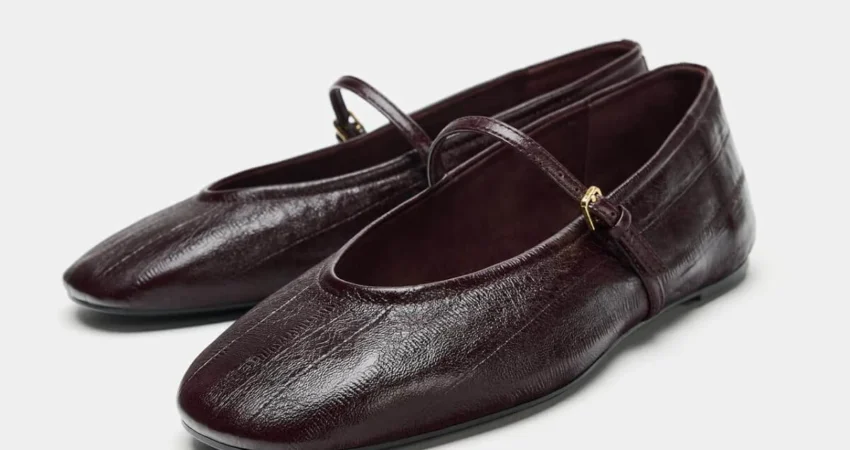
The footwear landscape for the Winter 2026-2027 season has solidified around a single, versatile silhouette: the buckle ballerina. Far from being a fleeting trend, this evolution of the classic Mary Jane has transitioned from a niche "balletcore" aesthetic into a cornerstone of the modern woman’s wardrobe. As consumer preferences shift toward a blend of ergonomic comfort and polished sophistication, major retailers from Zara to luxury-adjacent labels like Maje have released specialized iterations designed to navigate the diverse demands of contemporary life. Whether styled for the corporate environment, a casual weekend outing, or high-stakes evening events, the buckle ballerina—characterized by its supportive strap and metallic hardware—has emerged as the definitive alternative to both the traditional stiletto and the oversized sneaker.
The Strategic Shift in Footwear Consumption
The resurgence of the ballerina flat is not an isolated fashion phenomenon but a reflection of broader shifts in the global footwear market. According to industry analysis from the late 2025 fiscal period, sales of flat shoes have grown by 14% year-over-year, outpacing the growth of high-heeled footwear for the third consecutive year. This transition is largely attributed to the "hybrid lifestyle" adopted by professional demographics, where footwear must seamlessly transition from home offices to physical boardrooms and evening social engagements.

The buckle ballerina, in particular, offers a structural advantage over the simple pump. The inclusion of an instep strap—often secured by silver, gold, or decorative buckles—provides necessary foot security that prevents the "slipping" common in lower-quality flats. This technical improvement, combined with the use of premium materials like ovine leather and bovine suede, has allowed brands to market these shoes as durable investments rather than disposable fast-fashion items.
A Detailed Analysis of Key Seasonal Models
As the winter season progresses, five specific models have captured the market’s attention, each catering to a distinct "plan" or lifestyle requirement. These selections represent a cross-section of the current retail offering, spanning from accessible high-street options to higher-end investment pieces.
The Corporate Standard: Zara’s Textured Leather Ballerina in Burgundy
Zara has positioned its "Bailarina piel textura" as the quintessential office shoe for the 2026 season. Priced at 39.95 euros, this model utilizes textured sheepskin leather in a deep burgundy hue. Burgundy has effectively replaced navy and forest green as the "new neutral" of the decade, offering a rich depth that complements grey tailoring and camel-toned trousers. The shoe features a conservative 1 cm flat sole and a rounded toe box, prioritizing comfort for extended wear. Retail data indicates that this specific colorway has seen a 22% faster sell-through rate than its black counterpart, signaling a consumer desire for subtle color experimentation within professional boundaries.

The Refined Casual: Parfois’ Studded Suede Design
For scenarios requiring a "detail-oriented" approach to casual wear, Parfois has introduced a 39.99 euro model crafted from bovine suede. This design integrates a front bow—a nod to traditional ballet slippers—with a contemporary studded strap and a square buckle. The use of suede provides a softer, more matte finish that pairs effectively with the heavy textures of winter knitwear and denim. Analysts note that the addition of metallic studs serves to "toughen" the silhouette, appealing to a younger demographic that seeks to balance femininity with an edgy, urban aesthetic.
The Statement Piece: Mango’s Animal Print Innovation
The leopard print trend, which regained significant traction in late 2024, remains a dominant force in Winter 2026. Mango’s "Bailarinas animal print," priced at 39.99 euros, features a leather-effect finish with a distinctive leopard motif and crossed straps. Unlike the single-strap Mary Jane, the crossed-strap configuration offers superior ankle support and a more complex visual profile. This model is intended to serve as the focal point of an outfit, allowing the wearer to maintain a minimalist wardrobe (such as black trousers and cream turtlenecks) while using footwear to convey personality and trend-awareness.
The Evening Alternative: Lodi’s Faux-Fur and Pointed Toe
As the market moves away from painful evening heels, Lodi has filled the gap with its 129 euro (currently discounted to 90 euros) leather-and-hair-finish ballerina. This model represents a significant departure from the rounded-toe "schoolgirl" aesthetic. By utilizing a sharp, pointed toe and a 1.5 cm block heel, Lodi elevates the flat shoe to a formal status. The inclusion of metallic studs and a "pony hair" texture provides a tactile luxury that mimics high-end designer offerings, making it suitable for gala dinners or evening suits where a heel would traditionally be expected.

The Investment Asset: Maje’s Embossed Snake Skin
At the top of the price spectrum sits Maje’s embossed leather ballerina, originally priced at 245 euros (offered at 171.50 euros during seasonal promotions). This shoe features a snake-effect (viper) embossing on sheepskin leather, a gold heart-shaped buckle—the brand’s signature—and a metallic logo on the heel. This model is categorized as a "piece of investment," focusing on high-quality internal linings and longevity. Maje’s marketing strategy for this shoe emphasizes versatility through "maximalist layering," suggesting the shoe be worn with brightly colored socks or pleated skirts to emphasize its luxury hardware.
Chronology of the Trend: From Runway to Street
The journey of the buckle ballerina to the top of the Winter 2026 charts began several seasons ago.
- Spring 2024: High-fashion houses like Miu Miu and Chanel reintroduced the satin ballet flat, sparking a global interest in "balletcore."
- Autumn 2025: The trend shifted from satin and ribbons to leather and buckles, as consumers demanded shoes that could withstand outdoor environments and colder temperatures.
- Spring 2026: Retailers began experimenting with hardware, moving from functional silver buckles to decorative shapes (hearts, oversized squares, and gold-toned finishes).
- Winter 2026: The trend reached its "mature" phase, characterized by specialized materials like faux-fur, snake-skin embossing, and deep autumnal palettes like burgundy and chocolate brown.
Material Science and Technical Adjustments
Choosing the correct buckle ballerina involves more than aesthetic preference; it requires an understanding of footwear construction. Fashion experts emphasize three critical factors for the 2026 season:

- The Last (Horma): Rounded toes provide more volume for the forefoot, making them ideal for long-distance walking. Pointed toes, while more formal, require high-quality leather that can stretch to accommodate the foot without causing friction.
- Material Elasticity: Authentic leather and suede are preferred for winter because they adapt to the wearer’s foot shape over time. Synthetic alternatives, while often more affordable, lack this "memory" and can lead to discomfort during the breaking-in period.
- Adjustability: The primary functional benefit of the buckle is the ability to adjust the strap height. This is particularly important for individuals with high insteps, a demographic often ignored by traditional flat slip-on shoes.
Maintenance and Sustainability Implications
As the fashion industry faces increasing pressure to address environmental concerns, the longevity of footwear has become a key selling point. The 2026 buckle ballerina trend encourages a "care-not-replace" philosophy.
Suede models, such as those from Parfois, require specialized maintenance including soft-bristled brushing and hydrophobic sprays to prevent water damage from winter slush. Smooth leather models, like Zara’s burgundy flats, benefit from colorless nutritive creams that prevent the leather from cracking in cold, dry air. Specialized finishes like Lodi’s hair-effect leather require gentle dry-cloth cleaning to maintain the luster of the fibers. By investing in these maintenance routines, consumers are extending the lifecycle of their footwear, a move that aligns with the growing "Slow Fashion" movement in the European market.
Broader Impact on the Fashion Industry
The dominance of the buckle ballerina signifies a permanent change in how luxury and high-street brands approach women’s footwear. The "democratization of comfort" has forced designers to prove that flat shoes can be just as "dressed up" as high heels. This has led to an explosion of creativity in hardware design and material sourcing.

Furthermore, the trend has had a ripple effect on the hosiery industry. The Winter 2026 season has seen a 30% increase in the sale of decorative socks—ranging from sheer lace to heavy ribbed wool—as consumers use the open vamp of the ballerina to showcase creative hosiery. This "layering" approach allows the shoe to remain viable even in sub-zero temperatures, effectively turning a traditionally spring shoe into a year-round staple.
In conclusion, the buckle ballerina is the defining footwear of Winter 2026 because it successfully bridges the gap between disparate worlds: the practical and the decorative, the affordable and the luxurious, the office and the evening. As brands continue to refine these silhouettes, the buckle ballerina is set to remain a permanent fixture in the lexicon of modern style.

0 Comments