
 Jia Lissa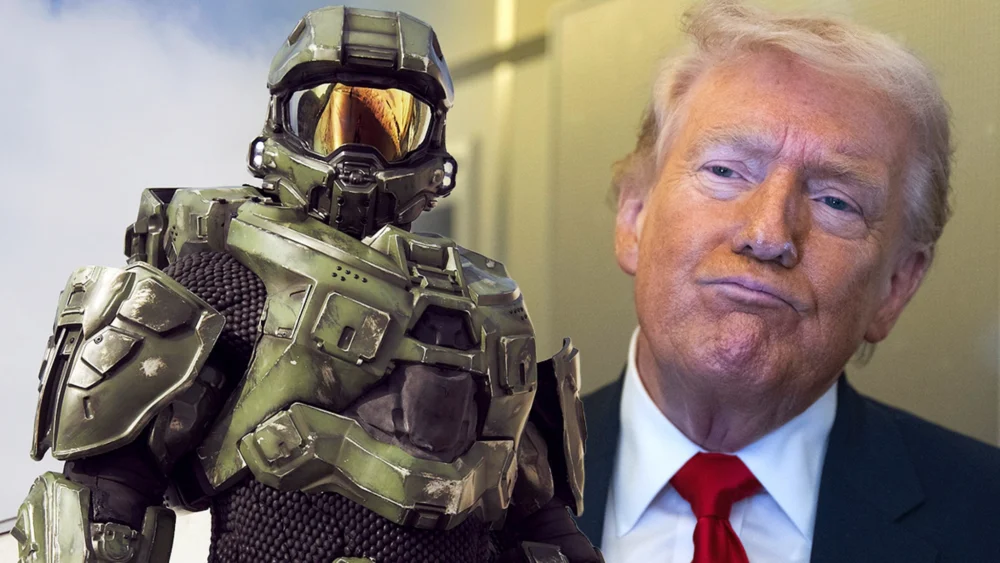
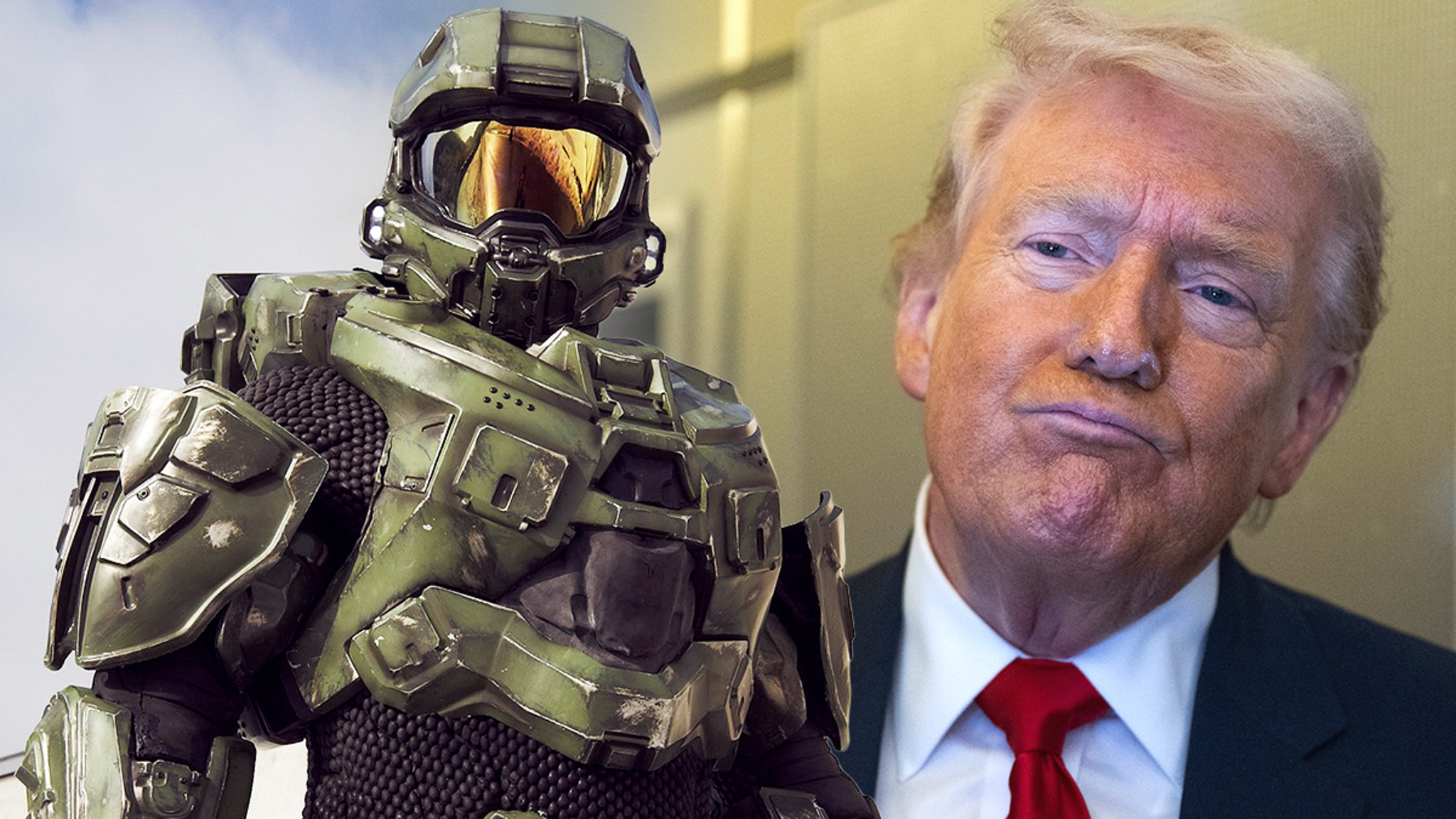
Steve Downes, the iconic voice actor behind the beloved "Halo" franchise character Master Chief, has issued a forceful public condemnation against the White House for its unauthorized use of his voice in a propaganda video promoting military action in Iran. His scathing remarks, delivered via a post on the social media platform X (formerly Twitter), accuse the administration of producing "disgusting and juvenile war porn" and demand the immediate removal of his vocal contributions. This incident marks a significant escalation in a growing controversy involving the White House’s alleged appropriation of popular culture elements for its geopolitical messaging, following similar protests from other prominent figures, including actor Ben Stiller.
Master Chief’s Voice Actor Condemns White House’s Use of His Persona
Downes, whose distinctive voice has become synonymous with the Spartan super-soldier John-117, expressed profound outrage over the video on March 9, 2026. In his widely circulated statement, he explicitly declared, "It has come to my attention that there is at least one propaganda video circulating that was either produced or at the very least endorsed by the White House that uses images of Master Chief and uses my voice to support the war in Iran." He left no room for ambiguity regarding his stance, continuing, "Let me make this crystal clear: I did not participate in nor was I consulted, nor do I endorse the use of my voice in this video, or the message it conveys."
The actor’s categorical rejection of the video’s content and purpose underscores a deep personal and professional affront. His final demand, "I demand that the producers of this disgusting and juvenile war porn remove my voice immediately," highlights the severity with which he views the unauthorized appropriation of his work for what he perceives as a morally objectionable purpose. Downes’s choice of the term "war porn" is particularly jarring and intentionally provocative. It goes beyond merely expressing disapproval; it casts a severe moral judgment on the video’s creators and endorsers. The phrase implies a gratuitous and sensationalized portrayal of conflict, designed to titillate or desensitize viewers to the harsh realities of war. By labeling it as such, Downes suggests that the White House’s video exploits the concept of heroism and the emotional resonance of popular characters like Master Chief not to inform, but to manipulate and glorify violence, effectively turning a grave geopolitical situation into a form of perverse entertainment. This strong language serves to underline the actor’s profound ethical objection to being implicated in such a narrative, highlighting a fundamental disagreement with the administration’s approach to public messaging during a period of military engagement.
Geopolitical Context: U.S.-Israel Attacks on Iran
The controversy erupts against a backdrop of escalating geopolitical tensions, specifically the recent commencement of military operations against Iran. As reported, the Donald Trump administration, in conjunction with Israel, initiated attacks on Iran in the final days of February 2026. While the precise catalysts for this military intervention remain subject to ongoing analysis and debate, the general context points to a period of heightened regional instability and significant international concern. These military actions, involving complex strategic objectives and potential long-term consequences, necessitate clear and authorized communication from governmental bodies. The alleged use of popular cultural imagery and voices in a manner perceived as propagandistic raises critical questions about the administration’s communication strategy and its respect for intellectual property rights and artistic integrity during a sensitive period of international conflict. The public’s perception of such interventions is often shaped by the narratives presented by official channels, making the integrity of these messages paramount. The decision to engage in military action against Iran marks a significant shift in foreign policy, demanding transparency and legitimate public support, rather than potentially deceptive or unauthorized messaging tactics.
The Propaganda Video: Content, Motto, and Inconsistencies
The video at the heart of this dispute reportedly bears the motto "Justice the American Way," a tagline that immediately sparks scrutiny given its context. Reports indicate the video features a montage of various heroic figures from popular culture, including, most notably, Master Chief from "Halo." Other characters cited in initial reports include Maximus Meridius from the historical epic "Gladiator" and William Wallace from "Braveheart." The inclusion of these particular characters, neither of whom is American, introduces a layer of ironic inconsistency with the video’s declared motto. Maximus Meridius is a Roman general, and William Wallace is a Scottish warrior, making their appearance under an "American Way" banner a curious choice that critics might argue undermines the video’s thematic coherence or reveals a superficial understanding of its own messaging. The intention behind such a diverse, internationally-sourced cast of "heroes" for a video promoting a specific U.S. foreign policy action remains unclear, but it certainly complicates the narrative the administration appears to be attempting to convey. This stylistic choice could be interpreted as an attempt to universalize the concept of "justice" or "heroism," but in practice, it has led to accusations of cultural appropriation and a lack of authentic representation for a specifically American-themed message. The disjointed selection of characters, spanning different historical periods and national origins, further blurs the message, potentially confusing audiences rather than galvanizing them.
Ben Stiller’s Precedent and Broader Celebrity Concerns
Steve Downes’s condemnation is not an isolated incident but rather part of a growing chorus of celebrity disapproval directed at the White House’s video. Days prior, on March 6, 2026, acclaimed actor and director Ben Stiller publicly denounced the administration’s use of clips from his highly satirical film, "Tropic Thunder," in the same propaganda piece. Stiller’s statement was equally unequivocal: "Hey White House, please remove the ‘Tropic Thunder’ clip. We never gave you permission and have no interest in being a part of your propaganda machine. War is not a movie." This stark declaration highlights a critical distinction between entertainment and the grim realities of military conflict, asserting that artistic works, especially those with satirical intent, should not be co-opted to sanitize or glamorize warfare. The phrase "War is not a movie" serves as a potent reminder of the gravity of the situation and the perceived trivialization inherent in using Hollywood imagery to promote military action. The collective stance of Downes and Stiller underscores a broader concern within the entertainment industry regarding the unauthorized use of their intellectual property and public personas for political advocacy, particularly concerning contentious foreign policy initiatives. Their protests suggest a fundamental disagreement with the White House’s methods and, potentially, its message, further complicating the administration’s efforts to garner public support for its actions in Iran.
Legal and Ethical Implications of Unauthorized Use
Beyond the ethical outrage, the White House’s alleged actions carry significant legal ramifications. Copyright law, codified in the Digital Millennium Copyright Act (DMCA) and broader U.S. Copyright Act, provides robust protections for creative works, including voice performances and film clips. Any reproduction, distribution, or public performance of copyrighted material without the explicit permission of the rights holder constitutes infringement, unless a valid defense like ‘fair use’ applies. For government-produced content, the ‘fair use’ defense is often tested, especially when the purpose is clearly promotional or propagandistic rather than educational, critical, or transformative. A government agency might argue for a public interest exception or a broad interpretation of its communication mandate, but such arguments typically face an uphill battle against established intellectual property rights. Moreover, the ‘right of publicity,’ recognized in many U.S. states, protects individuals from the unauthorized commercial use of their identity, including their voice or likeness. Steve Downes, as a recognizable voice talent, and Ben Stiller, as an actor and director, both possess strong claims under these provisions. A potential lawsuit could seek injunctive relief, demanding the video’s removal, as well as monetary damages for past infringement. While sovereign immunity often shields government entities from lawsuits, specific waivers or statutory exceptions exist, and the public nature of these claims could prompt a reevaluation of internal government protocols regarding content acquisition and usage. The potential for such legal challenges adds another layer of complexity to an already fraught political situation, potentially diverting resources and attention from critical policy matters to legal defense.
The Power of Pop Culture in Modern Propaganda
The White House’s apparent strategy to embed its message within widely recognized cultural touchstones reflects a long-standing understanding of pop culture’s persuasive power. Throughout history, governments have utilized popular art forms, from posters and songs during World War II to television and film during the Cold War, to shape public opinion and galvanize support for national objectives. The "Halo" franchise, with Master Chief as its stoic, heroic protagonist, embodies a particular archetype of military might, resilience, and often, solitary heroism against overwhelming odds. Leveraging such an image, and especially the distinct voice associated with it, attempts to tap into a pre-existing emotional connection and sense of awe that millions of fans hold for the character. The goal, presumably, is to transfer the positive associations and heroic narrative of Master Chief to the real-world military actions in Iran, thereby making a complex and potentially controversial conflict more palatable or even noble in the public’s eye.
However, this strategy carries significant risks when executed without consent. When the creators and performers themselves disavow such use, it creates a powerful counter-narrative. Instead of inspiring confidence or support, the unauthorized appropriation can breed cynicism, foster distrust in government communications, and even alienate segments of the population who feel their cultural touchstones are being misused. The incident highlights the delicate balance between using accessible cultural references for public engagement and crossing the line into manipulative or disrespectful appropriation, especially when dealing with matters of war and peace.
Public and Gaming Community Reaction
The controversy is expected to ignite a fierce debate within the gaming community, where Master Chief holds an almost sacred status. Fans of the "Halo" franchise, known for its deep lore and dedicated following, are likely to view the unauthorized co-option of their beloved hero for political ends as a profound betrayal. Social media platforms, particularly X, are already serving as a battleground for discussions, with many expressing solidarity with Downes and Stiller, condemning the White House’s perceived disrespect for artistic integrity and the sanctity of fictional universes. This grassroots backlash from a passionate fan base could amplify the pressure on the administration to address the issue, demonstrating the power of online communities to mobilize against perceived injustices. The incident also sparks broader conversations about the intersection of pop culture, politics, and the responsibilities of both creators and consumers in safeguarding the meaning and intent of artistic works against political instrumentalization. The potential for widespread public condemnation from a demographic often less engaged with traditional political discourse could pose an unforeseen challenge for the administration’s communication efforts.
Absence of Official White House Response
As of the latest reports, the White House has remained conspicuously silent on the burgeoning controversy. There has been no official statement acknowledging the complaints from Steve Downes and Ben Stiller, nor any explanation for the video’s content or the source of its production. This lack of response further fuels speculation and criticism. The administration’s silence could be interpreted in several ways: a tactical decision to avoid legitimizing the complaints with an official response, an internal review of the video’s origins and legality, or simply an oversight in addressing a rapidly developing public relations crisis. In a highly interconnected media environment, an unaddressed controversy can quickly spiral, leading to increased scrutiny from traditional media, intensified debate on social media, and potentially damaging long-term implications for the administration’s public image and its relationship with the entertainment industry. The absence of an official position also leaves open questions about accountability: who commissioned the video, who approved its content, and whether any internal policies regarding the use of copyrighted material were bypassed.
Broader Impact and Implications
This incident transcends a simple dispute over intellectual property; it delves into the broader implications of government communication in the digital age, the ethical responsibilities of state actors, and the role of cultural figures in political discourse. The controversy underscores a critical tension between governmental efforts to shape public opinion, particularly during wartime, and the rights of artists and creators to control the narrative associated with their work.
- Erosion of Trust: The unauthorized use and subsequent strong denunciations by public figures like Downes and Stiller can erode public trust in government communications. If official messages are perceived as manipulative or deceitful, it becomes harder for citizens to distinguish genuine information from propaganda, particularly during times of conflict.
- Chilling Effect on Creative Freedom: The precedent of governmental appropriation of creative works without permission could create a chilling effect within the entertainment industry. Artists might become more wary of creating content that could be co-opted for political purposes they do not endorse, or they might seek more stringent legal protections.
- The Blurring of Lines: The episode further blurs the lines between entertainment, art, and geopolitics. While cultural diplomacy is a recognized tool, the coercive or unauthorized use of cultural elements crosses into a realm that many find ethically problematic. It forces a discussion about the appropriate use of popular culture in serious national and international affairs.
- Digital Age Challenges: In an era where content can be easily remixed, shared, and repurposed, the challenges of managing intellectual property and public image are amplified. This incident highlights how quickly an unauthorized use can gain traction and provoke a widespread reaction, especially with the immediacy of platforms like X.
- Precedent for Legal Action: Should Downes or Stiller pursue legal action, it could establish significant legal precedents regarding government liability for copyright and publicity rights infringements, potentially influencing how future administrations

 Eva Lovia
 Julia Chirkova
 Julia Prastini
 Nila Kartika Wati
 Lina Irawan