
 Rifan Muazin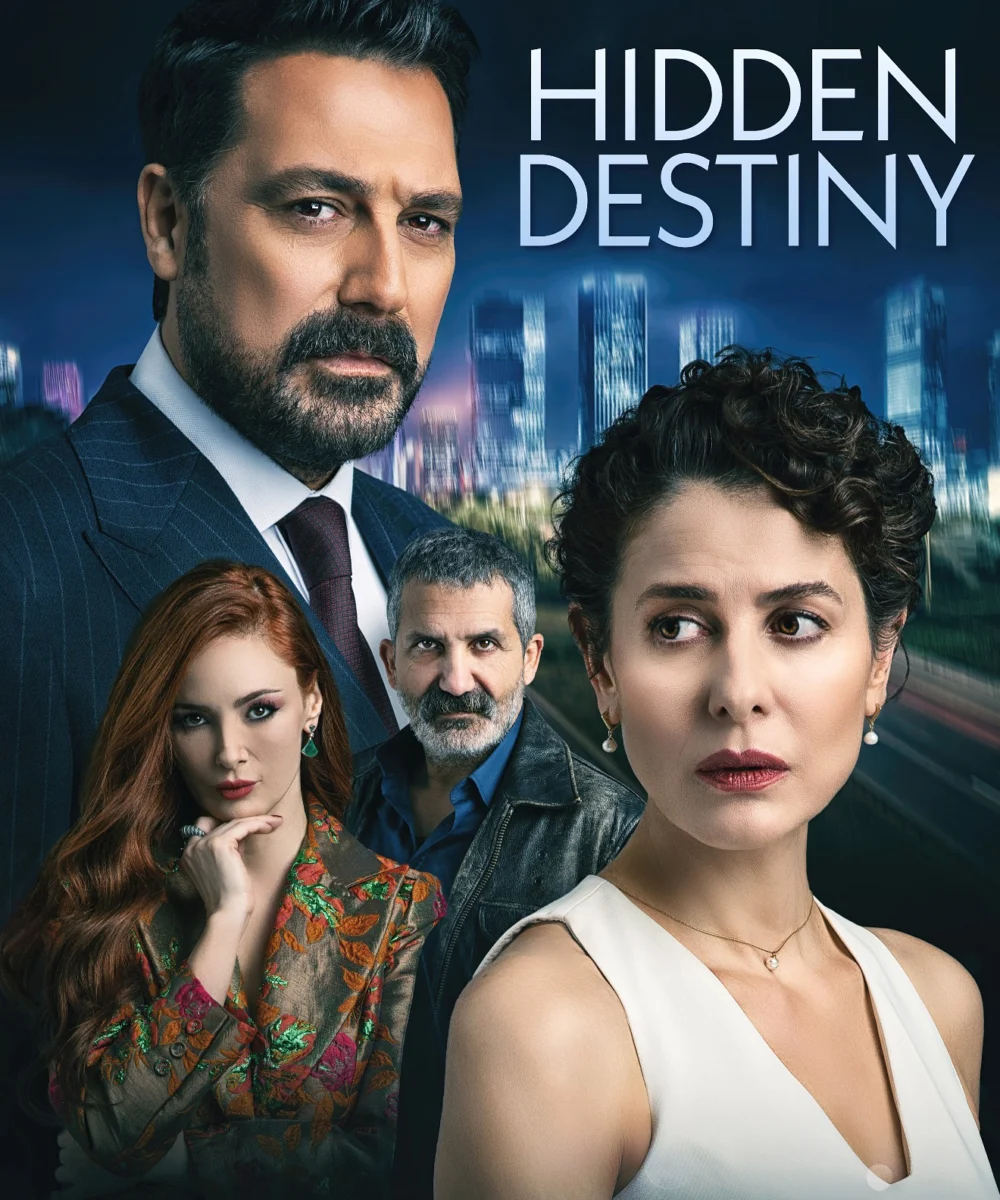
The highly anticipated Turkish drama, Can Borcu, known internationally as Hidden Destiny, officially commenced its broadcast on ATV on December 21, 2024. Produced by NTC Medya and helmed by director Semih Bagci with a screenplay by Onur Ugras, the series delves into the intricate and often painful intersections of fate, guilt, and family bonds across two seemingly disparate households in Istanbul. With initial projections indicating over 22 episodes, each spanning an extensive 140-150 minutes, the drama promises a profound exploration of human resilience in the face of profound tragedy and moral quandaries. The series is set to become a significant addition to ATV’s robust lineup, renowned for its compelling narrative-driven productions that resonate with both domestic and international audiences.
A Deep Dive into Fractured Lives and Hidden Burdens
Hidden Destiny unfolds primarily through the parallel narratives of two families, the Musluoglus and the Cakirs, whose lives are irrevocably altered by past traumas and present betrayals. At the heart of the Musluoglu family’s turmoil is Mehmet Musluoglu (portrayed by Bulent Inal), a highly successful lawyer grappling with the lingering shadow of his wife’s suicide seven years prior. This devastating event has not only left him emotionally scarred but has also created an irreparable rift with his teenage daughter, Doga (Dora Dalgic). Doga harbors deep resentment, blaming her father for her mother’s death and feeling abandoned by both parents and her elder brother, Cinar (Oktay Cubuk). Her emotional distress escalates to a critical point when she attempts to take her own life, forcing Mehmet to confront the profound guilt and unresolved issues that have plagued their family for years. Mehmet, a man accustomed to navigating legal complexities, finds himself utterly adrift in the emotional landscape of his own home, desperate to reconnect with a daughter who actively pushes him away. The portrayal of Doga’s struggle highlights the often-overlooked mental health challenges faced by adolescents dealing with parental loss and familial discord, a theme gaining increasing prominence in contemporary Turkish dramas.
Concurrently, the Cakir family’s idyllic façade shatters when Handan Cakir (Ebru Ozkan Saban), a woman who believed she shared a perfect 25-year marriage with her husband Celal (Ragip Savas), uncovers a shocking truth. Handan, who runs a small wedding dress business, receives an anonymous call informing her of Celal’s infidelity. Her investigation leads her to a hotel, where she confronts the devastating reality of her husband’s long-standing affair with Emel (Mine Tugay), a close family friend and Celal’s boss. The situation is further complicated by the romantic involvement between Emel’s son, Ferit (Demircan Kacel), and Handan and Celal’s daughter, Yasemin (Cagla Boz), who were planning their marriage. This revelation not only destroys Handan’s trust but also unravels the intricate social fabric connecting both families. The series meticulously details Handan’s internal struggle, torn between the desire to preserve her family and the unbearable weight of betrayal. The narrative here reflects a common societal dilemma, where the sanctity of marriage is tested by the harsh realities of infidelity and its ripple effects on multiple generations.
The Fateful Collision and the "Debt of Life"
The lives of Mehmet and Handan, previously unknown to each other, converge dramatically through a series of tragic coincidences. As Celal grapples with the shame and consequences of his infidelity, he makes the irreversible decision to commit suicide. At the very moment Celal steps into the path of an oncoming vehicle, Mehmet is driving, frantically trying to reach his daughter Doga to prevent her own suicide attempt. In a desperate bid to save Doga, Mehmet inadvertently strikes Celal, who is intentionally on the road, and leaves the scene of the accident. This morally ambiguous choice, driven by a father’s primal instinct to protect his child, sets in motion the central conflict of "Can Borcu" – the "debt of life" Mehmet unknowingly incurs.
Upon successfully saving Doga’s life, Mehmet is left to contend with the profound guilt of having abandoned an injured man. This pivotal moment not only brings Mehmet face-to-face with his own conscience but also intertwines his destiny with that of the grieving Cakir family. The series promises to explore the far-reaching consequences of this single, desperate act, examining how choices made under immense pressure can have unforeseen and life-altering impacts on numerous individuals. The concept of "Can Borcu," literally meaning "debt of life" or "debt of soul," forms the thematic backbone of the series, hinting at a karmic connection and the moral obligations that bind individuals in the aftermath of tragedy.
A Stellar Ensemble Cast and Creative Vision
The production boasts a formidable cast, led by industry veterans Bulent Inal and Ebru Ozkan Saban, whose performances are anticipated to lend significant emotional depth to their complex characters. Bulent Inal, known for his nuanced portrayals in dramas such as Ihlamurlar Altında and Payitaht Abdülhamid, brings his extensive experience to Mehmet Musluoglu, a character fraught with internal conflict and paternal anguish. His ability to convey silent suffering and a father’s unwavering love will be crucial in portraying Mehmet’s arduous journey towards redemption and reconciliation.
Ebru Ozkan Saban, celebrated for her roles in Paramparça and Hekimoğlu, embodies Handan Cakir, a woman who transitions from a life of perceived marital bliss to one shattered by betrayal and loss. Her character’s arc will likely depict immense strength and vulnerability as she navigates widowhood, protects her children, and grapples with the secret of her husband’s past. The casting of Dora Dalgic as Doga Musluoglu is particularly noteworthy, representing the younger generation’s struggles with mental health and familial discord. Her performance is expected to be a poignant exploration of teenage rebellion and the cry for help. Ragip Savas, as Celal Cakir, portrays the flawed husband whose actions trigger the cascade of events, leaving behind a legacy of secrets and burdens for his family.
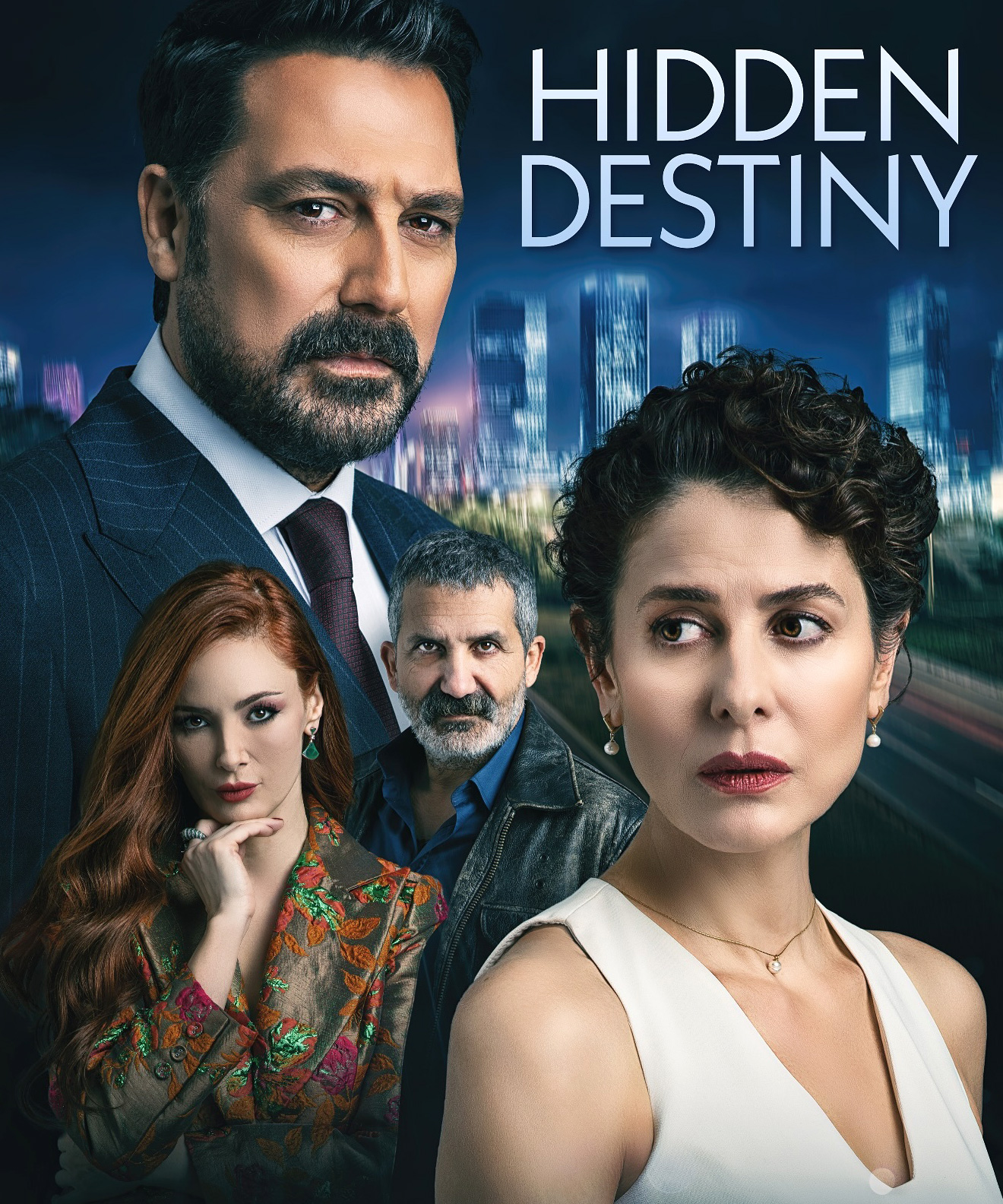
The supporting cast further enriches the narrative tapestry. Oktay Cubuk as Cinar, Mehmet’s elder son, is expected to play a crucial role in the family’s healing process, possibly acting as a bridge between Mehmet and Doga. Mine Tugay as Emel and Demircan Kacel as Ferit bring another layer of complexity, embodying the ‘other family’ directly involved in Celal’s betrayal and the subsequent emotional fallout, especially given Ferit’s engagement to Yasemin. Cagla Boz, Ilber Kaboglu, and Berna Cindil complete the Cakir siblings, each likely navigating their own grief and confusion following their father’s sudden death and the revelation of his double life.
NTC Medya, the production company behind Hidden Destiny, has a strong track record of delivering high-quality, emotionally resonant dramas to Turkish television screens. Their productions are frequently characterized by intricate plots, strong character development, and high production values, making them popular both domestically and in international markets. Director Semih Bagci’s vision, coupled with Onur Ugras’s intricate screenplay, promises a narrative that is both emotionally gripping and thought-provoking. Filming in Istanbul, a city renowned for its rich history and diverse landscapes, provides a picturesque yet often melancholic backdrop, enhancing the series’ dramatic atmosphere.
The Global Appeal of Turkish Drama and Hidden Destiny‘s Place
Turkish dramas have experienced an unprecedented surge in global popularity over the past decade, captivating audiences across the Middle East, North Africa, Latin America, Eastern Europe, and Asia. Their appeal lies in their ability to weave universal themes of love, family, betrayal, revenge, and social justice into compelling narratives, often accompanied by high production values and talented actors. Hidden Destiny fits squarely within this successful genre, offering a blend of intense family drama, romance, and psychological suspense.
ATV, as one of Turkey’s leading broadcast networks, has been instrumental in this global outreach. Known for investing in ambitious projects, the network provides a strong platform for Hidden Destiny to reach a wide viewership. The series’ exploration of sensitive topics such as suicide, infidelity, and the long-term impact of trauma on family dynamics is likely to resonate with diverse audiences, sparking important conversations and debates. The extended episode lengths, characteristic of Turkish dramas, allow for deep character development and intricate plotlines, satisfying viewers who seek immersive storytelling.
The series’ promotional campaign, utilizing platforms like Instagram (@canborcuatv), X (@canborcudizi), Facebook (@canborcudizi), and YouTube (@CanBorcuatv), has been strategically deployed to build anticipation. Trailers released prior to the premiere offered tantalizing glimpses into the emotional intensity and dramatic stakes, generating significant online buzz and attracting a dedicated fanbase even before its first episode.
Implications and Societal Commentary
Hidden Destiny is poised to offer more than just entertainment; it stands as a commentary on contemporary societal issues within Turkey and beyond. The depiction of Doga’s suicidal ideation brings critical attention to adolescent mental health, a topic that, while increasingly discussed, still faces stigma. Mehmet’s struggle to connect with his daughter and confront his own guilt highlights the challenges of grief and parental responsibility. Similarly, Handan’s journey through betrayal and widowhood underscores the resilience of women and the complexities of marital trust and societal expectations. Celal’s character, seemingly perfect yet deeply flawed, reflects the pressure individuals face to maintain an image, often at the cost of personal integrity and truth.
The central mystery surrounding Mehmet’s wife’s suicide, coupled with Celal’s dying wish for his infidelity to remain a secret from his children, sets up a narrative rich with potential for twists and revelations. These elements are designed not only to keep viewers engaged but also to provoke thought on the nature of truth, forgiveness, and the burdens we carry for those we love. The "debt of life" concept transcends a simple legal or financial obligation, suggesting a profound moral and emotional responsibility that one individual might owe to another, or even to fate itself.
In conclusion, Hidden Destiny (Can Borcu) enters the Turkish drama landscape with a powerful narrative, a talented cast, and a production team committed to exploring the profound complexities of human relationships and the lasting impact of life’s most challenging events. Its premiere marks the beginning of what promises to be an emotionally charged journey, captivating audiences with its intricate plot, compelling characters, and universal themes of loss, betrayal, redemption, and the enduring strength of the human spirit. As the series unfolds, it is expected to leave a lasting impression, solidifying its place among the most memorable Turkish dramas of the season.



 Eva Lovia
 Julia Chirkova
 Julia Prastini
 Jia Lissa
 admin
admin
 Raisa Andriana