
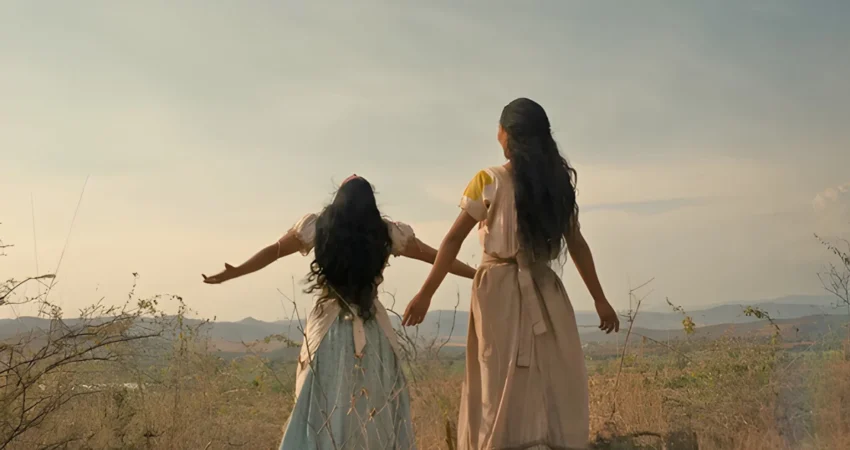
The Literary Legacy of Ángeles Mastretta
To understand the cultural weight of the Mal de amores series, one must first examine its source material. Published in 1996, the novel became an immediate sensation in the Spanish-speaking world. In 1997, it was awarded the Rómulo Gallegos International Novel Prize, one of the most prestigious accolades in Hispanic literature. Mastretta’s victory was historic, as she became the first woman to receive the honor, joining the ranks of literary titans like Mario Vargas Llosa and Gabriel García Márquez.
The novel was praised for its "new sentimentalism," a style that reclaimed emotional depth and domestic life as valid subjects for serious literature, all while grounding them in the harsh realities of Mexico’s political history. By focusing on the life of Emilia Sauri, Mastretta challenged the traditional male-dominated narratives of the Mexican Revolution, suggesting that the true transformation of the country occurred not just on the battlefields, but in the hearts and minds of women who dared to envision a different future.
A Family Legacy: From Page to Screen
The transition from the written word to the screen was spearheaded by a figure with a deep personal connection to the material: Catalina Aguilar Mastretta. As the daughter of the original author, Catalina served as the showrunner and primary creative force behind the adaptation. This familial link has been cited by critics as a primary reason for the series’ tonal fidelity to the book.
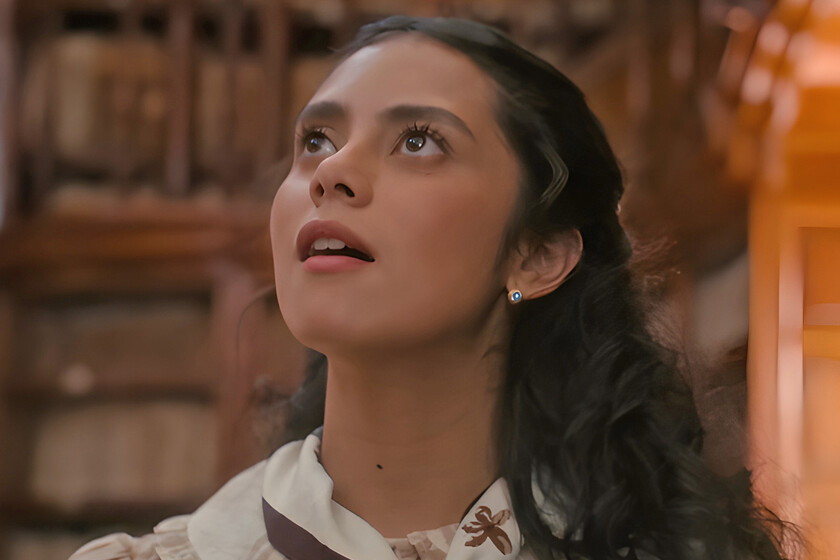
Catalina Aguilar Mastretta, already an established director known for Everybody Loves Somebody and Cindy la Regia, brought a modern cinematic sensibility to the 1910s setting. In various industry statements, the production team emphasized that the goal was not merely to recreate the past, but to make the struggles of the protagonist feel contemporary. The series was filmed across various locations in Mexico, including the historic center of Puebla and Mexico City, utilizing high-end production design to recreate the Porfiriato era and the subsequent revolutionary chaos.
Plot Overview: Medicine, Revolution, and the Heart
Set against the backdrop of the Mexican Revolution (1910–1920), the plot follows Emilia Sauri, a young woman born into a liberal, enlightened family in Puebla. Unlike many of her peers, Emilia is encouraged by her father to pursue her intellectual passions, leading her to dream of becoming a physician—a profession almost entirely closed to women at the turn of the century.
The central conflict of the series is twofold: Emilia’s struggle for professional autonomy and her emotional entanglement with two men who represent the divergent paths of a nation in turmoil.
- Daniel Cuenca: A childhood friend and fierce revolutionary. Daniel represents the fire of the rebellion, the desire for radical change, and the unpredictable nature of passion. His life is defined by the war, often leaving Emilia behind as he pursues the cause of justice.
- Antonio Zavala: A dedicated doctor who offers Emilia a different kind of life. Antonio represents stability, progress through science, and the possibility of a shared professional future. Through him, Emilia finds the means to practice medicine, yet she remains haunted by her connection to Daniel.
The series spans several decades, tracking the evolution of these characters as they navigate the fall of Porfirio Díaz, the rise of Francisco I. Madero, and the subsequent internecine conflicts between various revolutionary factions.

Historical Context: The Role of Women in the Revolution
Mal de amores arrives at a time of renewed interest in the historical role of women during the Mexican Revolution. Traditionally, history books focused on figures like Emiliano Zapata and Pancho Villa. However, recent scholarship and cultural productions have highlighted the Soldaderas or Adelitas, women who served as soldiers, nurses, spies, and logistical backbone for the various armies.
The miniseries enriches this historical context by showing the domestic and professional side of this female rebellion. Emilia Sauri’s quest to study medicine is a reflection of the real-world pioneers of the era, such as Matilde Montoya, the first female physician in Mexico. The series portrays the "social revolution" that happened in tandem with the armed conflict—a period where traditional gender roles were interrogated and, in some cases, permanently altered.
Streaming Data and Market Strategy
The success of Mal de amores is not an isolated event but part of a broader data-driven strategy by Netflix. According to internal reports from the streaming service, there has been a 25% increase in the consumption of local-language content in Latin America over the past three years. Mexico remains the most significant market for Spanish-language production outside of Spain.
By investing in high-quality period dramas like Mal de amores, Netflix is competing directly with traditional Mexican media giants like TelevisaUnivision, while also targeting the international market that has shown an appetite for "prestige" historical fiction. The series follows in the footsteps of other successful Mexican literary adaptations on the platform, such as the recent reimagining of Juan Rulfo’s Pedro Páramo and the upcoming series based on Gabriel García Márquez’s One Hundred Years of Solitude.
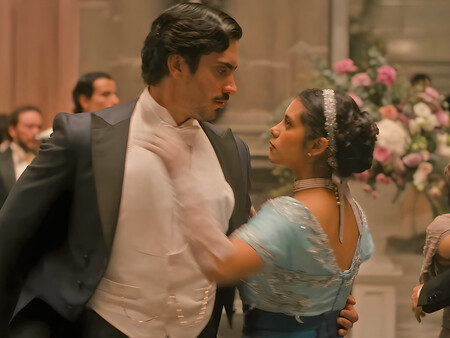
Chronology of Production and Release
- 1996: Publication of the novel Mal de amores by Ángeles Mastretta.
- 1997: Mastretta wins the Rómulo Gallegos Prize.
- 2021: Netflix announces the "Que México se vea" initiative, confirming several high-profile literary adaptations.
- 2023: Principal photography begins on Mal de amores under the direction of Catalina Aguilar Mastretta.
- Late 2024: The series premieres globally on Netflix, reaching the Top 10 in Mexico and several other Latin American territories within its first 48 hours of release.
Critical Analysis: A Modern Take on History
Film and television critics have noted that Mal de amores avoids the "telenovela" tropes often associated with historical romances. Instead, it adopts a more grounded, cinematic approach. The cinematography uses a warm, sepia-toned palette to evoke the nostalgia of the early 20th century, but the dialogue and character motivations are sharp and unsentimental.
A key point of analysis is the portrayal of the "revolutionary" man. Daniel Cuenca is not presented as a flawless hero; his obsession with the war often borders on the destructive, highlighting the personal cost of political idealism. Conversely, the "peaceful" Antonio Zavala is shown to have his own complexities, struggling with the limitations of a system he tries to reform from within. At the center is Emilia, whose character arc is defined by the realization that her happiness cannot be tied to a man’s choice, but must be forged through her own agency.
Broader Impact and Industry Implications
The success of Mal de amores serves as a proof of concept for the viability of high-budget historical miniseries in Mexico. It demonstrates that local audiences are hungry for stories that treat their history with gravity and artistic merit. Furthermore, it reinforces the trend of "literary prestige" in streaming; by attaching a project to a prize-winning novel, platforms can attract a more mature demographic while still appealing to younger viewers through high production values and compelling romance.
The series also highlights the growing influence of female creators in the Mexican film industry. With Catalina Aguilar Mastretta at the helm, the production ensures that the female perspective of the novel is not lost in translation. This shift in the industry—where women are increasingly in charge of telling their own historical narratives—is perhaps the most significant "revolution" reflected in the project.

As Mal de amores continues to perform well on global charts, it paves the way for more adaptations of Latin American "Boom" and "Post-Boom" literature. For viewers, the seven episodes offer a rare blend of educational historical context and emotional resonance, proving that the stories of the past remain deeply relevant to the complexities of the present. The series is currently available for streaming worldwide on Netflix, standing as a testament to the enduring power of Ángeles Mastretta’s prose and the evolving landscape of Mexican television.

0 Comments