
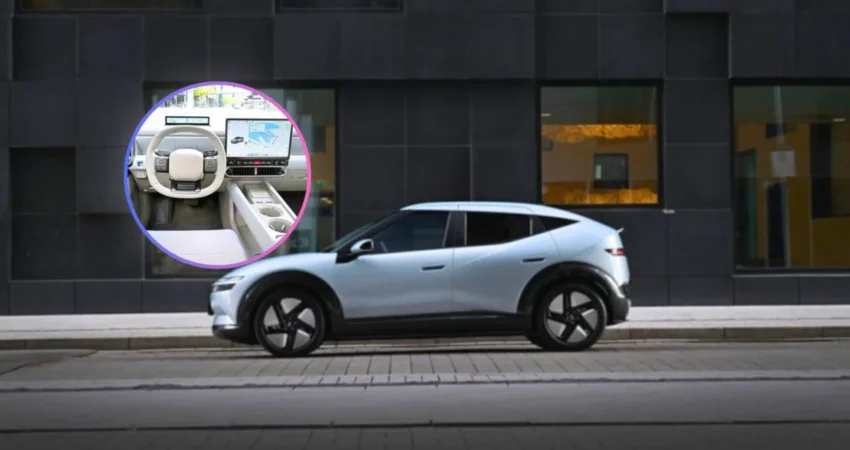
The automotive industry is witnessing a significant shift toward accessible electrification, and the introduction of the Hyundai IONIQ 3 represents a pivotal moment in this transition. As a compact electric hatchback designed to bridge the gap between urban efficiency and long-distance capability, the IONIQ 3 integrates high-end technology with a pragmatic design language. With its official launch in Spain, the vehicle seeks to establish a new benchmark for the C-segment, offering a sophisticated blend of aerodynamic performance, interior space, and a competitive pricing structure that leverages government incentives and promotional campaigns.

The Strategic Evolution of the IONIQ Brand
The IONIQ 3 is the latest addition to Hyundai’s dedicated electric vehicle lineup, following the global success of the IONIQ 5 and IONIQ 6. Unlike its predecessors, which focused on the mid-size SUV and sedan markets, the IONIQ 3 targets the highly competitive compact hatchback segment. This move is strategic, as European markets continue to favor smaller, more agile vehicles that can navigate dense urban environments while providing sufficient utility for weekend travel.
Designed and developed specifically with European consumers in mind, the IONIQ 3 reflects a deep understanding of regional preferences for handling, aesthetics, and spatial efficiency. By manufacturing the vehicle at the Hyundai Motor Türkiye plant in İzmit, the company ensures a robust supply chain for the Mediterranean and broader European markets, reducing logistical overhead and allowing for a more aggressive pricing strategy.

Design Philosophy: The Art of Steel and Aerodynamic Precision
The aesthetic of the IONIQ 3 is defined by the "Art of Steel" design language. This philosophy emphasizes sharp, clean lines and a sculpted silhouette that distinguishes the vehicle from the more rounded forms often found in the electric compact segment. The exterior is not merely a matter of style; it is a functional exercise in physics.
The IONIQ 3 boasts a drag coefficient (Cd) of 0.263, a figure that places it among the most aerodynamically efficient vehicles in its class. In the realm of electric mobility, minimizing air resistance is crucial for maximizing battery life. Every curve of the hatchback’s body is engineered to guide airflow efficiently, reducing energy consumption at higher speeds. This focus on efficiency is particularly evident in the N Line Evo V2X variant, which adds a layer of aggressive styling—including specialized bumpers and unique wheel designs—without compromising the vehicle’s aerodynamic integrity.

Technical Specifications and Powertrain Performance
At the heart of the IONIQ 3’s performance is a well-balanced powertrain designed for the modern commuter. The Prime V2X version is equipped with a 61 kWh lithium-ion battery pack, which feeds a front-mounted electric motor. This motor generates 135 CV (approximately 100 kW) and 250 Nm of torque, providing the instantaneous acceleration characteristic of electric propulsion.
While it is not a dedicated sports car, the IONIQ 3 offers respectable performance metrics, achieving 0 to 100 km/h in 9.5 seconds. The power is delivered through a single-speed transmission, ensuring a smooth and linear driving experience. For many users, the most critical figure is the range. In its long-range configuration, the IONIQ 3 achieves a WLTP-homologated range of up to 497 kilometers. This range effectively removes the "range anxiety" often associated with smaller EVs, making the car a viable option for cross-regional trips, provided the driver accounts for variables such as ambient temperature, driving style, and terrain.

Interior Innovation: Connectivity and Spatial Utility
The interior of the IONIQ 3 is designed to serve as a mobile living space, emphasizing comfort and digital integration. Despite its compact exterior dimensions, the vehicle provides five full-size seats, ensuring that it can accommodate a family or a group of colleagues without the cramped feeling typical of B-segment cars.
The centerpiece of the dashboard is a 14.6-inch central touchscreen, which Hyundai identifies as the largest in its segment. This screen serves as the hub for the Pleos Connect system, an infotainment platform built on the Android Automotive Operating System. This choice of OS allows for seamless integration of Google services, real-time navigation, and over-the-air (OTA) updates, ensuring that the vehicle’s software remains current throughout its lifecycle.

Practicality is further enhanced by the vehicle’s cargo capacity. The IONIQ 3 offers a 441-liter trunk, a generous volume for a hatchback that allows for the transport of groceries, sports equipment, or luggage for a multi-day trip. The interior layout prioritizes "change of plans," with flexible seating and storage solutions that adapt to the varying demands of a modern lifestyle.
Market Accessibility and the Strategic Pricing Model
One of the most compelling aspects of the IONIQ 3’s entry into the Spanish market is its price point. With a starting price of 21.500 euros, the vehicle is positioned to compete directly with internal combustion engine (ICE) vehicles and low-cost EV alternatives. However, it is important to note that this figure is achieved through a combination of manufacturer discounts and the Spanish government’s Auto Plus incentive plan.

This pricing strategy is a clear attempt by Hyundai to democratize high-quality electric mobility. By lowering the barrier to entry, Hyundai aims to capture a larger share of the first-time EV buyer market. Prospective owners are encouraged to consult with dealerships to understand the specific terms of these promotions, as the final cost can vary based on the selected trim level—such as the Prime V2X or the more premium N Line Evo V2X—and the buyer’s eligibility for regional subsidies.
The Road to European Car of the Year 2027
The industry’s reception of the IONIQ 3 has been overwhelmingly positive, culminating in its selection as one of the seven finalists for the prestigious European Car of the Year 2027 award. A jury comprising 60 specialized journalists from 23 countries evaluated dozens of new models before narrowing the field.

The inclusion of the IONIQ 3 as a finalist underscores its importance in the current automotive landscape. Jurors typically look for innovation, safety, design, and value for money—areas where the IONIQ 3 excels. The final winner will be announced on January 8, 2027, at the Brussels Motor Show. Regardless of the outcome, being a finalist serves as a powerful endorsement of Hyundai’s engineering and design choices for this model.
Marketing and Cultural Integration: The Contemporary Gallery in Motion
To celebrate the launch, Hyundai has embarked on a unique promotional tour across Spain titled "More Than Freedom – A Contemporary Gallery in Motion." This initiative departs from traditional automotive marketing by transforming dealerships into art galleries. The tour includes 52 scheduled events designed to engage the public through a sensory experience that combines technology and art.

Attendees are invited to participate in interactive installations, including live artistic interventions and the personalization of steel pieces, echoing the "Art of Steel" design theme. In its initial stages, the tour has already attracted hundreds of visitors, with a goal of reaching over 6,000 participants. This campaign aims to position the IONIQ 3 not just as a machine, but as a lifestyle choice that reflects a commitment to modern design and sustainable living.
Chronology of Development and Launch
The timeline of the IONIQ 3 reflects a rapid but meticulous development cycle:

- Conceptualization (2023-2024): Hyundai engineers in Europe began defining the specifications for a compact hatchback that could utilize the company’s evolving electric platforms while maintaining a lower price point than the IONIQ 5.
- Production Setup (2025): The Hyundai Motor Türkiye plant underwent significant upgrades to accommodate the specific manufacturing requirements of the IONIQ 3, ensuring it met European quality standards.
- Initial Reveal (Late 2025): The first images and technical data were released to the press, generating immediate interest due to the 497 km range.
- Spanish Market Launch (November 2026): Official pricing and trim details were confirmed for Spain, and the "Gallery in Motion" tour commenced.
- European Car of the Year Finalist (November 2026): The IONIQ 3 was officially named one of the seven contenders for the 2027 title.
- Future Milestone (January 8, 2027): The winner of the European Car of the Year will be announced in Brussels.
Broader Impact and Industry Implications
The arrival of the IONIQ 3 is a testament to the maturing electric vehicle market. It signals a move away from "luxury-only" EVs toward practical, everyday vehicles that do not force consumers to choose between sustainability and utility. By offering a high-tech interior, significant range, and a localized production base, Hyundai is addressing the primary concerns of the European consumer.
Furthermore, the vehicle’s V2X (Vehicle-to-Everything) capability, highlighted in its trim names, suggests a future where the car is an integrated part of the energy grid, capable of powering external devices or even contributing back to the home energy system. As the IONIQ 3 begins to populate Spanish roads, its success will likely influence how other manufacturers approach the compact EV segment, potentially accelerating the phase-out of traditional combustion engines in the urban hatchback category. For now, the IONIQ 3 stands as a robust, well-engineered, and aesthetically daring option for those ready to embrace the electric future.

0 Comments