
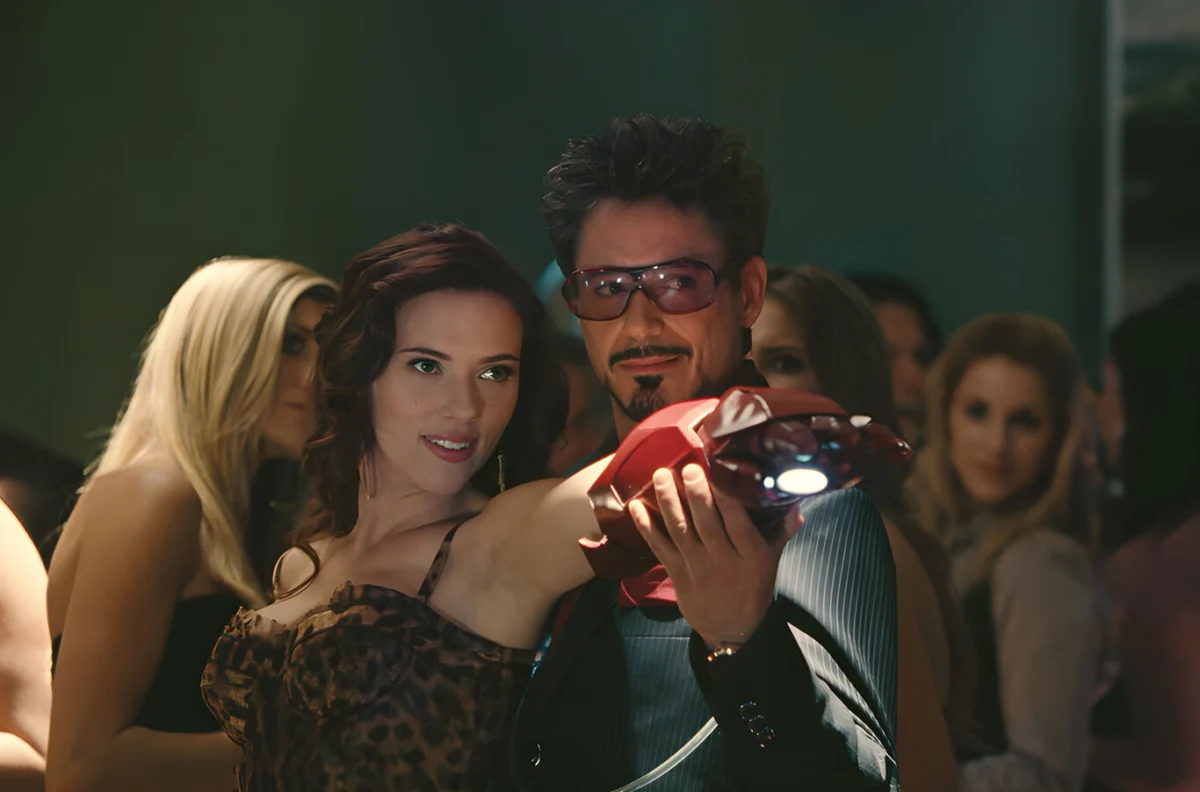
In 2010, the Marvel Cinematic Universe (MCU) was in its infancy, attempting to follow the monumental success of the original Iron Man with a sequel that would solidify Tony Stark as the pillar of a burgeoning franchise. While Iron Man 2 was a commercial success, grossing over $623 million worldwide, it was met with a lukewarm reception from critics and fans who argued that the film felt more like a feature-length advertisement for the upcoming Avengers crossover than a standalone narrative. However, as the MCU enters its second decade and faces unprecedented challenges—ranging from visual effects inconsistencies to "superhero fatigue"—a growing movement of retrospective analysis suggests that Iron Man 2 has aged significantly better than its contemporary counterparts. The film, now available for streaming on Disney+, is being re-examined not as a misstep, but as a robust example of high-fidelity blockbuster filmmaking that utilized practical effects and character-driven subplots in ways that modern entries often struggle to replicate.
The 2010 Context: High Stakes and Creative Friction
Following the 2008 release of Iron Man, director Jon Favreau and star Robert Downey Jr. were tasked with a rapid turnaround for the sequel. At the time, Marvel Studios was navigating its transition following the acquisition by The Walt Disney Company in 2009. The production of Iron Man 2 was famously turbulent, characterized by a script that was being written during filming and significant pressure from the "Marvel Creative Committee" to integrate world-building elements for the future of the franchise.
The initial criticism centered on the film’s perceived lack of focus. Critics at the time, such as those from Rotten Tomatoes where the film holds a 72% approval rating, argued that the introduction of S.H.I.E.L.D. and the "Avengers Initiative" distracted from the personal journey of Tony Stark. Today, that same world-building is viewed through a different lens. What was once seen as "clutter" is now recognized as the foundational architecture of a multi-billion dollar cinematic tapestry. Furthermore, the film’s exploration of Stark’s mortality—specifically his palladium poisoning—provided a grounded, high-stakes emotional core that contrasts sharply with the multiversal, abstract threats found in Phase 4 and Phase 5 of the MCU.
Technical Superiority: Practical Effects versus Digital Saturation
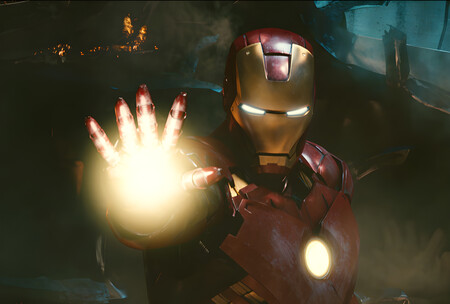
One of the most prominent arguments for the re-evaluation of Iron Man 2 lies in its visual presentation. In the current landscape of superhero cinema, audiences and industry analysts have frequently criticized the "CGI look" of modern films, often citing flat lighting and weightless digital characters. Iron Man 2, however, represents a period where Marvel Studios heavily utilized practical suits and physical props.
Under the guidance of Legacy Effects (the successor to Stan Winston Studios), the production utilized partial and full suits that Robert Downey Jr. and his stunt doubles actually wore on set. This physical presence allowed cinematographers to capture natural light reflections and provided the actors with a sense of "heft" that is often missing from modern nanotech suits, which are almost entirely rendered in post-production. The "Suitcase Armor" (Mark V) sequence on the Monaco racetrack remains a high-water mark for the franchise, blending intricate mechanical animation with physical interaction in a way that feels tangible and dangerous. In contrast, modern entries like Ant-Man and the Wasp: Quantumania have faced backlash for their heavy reliance on "The Volume" (LED wall technology) and rushed digital effects, leading to a visual "muddiness" that Iron Man 2 successfully avoided.
The Introduction of Black Widow and the Legacy of Physical Choreography
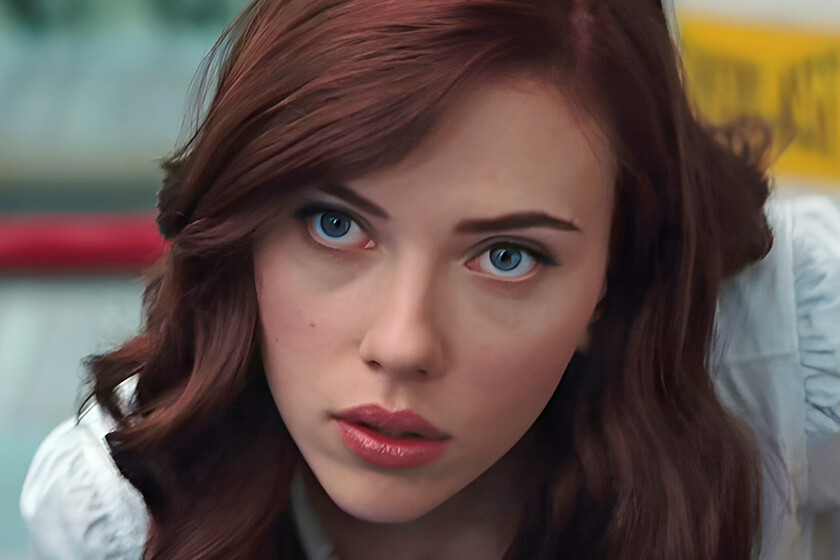
Iron Man 2 served as the debut for Scarlett Johansson’s Natasha Romanoff, also known as Black Widow. At the time, the character was introduced as a mysterious undercover operative for S.H.I.E.L.D., but her presence fundamentally changed the action vocabulary of the MCU. The hallway fight sequence toward the film’s climax, choreographed with a focus on practical stunt work and physical agility, set a standard for non-powered combat in the franchise.
In contemporary MCU films, combat often involves energy blasts, magical constructs, or digitally enhanced movements. The Black Widow sequence in Iron Man 2 relied on Johansson’s training and the work of stunt coordinators to create a visceral, grounded experience. Analysts suggest that the shift toward CGI-heavy action in recent years has diminished the stakes of individual fights. By revisiting Iron Man 2, viewers are reminded of a time when the MCU’s stakes were measured in broken glass and hand-to-hand combat rather than world-ending beams of light in the sky.

Justin Hammer and the Satire of the Defense Industry
While Mickey Rourke’s Ivan Vanko (Whiplash) was criticized for being a "flat" villain—a sentiment Rourke himself echoed after many of his character-building scenes were cut—the film’s secondary antagonist, Justin Hammer, has become a cult favorite. Portrayed by Sam Rockwell, Hammer was designed as a dark, incompetent mirror to Tony Stark. He represented the opportunistic, corporate side of the military-industrial complex, lacking Stark’s genius but possessing an endless supply of unearned confidence.
In the years since 2010, the "tech bro" archetype that Hammer satirizes has become even more prevalent in real-world discourse. Rockwell’s performance is now viewed as a prophetic critique of billionaire ego and the dangers of privatized defense. Hammer’s "Ex-Wife" missile—a high-tech weapon that fails spectacularly upon deployment—serves as a perfect metaphor for the film’s critique of style over substance in the arms race. This level of corporate satire provided a layer of sophistication to the script that is often replaced by more generic "end-of-the-world" motivations in modern superhero scripts.
Data and Performance: A Financial Pillar
Despite the critical dividedness, the financial data confirms that Iron Man 2 was a vital success for the early MCU. It opened to $128.1 million in the United States, which at the time was the fifth-highest opening weekend in history. It eventually outearned its predecessor, proving that the Marvel brand had significant staying power even before the 2012 Avengers phenomenon.
| Film | Global Box Office | Rotten Tomatoes Score |
|---|---|---|
| Iron Man (2008) | $585.8 Million | 94% |
| Iron Man 2 (2010) | $623.9 Million | 72% |
| Iron Man 3 (2013) | $1.215 Billion | 79% |
The data illustrates a steady upward trajectory in commercial appeal, even if critical consensus fluctuated. When compared to recent "Phase 5" films, the stability of Iron Man 2’s performance is notable. For instance, The Marvels (2023) saw a significant drop-off in its second week, a phenomenon largely attributed to the very "genre fatigue" that Iron Man 2 managed to avoid by being part of the genre’s foundational growth period.
Broader Implications: The Return of Robert Downey Jr. and the Future
The renewed interest in the Iron Man trilogy comes at a pivotal moment for Marvel Studios. Following a series of underperformances and the dismissal of Jonathan Majors (who was set to play the central antagonist Kang), Disney and Marvel have pivoted back to their most reliable assets. At the recent San Diego Comic-Con, it was officially announced that Robert Downey Jr. would return to the franchise, not as Tony Stark, but as Victor Von Doom in the upcoming Avengers: Doomsday.
This casting decision has sparked intense debate about the "creative bankruptcy" of the genre versus the necessity of star power to save the box office. However, it also highlights why films like Iron Man 2 are being revisited. Audiences are nostalgic for the era when the MCU felt cohesive and when the characters—even in their "lesser" films—carried a charisma and physical presence that defined the modern blockbuster. The return of the Russo Brothers to direct Doomsday and Secret Wars further suggests a desire to return to the grounded, high-stakes storytelling that characterized the MCU’s peak.
Conclusion: A Re-evaluation of the "Middle Child"
Iron Man 2 may never be considered the best film in the Marvel Cinematic Universe, but its status as one of the "worst" has been effectively challenged by the passage of time. When measured against the current standards of the industry, its flaws seem minor, while its strengths—practical effects, charismatic performances, and clear-eyed world-building—have only become more apparent.
As the film continues to stream on Disney+, it serves as a time capsule of an era when Marvel was still taking risks with tone and technology. For fans disillusioned by the current state of the multiverse, a return to the industrial, metallic world of Tony Stark’s 2010 exploits offers a refreshing reminder of what made the MCU a global phenomenon in the first place. Whether it is the rhythmic clanking of the armor or the satirical dance of Justin Hammer, Iron Man 2 stands as a testament to the enduring power of well-crafted, character-driven spectacle.

0 Comments