
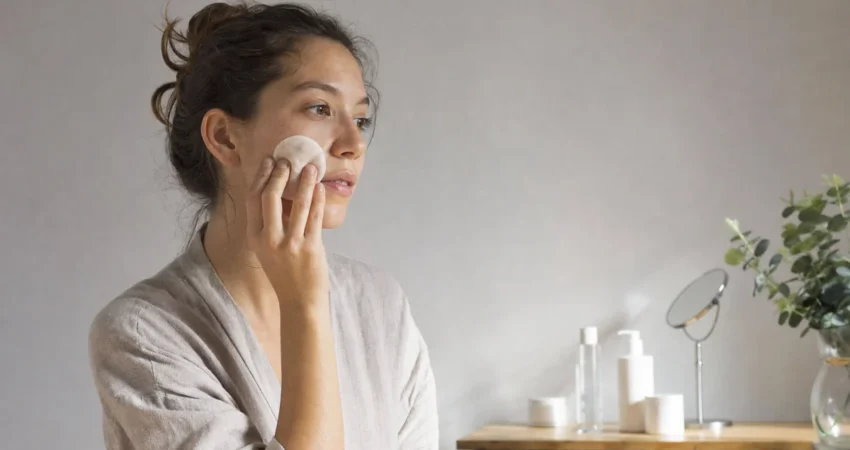
The global skincare market has witnessed a significant shift in consumer behavior over the last decade, driven largely by the innovations emerging from South Korea’s beauty industry, commonly known as K-Beauty. Among the most recent products to achieve viral status across social media platforms such as TikTok and Instagram are Korean toner pads. These pre-soaked cotton discs, designed to streamline the toning step of a skincare routine, have transitioned from a niche convenience item to a staple in many household regimens. However, as the popularity of these products grows, dermatologists and industry experts are urging consumers to look beyond the viral marketing and understand the specific chemical compositions and physical implications of using toner pads daily. The central question remains: are these pads a revolutionary advancement in dermatological care, or are they a redundant addition to an already crowded marketplace?
The Conceptual Evolution of Toner Pads in K-Beauty
To understand the rise of toner pads, one must examine the evolution of the Korean "10-step" skincare routine. Traditionally, toners were liquid-heavy products applied either with a separate cotton ball or patted directly onto the skin with the hands. Their primary purpose was to balance the skin’s pH levels after cleansing and to prep the skin for subsequent serums and moisturizers. As the industry moved toward "skip-care"—a trend emphasizing multi-functional products to save time—toner pads emerged as a hybrid solution.
A toner pad is essentially a dual-purpose tool: it provides the chemical benefits of a toner or essence while offering a degree of mechanical action through the texture of the pad itself. These pads are typically housed in a plastic jar, submerged in a concentrated liquid formula. Depending on the brand and intended use, the pads may have a "gauze" side for physical exfoliation and a "smooth" side for hydration and soothing. This convenience factor has resonated deeply with a demographic that values efficiency without wanting to sacrifice the perceived efficacy of a multi-step routine.

Categorization by Function: Hydration, Soothing, and Exfoliation
Not all toner pads are created equal, and the primary source of consumer error lies in the assumption that any pad can be used daily for any skin type. Formulations are generally categorized into three functional groups, each with its own set of active ingredients and recommended frequency of use.
1. Hydrating and Humectant-Rich Pads
These pads are designed for skin that suffers from dehydration or a compromised moisture barrier. They are typically saturated with humectants such as hyaluronic acid, glycerin, and polyglutamic acid. These ingredients work by drawing moisture from the environment into the upper layers of the epidermis. Because they lack aggressive active ingredients, these pads are generally considered safe for twice-daily use and can even be used as "mini-masks" by leaving them on the cheeks or forehead for several minutes.
2. Soothing and Anti-Inflammatory Pads
Targeted at sensitive or reactive skin, these pads often feature botanical extracts that have been staples in traditional Eastern medicine. Common ingredients include Centella Asiatica (Cica), Mugwort (Artemisia), Heartleaf (Houttuynia Cordata), and Panthenol (Provitamin B5). These formulations aim to reduce redness and calm heat-induced irritation. In the context of the modern "glass skin" trend, these pads help achieve a calm, even-toned complexion without the risk of chemical burns or over-stimulation.
3. Exfoliating and Resurfacing Pads
This category is the most potent and requires the highest level of caution. These pads contain chemical exfoliants, including Alpha Hydroxy Acids (AHAs like glycolic or lactic acid), Beta Hydroxy Acids (BHAs like salicylic acid), or Poly Hydroxy Acids (PHAs like gluconolactone). While they are effective at clearing pores and smoothing skin texture, the combination of chemical acids and the physical friction of the pad can be highly abrasive. Overuse of exfoliating pads is a leading cause of "over-exfoliation syndrome," characterized by a shiny but tight appearance, increased sensitivity, and breakouts.

The Science of the Skin Barrier and the Risk of Friction
Dermatological analysis of toner pads frequently focuses on the "stratum corneum," the outermost layer of the skin which serves as a protective barrier. While liquid toners applied with hands minimize mechanical stress, toner pads introduce friction. Even the softest cotton or biodegradable fiber pad exerts a level of physical force that can disrupt the lipid bilayer of the skin if used aggressively.
Data from clinical observations suggest that individuals with inflammatory conditions such as rosacea, eczema, or active cystic acne may experience exacerbated symptoms when using toner pads. The repetitive wiping motion can cause micro-tears or spread bacteria across the face. Furthermore, the "soaking" aspect of the pads means the skin is exposed to a high concentration of actives in a localized area, which can be more irritating than a thin layer of liquid spread across the entire face.
Market Trends and the Influence of "Skinfluencers"
The commercial success of toner pads is inextricably linked to the digital economy. According to market research reports, the K-Beauty market was valued at approximately $10 billion in 2023, with specialized skincare tools and pre-soaked treatments representing one of the fastest-growing segments. The visual nature of toner pads—showing a "dirty" pad after use or the dewy glow immediately following application—makes them ideal for short-form video content.
However, industry analysts note a disconnect between viral popularity and long-term dermatological health. "Skinfluencers" often promote the use of multiple types of pads in a single routine, a practice known as "multi-toning." While this may appear beneficial in a 60-second clip, the cumulative effect of layering different acids and botanical extracts can lead to contact dermatitis or ingredient interference, where one active neutralizes another or increases its toxicity.

Environmental Implications and the Shift Toward Sustainability
As the beauty industry faces increasing pressure to address its environmental footprint, the disposable nature of toner pads has come under scrutiny. Traditional pads are single-use items that contribute to landfill waste, and the plastic tubs they are housed in are often not easily recyclable due to the residue of the liquid formula.
In response, several leading Korean brands have begun implementing sustainable practices. This includes:
- Biodegradable Fibers: Shifting from synthetic blends to 100% cotton or bamboo fibers that break down more easily.
- Refillable Packaging: Selling "refill pouches" of pads that can be placed into the original plastic jar, reducing plastic consumption by up to 70%.
- Vegan and Cruelty-Free Certifications: Ensuring the liquid formulas and the manufacturing process of the pads themselves meet ethical standards.
Best Practices: A Protocol for Safe Integration
For consumers who wish to incorporate toner pads into their routine, experts recommend a disciplined approach to prevent barrier damage. The following protocol is suggested:
- Patch Testing: Before applying a pre-soaked pad to the entire face, test the formula on a small area of the neck or jawline for 24 hours to check for adverse reactions.
- Frequency Regulation: Exfoliating pads should be limited to 1–3 times per week, depending on skin tolerance. Hydrating pads may be used more frequently but are not strictly necessary if a high-quality serum is already in use.
- Application Technique: Use minimal pressure. The pad should glide across the skin. Avoid the delicate eye area and the corners of the nose where the skin is thinner and more prone to irritation.
- Sun Protection: If using pads containing AHAs or BHAs, the application of a broad-spectrum SPF 30 or higher during the day is mandatory, as chemical exfoliation increases photosensitivity.
- Observation of Warning Signs: At the first sign of stinging, persistent redness, or unusual dryness, use of the product should be discontinued immediately.
Conclusion: Necessity Versus Luxury
The rise of Korean toner pads represents a broader trend toward the "ritualization" of skincare. While they offer undeniable convenience and a sensory experience that many find appealing, they are not a dermatological necessity for every individual. For those with a healthy skin barrier and a consistent routine, a toner pad is a luxury—an optional step that can enhance the "glow" factor of the skin. For those with sensitive or compromised skin, they may represent an unnecessary risk.

Ultimately, the efficacy of a toner pad is determined by its ingredient list rather than its delivery format. As the market continues to expand, the responsibility falls on the consumer to educate themselves on the chemistry of their products. In the world of skincare, more is not always better; often, the most effective routine is the one that respects the biological limits of the skin and prioritizes long-term health over viral aesthetics.

0 Comments