
 Julia Prastini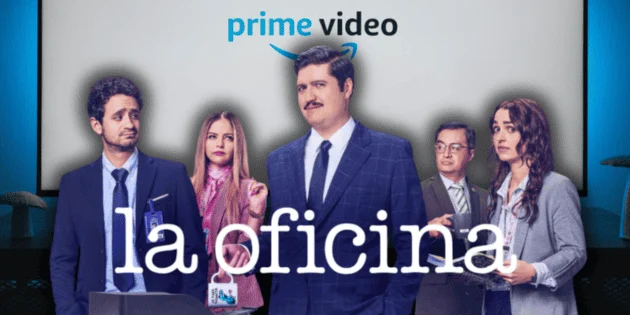
The Mexican iteration, which debuted on the Amazon streaming platform on March 13, has quickly established itself as a significant success, drawing substantial viewership and generating widespread discussion across social media channels. Despite initial mixed reactions from a dedicated fanbase accustomed to previous versions of the beloved mockumentary series, "La Oficina" ascended rapidly through Prime Video’s ranks, positioning itself among the platform’s most-watched content. However, for many viewers, the inaugural eight-episode run proved insufficient, leading to an outpouring of inquiries directed at the cast and production team regarding the possibility of a follow-up season.
The Global Phenomenon: Tracing "The Office" Legacy
To fully appreciate the context of "La Oficina’s" debut and the immediate demand for its continuation, it is essential to look back at the enduring legacy of "The Office" franchise. The concept originated in the United Kingdom, co-created by Ricky Gervais and Stephen Merchant, premiering on BBC Two in 2001. This seminal series, starring Gervais as the cringe-inducing regional manager David Brent, pioneered the "mockumentary" style, employing handheld cameras, direct-to-camera interviews, and awkward silences to depict the mundane yet often hilarious realities of office life at a paper company called Wernham Hogg. Its groundbreaking format and uniquely British humor earned critical acclaim and a devoted cult following.
The success of the UK original paved the way for numerous international adaptations, most notably the American version, which premiered in 2005. Developed by Greg Daniels for NBC, the U.S. "Office" transplanted the core premise to Dunder Mifflin Paper Company in Scranton, Pennsylvania, starring Steve Carell as the well-meaning but socially inept regional manager Michael Scott. While initially facing comparisons to its British predecessor, the American adaptation soon found its own voice, evolving into a cultural touchstone that ran for nine seasons, garnered multiple awards, and cemented its status as one of television’s most beloved sitcoms. Its blend of character-driven comedy, heartfelt moments, and relatable office dynamics resonated deeply with a global audience.
Beyond the UK and U.S. versions, "The Office" has been adapted in various countries, each infusing the format with local cultural nuances and comedic sensibilities. Examples include "Stromberg" (Germany), "Le Bureau" (France), "La Job" (Canada), "The Office: An Indian Workplace Comedy" (India), and "HaMisrad" (Israel). Each adaptation faces the unique challenge of maintaining the spirit of the original while successfully localizing the humor, characters, and situations to resonate with its specific national audience. This rich history of adaptation set a high bar and a complex set of expectations for "La Oficina" as it prepared to introduce its distinct Mexican flavor to the franchise.
"La Oficina" Takes Root in Aguascalientes
The development of "La Oficina" was met with considerable anticipation, particularly within the burgeoning Mexican streaming content landscape. Prime Video, a key player in the Latin American market, has been increasingly investing in local productions to cater to regional tastes and talent. The decision to adapt "The Office" for a Mexican audience underscored Amazon’s commitment to delivering culturally relevant programming.
The series centers around Jerónimo Ponce III, portrayed by Fernando Bonilla, who serves as the incompetent heir to the "Jabones Olimpo" factory in Aguascalientes. This setting is crucial, as it grounds the universal themes of office bureaucracy and human foibles within a distinctly Mexican industrial and social context. The plot meticulously follows Jerónimo, a boss blissfully unaware of his own professional shortcomings, a fact that is painfully clear to his long-suffering employees. Through its "falso documental" (mockumentary) style, the show expertly satirizes everyday workplace absurdities, managerial incompetence, and notably, the pervasive issue of nepotism, a common critique in many corporate environments, particularly within family-run businesses.
The announcement of the series, particularly after its trailer was released in February, generated a flurry of discussions. Fans of the preceding versions expressed a range of sentiments, from cautious optimism to skepticism, highlighting the pressure on "La Oficina" to carve out its own identity while honoring the beloved source material. The challenge for the creators was to successfully transpose the delicate balance of humor, pathos, and relatability that defines "The Office" into a new cultural setting, ensuring that the jokes landed, the characters felt authentic, and the underlying social commentary resonated with Mexican viewers.
A Resounding Debut and the Immediate Call for More
Upon its release on March 13, "La Oficina" swiftly confounded any initial doubts, proving to be an instant hit. The series quickly garnered a "buena audiencia" and established itself "entre los contenidos más vistos" on Prime Video. This rapid success was fueled not only by strong viewership numbers but also by an enthusiastic response on social media platforms. Viewers actively engaged with the series, sharing "los momentos más graciosos" and discussing their favorite characters and plotlines, a clear indicator of organic buzz and genuine audience connection.
The eight episodes of the first season, however, proved to be merely a tantalizing taste for many. The brevity of the season, a common strategy in streaming to test audience reception before committing to larger productions, left viewers wanting more. This hunger for additional content manifested in a deluge of questions and comments directed at the cast and Prime Video itself, with fans "bombardeando con preguntas al elenco para saber si habrá una segunda temporada." This immediate and fervent demand underscores the show’s successful capture of its audience and its effective translation of the franchise’s enduring appeal into a Mexican narrative. The swiftness with which this demand emerged speaks volumes about the show’s impact and its potential for long-term success.
Fernando Bonilla Breaks Silence on Season Two Prospects
Amidst the growing chorus of calls for more episodes, Fernando Bonilla, the actor bringing the bumbling yet endearing Jerónimo Ponce III to life, addressed the eager public. Bonilla, whose portrayal of the factory heir has been central to the show’s comedic appeal, found himself inundated with inquiries regarding the future of "La Oficina."
In a video shared on his TikTok account, Bonilla candidly confessed that, as of now, he possesses no official information regarding the launch of a second season. This transparency, while not providing the definitive answer fans hoped for, was coupled with a clear and strategic call to action. Recognizing the critical role audience engagement plays in streaming platform renewal decisions, Bonilla urged viewers to actively support the series. His message was unequivocal: "No tenemos ninguna información por el momento; lo mejor que podemos hacer para que haya una segunda, tercera, cuarta o quinta temporada, pues, es verla, recomendarla, que más gente la vea y volverla a ver, así, ojalá que nos renueven." He further elaborated on this strategy, encouraging fans to "convenzan a la gente que no la ha visto de que la vea y molesten a Prime Video en todas sus redes sociales exigiendo una nueva temporada."
Bonilla’s statement serves as a direct insight into the intricate mechanics of content renewal in the contemporary streaming era. Unlike traditional television, where ratings and advertising revenue were the primary drivers, streaming platforms like Prime Video rely on a complex algorithm of metrics. These include total viewership hours, completion rates (how many viewers watch a season to the end), subscriber acquisition and retention directly attributable to a specific show, and the level of social media buzz and engagement. A show that generates significant re-watches and encourages new subscriptions or prevents cancellations holds substantial value. Therefore, Bonilla’s plea for repeated viewing and active social media advocacy is not merely a request for support; it is a strategic directive aimed at bolstering the very data points that Prime Video will analyze when considering "La Oficina’s" future.
The Dynamics of Streaming Renewals: A Data-Driven Landscape
The decision-making process for renewing a series on a major streaming platform like Prime Video is a multifaceted and data-driven endeavor. It moves beyond simple critical acclaim or anecdotal popularity, delving deep into viewer behavior analytics.
Firstly, viewer engagement metrics are paramount. This includes the total number of unique viewers, the aggregate hours streamed, and, crucially, the completion rate of a season. A show with a high completion rate signals strong audience retention and satisfaction, indicating that viewers are invested enough to watch all available episodes. "La Oficina’s" immediate success and the rapid demand for more episodes suggest strong initial engagement, but continued re-watches, as Bonilla highlighted, would further solidify these numbers.
Secondly, subscriber impact is a key factor. Does "La Oficina" attract new subscribers to Prime Video? Does it contribute to retaining existing subscribers who might otherwise consider canceling their subscription? In a highly competitive streaming market, content that drives subscriptions is incredibly valuable.
Thirdly, cost-benefit analysis plays a significant role. Producing a series involves substantial investment in talent, crew, locations, and post-production. The platform must weigh the cost of a new season against its projected return in terms of viewership, subscriber impact, and overall brand value. Short initial seasons, like "La Oficina’s" eight episodes, are often a deliberate strategy to gauge audience response and cost-effectively test the waters before committing to a larger, more expensive production run.
Finally, social media sentiment and cultural impact are increasingly important. While not directly quantifiable in terms of dollars, a show that generates significant buzz, memes, and widespread discussion on platforms like TikTok, X (formerly Twitter), and Instagram creates cultural relevance and acts as free marketing. "La Oficina" has clearly achieved this, with viewers actively sharing humorous moments and demanding more content, aligning perfectly with Bonilla’s call to "molesten a Prime Video en todas sus redes sociales."
The current landscape of streaming content is characterized by an abundance of choice, making it challenging for any single show to cut through the noise. However, shows that manage to cultivate a dedicated and vocal fanbase, like "La Oficina" appears to have done, often stand a better chance of renewal. The timeline for such decisions can vary, typically ranging from a few weeks to several months after a season’s release, as platforms meticulously analyze all available data.
Cultural Nuances and the Art of Localization
The success of "La Oficina" hinges not just on replicating "The Office" formula, but on its skillful localization for a Mexican audience. The choice of setting – a soap factory in Aguascalientes – is a brilliant stroke, providing a distinct backdrop that allows for unique cultural humor. "Jabones Olimpo" grounds the narrative in a tangible, relatable industrial environment, moving away from the generic office park feel of some adaptations.
The show’s ability to satirize elements like "nepotismo" (nepotism) is particularly resonant in many Latin American contexts, where family connections can often influence professional advancement. This specific cultural critique, woven into the fabric of Jerónimo Ponce III’s character and his inherited position, offers a sharp, localized edge to the universal theme of incompetent management. The humor, while retaining the awkward, character-driven style of the original, likely incorporates Mexican colloquialisms, social dynamics, and workplace quirks that make it uniquely authentic to its target audience. The "falso documental" style, by its very nature, lends itself well to observing and gently mocking these cultural specificities, making the humor feel more intimate and insider.
This process of adaptation is a delicate balancing act. It requires understanding which core elements of "The Office" are universally appealing (the awkward boss, the unrequited office romance, the mundane tasks, the attempts at team building) and which need to be transformed to reflect local realities. "La Oficina" appears to have struck this balance effectively, earning the endorsement of a discerning audience that appreciates both the homage to the original and the fresh, localized perspective.
Broader Impact and Future Outlook
The success of "La Oficina" carries broader implications for the Mexican entertainment industry and for Prime Video’s strategy in Latin America. It demonstrates the robust demand for high-quality, locally produced content that can compete with international offerings. This investment in local adaptations not only provides entertainment but also stimulates job creation for actors, writers, directors, and production crews within Mexico, fostering the growth of the national creative economy.
For Prime Video, "La Oficina" reinforces its commitment to delivering diverse and regionally tailored content, a critical factor in attracting and retaining subscribers in a highly competitive market. By tapping into the global recognition of "The Office" brand and successfully localizing it, Amazon has potentially found a formula for future successes in other regions as well.
As fans eagerly await an official announcement regarding a second season, the immediate future of "La Oficina" remains in the hands of Prime Video’s data analysts and executive decision-makers. However, the strong initial reception, the enthusiastic social media engagement, and the direct appeal from its lead actor provide a compelling case for its renewal. The show has not only met but exceeded expectations, demonstrating that the universal appeal of an incompetent boss and the absurdities of office life can find a vibrant and hilarious new home in Aguascalientes. The collective efforts of its growing fanbase, as encouraged by Fernando Bonilla, could very well tip the scales in favor of more seasons, ensuring that Jerónimo Ponce III and the employees of Jabones Olimpo continue to entertain for years to come.

 Eva Lovia
 Julia Chirkova
 Nila Kartika Wati
 Jia Lissa
 admin
admin