
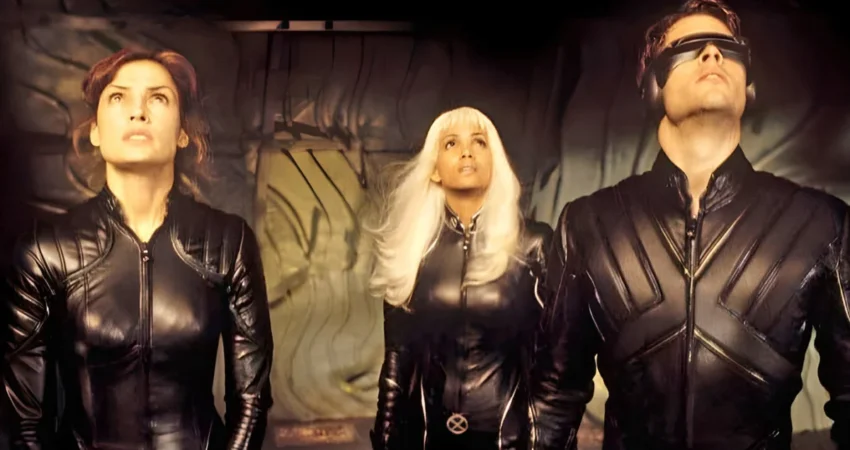
Marvel Studios has officially initiated the countdown to its most ambitious cinematic event of the decade, Avengers: Doomsday, by releasing a curated list of 15 essential films and series that fans must revisit to fully grasp the evolving narrative. Standing at the top of this chronological and thematic roadmap is the year 2000’s X-Men, the Bryan Singer-directed feature that effectively launched the modern era of superhero cinema. This inclusion marks a significant shift in the Marvel Cinematic Universe (MCU) strategy, formally integrating the legacy of 20th Century Fox’s mutant franchise into the primary continuity of the Avengers’ storyline. As the production for Doomsday nears its commencement, the studio is signaling that the boundaries between disparate film universes have been permanently dissolved, positioning the 24-year-old X-Men as a foundational pillar for the future of the franchise.
The Strategic Importance of X-Men 2000 in the Multiverse Saga
The inclusion of X-Men (2000) at the summit of the "Road to Doomsday" list is not merely a nostalgic gesture but a calculated narrative requirement. For over two decades, the X-Men film rights remained under the stewardship of 20th Century Fox, creating a legal and creative barrier between the mutants and the Avengers. Following Disney’s acquisition of Fox in 2019, Marvel Studios has been incrementally weaving these characters into the MCU. The decision to prioritize the original 2000 film suggests that the specific iterations of these characters—played by Patrick Stewart, Ian McKellen, and Hugh Jackman—are the versions most relevant to the upcoming conflict with Doctor Doom.
Avengers: Doomsday, scheduled for release in May 2026, will feature Robert Downey Jr. returning to the franchise, not as Tony Stark, but as Victor von Doom. To facilitate this transition and the high-stakes multiversal war expected in the film, the MCU is leaning heavily on the "Anchor Being" concept introduced in Deadpool & Wolverine. By directing audiences back to the year 2000, Marvel is establishing the historical weight of the mutant presence, ensuring that when these characters appear alongside the Avengers, their history and ideological conflicts are fresh in the minds of the global audience.
A Chronology of the Modern Superhero Era
To understand why X-Men (2000) is essential viewing, one must look at the state of the film industry at the turn of the millennium. Following the critical and commercial failure of Batman & Robin in 1997, the superhero genre was widely considered a financial risk. X-Men defied these industry expectations by adopting a grounded, serious tone that focused on social allegory rather than camp aesthetics.
The production of X-Men was famously difficult, with a budget of approximately $75 million—a modest sum by today’s standards. Despite these constraints, the film grossed $296.3 million worldwide, proving that ensemble-based superhero films could resonate with adult audiences. This success paved the way for Sam Raimi’s Spider-Man (2002) and eventually the launch of the MCU with Iron Man in 2008. By placing X-Men at the start of the Doomsday preparation list, Marvel Studios is acknowledging that the current MCU architecture would not exist without the groundwork laid by this specific film.
Supporting Data: Financial and Critical Impact
The financial trajectory of the X-Men franchise provides insight into why Marvel Studios views these legacy characters as vital assets for the box office recovery of the MCU. The original trilogy and its subsequent prequels and spin-offs have collectively grossed over $6 billion globally.
- X-Men (2000): $296 million (Budget: $75 million)
- X2: X-Men United (2003): $407 million (Budget: $110 million)
- X-Men: Days of Future Past (2014): $746 million (Budget: $200 million)
- Deadpool & Wolverine (2024): $1.3 billion (Budget: $200 million)
The recent success of Deadpool & Wolverine, which heavily referenced the 2000 film and brought back several cast members, demonstrated a massive "nostalgia premium." Audiences showed a clear preference for the original Fox-era character designs and actors. Marvel’s internal data likely suggests that the path to a multi-billion dollar performance for Avengers: Doomsday lies in synthesizing the current MCU roster with the iconic figures from the Fox era.

Plot Dynamics and Ideological Foundations
The narrative of X-Men (2000) introduced audiences to the fundamental conflict between Professor Charles Xavier (Patrick Stewart) and Erik Lehnsherr, also known as Magneto (Ian McKellen). Xavier’s philosophy of peaceful coexistence and integration stands in stark contrast to Magneto’s belief in mutant superiority and the inevitability of war between "Homo superior" and "Homo sapiens."
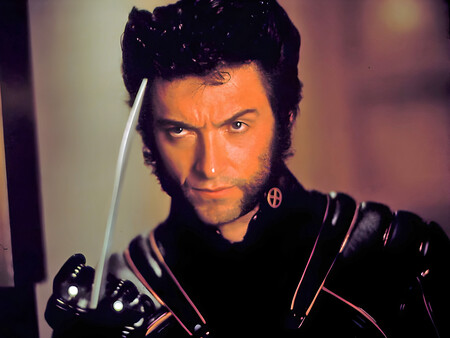
This ideological divide is expected to play a crucial role in the upcoming Avengers films. As the Multiverse collapses, different factions of heroes and villains will likely clash over how to preserve their respective realities. The themes of prejudice, survival, and the ethics of power established in the 2000 film provide the necessary context for the "Doomsday" scenario. Furthermore, the film served as the debut of Hugh Jackman as Wolverine, a character who has now officially transitioned into the MCU and is rumored to have a significant role in the battle against Doctor Doom.
Official Responses and Creative Direction
While Marvel Studios President Kevin Feige has remained tight-lipped about the specific plot points of Avengers: Doomsday, he has frequently cited the original X-Men as a personal inspiration. Feige served as an associate producer on the 2000 film, making the current integration a full-circle moment for his career. In recent press statements, Feige emphasized that the "Mutant Era" of the MCU has officially begun, and the "Road to Doomsday" list is the first formal guidance provided to the public regarding how to navigate this transition.
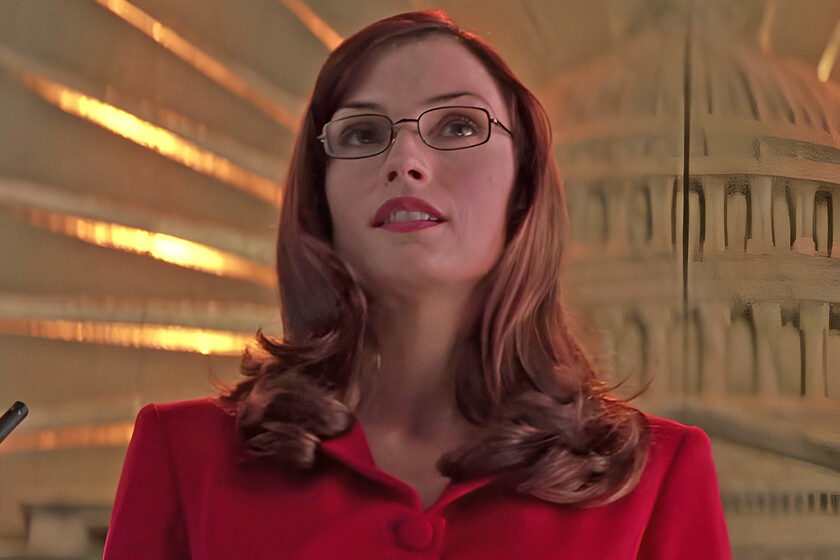
The Russo Brothers, who have returned to direct Doomsday and Secret Wars, have also hinted that their approach will involve "unprecedented scales of crossover." Industry analysts suggest that the return of legacy actors like James Marsden (Cyclops) and Famke Janssen (Jean Grey) is no longer a matter of "if" but "when." The 15-film list serves as a confirmation that the events of the Fox universe are now "canon" within the wider Marvel Multiverse, requiring viewers to understand the origins of these characters to appreciate their eventual roles in the MCU.
The Broader Impact on the Marvel Cinematic Universe
The decision to link Avengers: Doomsday so closely to a film from 2000 reflects a broader industry trend toward "legacy sequels" and the utilization of established IP to mitigate financial risk. For the MCU, this move is a strategic pivot away from the "Multiverse of Madness" and "Quantumania" era, which saw diminishing returns and mixed critical reception. By anchoring the future of the franchise in the beloved classics of the past, Marvel is attempting to rebuild the "event cinema" status that peaked with Avengers: Endgame.
Furthermore, this integration has significant implications for the Disney+ streaming platform. By designating these 15 titles as essential viewing, Disney is driving engagement for its back catalog. With the exception of Spider-Man: No Way Home, which is subject to complex licensing agreements between Disney and Sony, the entire "Road to Doomsday" list is hosted on Disney+. This creates a closed-loop ecosystem where marketing for the 2026 film directly bolsters the subscription value of the streaming service in 2024 and 2025.
Analysis of Implications for Phase 6
As the MCU enters Phase 6, the distinction between "Marvel Studios" and "Marvel Legacy" films is disappearing. The 15-film list, starting with X-Men, suggests that the narrative focus is shifting from introducing new characters to reconciling the vast history of Marvel on film. This approach carries both high rewards and significant risks. While it guarantees a high level of fan engagement, it also requires a complex level of continuity management to ensure that the internal logic of the Multiverse remains coherent.
The "Doomsday" title itself refers to one of the most formidable villains in comic book history. Unlike previous antagonists, Victor von Doom is a character who demands a world-building effort that spans multiple dimensions. By starting the journey with X-Men (2000), Marvel is reminding audiences of a time when the stakes were personal and the characters were grounded in a recognizable reality. As the countdown continues, each subsequent film on the list will likely bridge the gap further, moving from the grounded origins of the mutants to the cosmic and multiversal scale of the modern Avengers.

Conclusion: The Path Forward
The "Road to Doomsday" is more than a marketing campaign; it is a roadmap for the next chapter of cinematic history. By identifying X-Men (2000) as the first step, Marvel Studios has honored the pioneers of the genre while setting the stage for a collision of universes that was once thought impossible. Fans and new viewers alike are encouraged to begin their re-watch immediately, as the intricate web of characters and timelines is expected to converge in a manner that will redefine the superhero landscape for the next decade. With 18 weeks of focused preparation and a list of 15 essential titles, the journey to the reign of Doctor Doom has officially begun.

0 Comments