
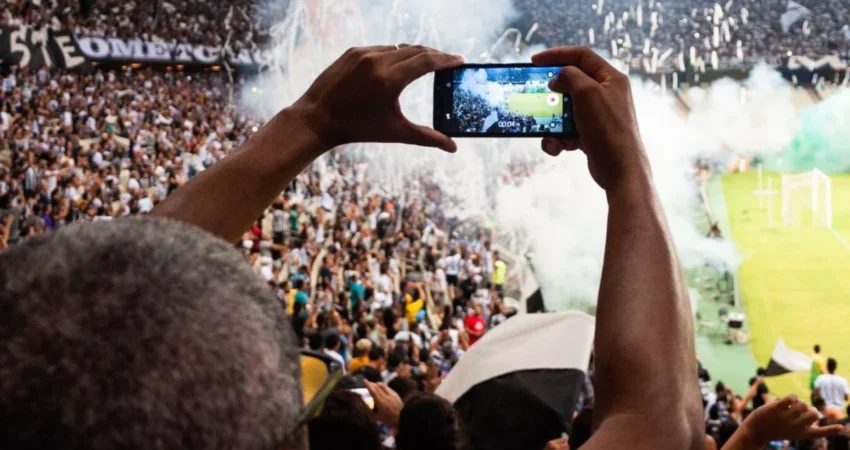
The landscape of sports consumption in Mexico has reached a definitive turning point as digital platforms and social media ecosystems displace traditional television as the primary windows for athletic engagement. According to the comprehensive IBM Sports Intelligence Report, released in mid-2026, the modern Mexican fan no longer views a match as a singular appointment in front of a living room television set but rather as a fragmented, multi-platform experience that spans real-time data, social interaction, and on-demand streaming. This transition, accelerated by the technological infrastructure surrounding major international events, highlights a fundamental shift in how one of the world’s most passionate sporting nations interacts with its favorite pastimes.
The study, conducted by Morning Consult in June 2026, surveyed more than 20,000 sports fans across 12 countries, with Mexico emerging as a global leader in the adoption of digital-first habits. The data reveals that for Mexican enthusiasts, following a sport now involves a complex web of social media feeds, subscription-based streaming services, and specialized applications. This evolution is not merely a change in hardware but a complete transformation of the consumer journey, where news, statistics, and creator-led commentary are as integral to the experience as the live broadcast itself.
The Digital Tipping Point: Streaming Overtakes Traditional Broadcasting
For decades, the dominance of traditional broadcast television in Mexico was considered unassailable, driven by the historical reach of major networks. However, the 2026 IBM report confirms that the hierarchy has officially inverted. For the first time in the history of the study, subscription-based streaming has become the leading platform for live sports consumption in Mexico. Currently, 28% of Mexican fans identify streaming services as their primary method for watching live events, compared to 25% who still rely on traditional television.

This shift represents a rapid acceleration over a remarkably short period. Data from 2025 indicated that traditional television held a 30% share of the market, while streaming lagged at 23%. Within twelve months, the market underwent a total reversal of positions. Analysts attribute this change to several factors, including the aggressive acquisition of sports rights by platforms such as ViX, Netflix, and Amazon Prime, as well as the improved penetration of high-speed fiber-optic internet across urban and semi-urban centers in Mexico.
While the gap between streaming and traditional TV in Mexico (three percentage points) is slightly wider than the global average—where streaming leads 30% to 29%—the trajectory suggests that linear broadcasting is entering a period of permanent decline in the sports sector. The primary drivers for this migration are convenience and content exclusivity. Globally, 43% of fans cite the ease of access provided by digital platforms as their main reason for switching, while 27% point to the availability of exclusive matches that are no longer aired on free-to-air or standard cable channels.
Social Media as the Primary Hub for Sports Engagement
Beyond the live broadcast, the way fans "consume" sports throughout the day has become almost entirely digitized. In Mexico, social media has solidified its position as the most used channel for sports content, with a staggering 73% of fans utilizing these platforms to stay informed. This figure is significantly higher than the global average of 60%, suggesting that the Mexican market is uniquely attuned to the social and communal aspects of sports.
The role of social media in Mexico extends far beyond checking scores. It has become a comprehensive ecosystem where fans consume short-form video highlights, engage in real-time debates, and follow the personal lives of athletes. This "always-on" engagement model has diminished the relevance of traditional sports journalism. For example, while 49% of Mexican fans still watch sports news on television, only 20% read traditional news articles or written reports, a figure that sits well below the 29% global average.

This disparity underscores a preference for visual and interactive content. A modern fan’s journey often begins with a notification on a social media platform regarding a significant play, followed by a quick check of live statistics on a dedicated app, and concluding with a post-game analysis provided by a content creator rather than a traditional pundit. This decentralized consumption model allows fans to curate their own experiences, moving away from the "one-size-fits-all" approach of legacy media.
The Rise of the Content Creator and the Influence of Gen Z
The IBM report highlights a significant demographic shift, particularly among Millennials and Generation Z, who are increasingly looking to independent content creators for their sports fix. Globally, 49% of sports fans follow at least one sports-focused content creator or influencer. In Mexico, this trend is particularly potent, as these creators often bridge the gap between the sport and other cultural pillars such as fashion, music, and technology.
The influence of these digital figures is profound; 70% of fans who follow creators admit that these influencers shape their opinions on topics extending beyond the field of play. This indicates that sports are no longer viewed in isolation but as part of a broader lifestyle package. For brands and advertisers, this shift necessitates a move away from traditional 30-second TV spots toward integrated partnerships within the creator economy, where the audience is more engaged and the trust levels are higher.
Chronology of the Digital Transformation (2024–2026)
The transition observed in the 2026 report is the culmination of several years of strategic shifts in the Mexican media landscape:

- 2024: Major telecommunications providers in Mexico began bundling multiple streaming services into single subscription tiers, reducing the friction for users to move away from traditional cable packages.
- 2025: The "Streaming Tipping Point" begins. Traditional TV usage for sports drops to 30%, while subscription streaming grows to 23%. Major domestic soccer leagues begin moving high-profile matches exclusively to digital platforms.
- Early 2026: Infrastructure upgrades ahead of the 2026 FIFA World Cup (co-hosted by Mexico) lead to a surge in mobile app usage and high-definition streaming capabilities across the country.
- June 2026: The IBM Sports Intelligence Report confirms that streaming (28%) has officially overtaken traditional TV (25%) in Mexico, and social media usage for sports reaches an all-time high of 73%.
The Fragmentation Crisis and the Demand for Integration
While the move to digital platforms offers unprecedented variety, it has introduced a new pain point for the consumer: fragmentation. As sports rights are split across an increasing number of platforms, fans are finding it difficult and expensive to keep track of their favorite teams. The report found that 39% of global fans feel frustrated by the need to manage multiple subscriptions. This frustration is even more acute among younger viewers, reaching 46% for Generation Z.
In response to this, there is a growing demand for a "centralized" sports application. The study reveals that 47% of fans would be likely to download and use a single app that aggregates content from various sources, including live streams, news, and statistics. However, a significant gap exists between the desire for convenience and the willingness to pay for it; only 29% of respondents said they would be willing to pay for such a centralized service.
To bridge this gap, fans identified specific features that would incentivize a subscription:
- Premium Transmissions: 61% want high-quality, reliable live feeds.
- All-in-One Access: 61% value the ability to find everything in one place.
- Exclusive Content and Ad-Free Experiences: 58% cited these as primary motivators.
AI and the Future of the Fan Experience
Perhaps the most forward-looking aspect of the report is the role of Artificial Intelligence (AI) in the sporting experience. Mexico stands out as a market with a high degree of technological optimism. While 59% of fans globally say they trust AI-generated sports content, that number jumps to 69% in Mexico. This includes AI-driven statistical analysis, automated match highlights, and personalized content recommendations.
Furthermore, the digital experience is increasingly bleeding into the physical world. During the past year, 33% of surveyed fans used apps to purchase tickets, 30% ordered food or beverages through digital platforms while at a stadium, and 29% purchased official merchandise via their mobile devices. In Mexico, digital expectations are rising faster than the global average, with 59% of fans stating their expectations for digital sports experiences have increased over the last two years, compared to 46% globally.
Implications for the Mexican Sports Industry
The findings of the IBM Sports Intelligence Report suggest that the "broadcast era" of Mexican sports has evolved into the "engagement era." For sports organizations, broadcasters, and sponsors, the implications are clear:
- Platform Agnosticism: Content must be optimized for a multi-screen environment. A fan may watch the game on a tablet while engaging with a community on a smartphone and checking stats on a smartwatch.
- Aggregation is Key: The market is ripe for "super-aggregators"—telecom companies or tech giants that can bundle fragmented services into a cohesive, user-friendly interface.
- The AI Advantage: With high levels of trust in AI, Mexican sports media can lead the way in implementing generative AI to create hyper-personalized fan experiences, from custom commentary to real-time data visualizations.
- Creator Partnerships: Traditional media outlets must find ways to collaborate with independent creators rather than compete against them, acknowledging their role as the new gatekeepers of fan attention.
In conclusion, while traditional television remains a significant player in the Mexican market, it is no longer the sun around which the sports universe orbits. The Mexican fan has become a digital nomad, moving fluidly between platforms in search of the most convenient, interactive, and comprehensive experience. As the industry moves toward 2027 and beyond, the winners will be those who can provide seamless integration in an increasingly fragmented digital world.

0 Comments