
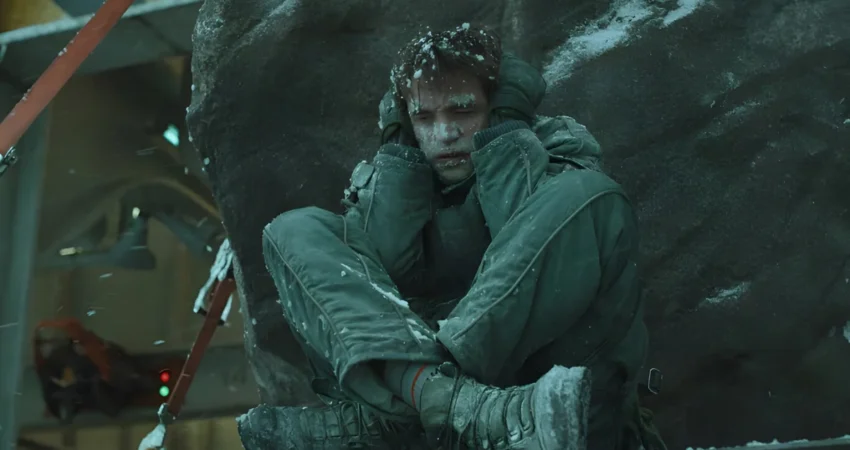
The arrival of Bong Joon-ho’s high-concept science fiction odyssey, Mickey 17, on global streaming platforms including Netflix and Max marks a significant moment for contemporary cinema, signaling a second life for a project that faced a complex journey through the traditional theatrical landscape. Directed by the Academy Award-winning filmmaker behind the 2019 sensation Parasite, the film serves as a stark exploration of labor exploitation, identity, and the dehumanization inherent in colonial expansion, all viewed through the lens of a darkly comedic space procedural. Starring Robert Pattinson in a dual-role performance that underscores his transition from blockbuster lead to a versatile character actor, Mickey 17 presents a narrative that challenges the conventional expectations of the science fiction genre. Despite a substantial production budget and the pedigree of its creative team, the film’s initial reception highlighted a growing disconnect between mainstream audience expectations for high-octane action and the nuanced, often uncomfortable, social commentary that defines Bong Joon-ho’s body of work.
The Narrative Framework: Cloning as a Corporate Utility
The premise of Mickey 17, adapted from Edward Ashton’s 2022 novel Mickey 7, centers on Mickey Barnes, an "Expendable" employed by a human colony sent to colonize the ice world of Niflheim. In this futuristic setting, the term "Expendable" is a literal job description rather than a figurative one. Barnes is a man who, in an effort to escape crushing debt and a stagnant life on Earth, signs a contract that essentially forfeits his humanity. His role is to undertake the most hazardous tasks required for the colony’s survival—tasks that involve lethal levels of radiation, atmospheric toxicity, and structural hazards. When Mickey dies, which occurs with grueling frequency, his body is regenerated via a biological printing process, and his consciousness is uploaded into a new clone, maintaining the majority of his memories but none of his rights.

The film meticulously details the mechanics of this existence. Mickey is treated not as a pioneer or a hero, but as a piece of equipment. The colony’s leadership, portrayed with a mixture of bureaucratic coldness and zealotry, views the Mickey iterations as interchangeable units. The conflict arises when one iteration, Mickey 17, survives a near-fatal accident only to return to the colony and find that Mickey 18 has already been printed. In the eyes of the corporate colony, "multiple" clones of the same individual are considered an illegal waste of resources and a threat to the social order, leading to a tense, existential game of survival where Mickey must hide his duplicate existence while navigating the crushing weight of his own disposability.
Production Context and Bong Joon-ho’s Creative Shift
The development of Mickey 17 represented a major milestone for Bong Joon-ho, being his first feature film following the historic success of Parasite, which became the first non-English language film to win the Academy Award for Best Picture. With a production budget estimated at $118 million, the film was a significant investment for Warner Bros. Pictures. Production primarily took place at Warner Bros. Studios, Leavesden, in the United Kingdom, beginning in August 2022. The scale of the project was vastly larger than Bong’s previous English-language efforts, such as Snowpiercer and Okja, reflecting his elevated status in the global film industry.
The casting of Robert Pattinson was a strategic move that combined star power with the actor’s proven track record in experimental and demanding roles. Following his success in The Batman, Pattinson sought out a project that allowed for a more eccentric and physically demanding performance. In Mickey 17, he is tasked with distinguishing between different versions of the same man—subtle shifts in posture, voice, and temperament that illustrate the psychological toll of repeated death and rebirth. The supporting cast, featuring Steven Yeun, Naomi Ackie, Toni Collette, and Mark Ruffalo, further solidified the film’s status as a prestige production, with Ruffalo in particular delivering a performance that satirizes the authoritarian tendencies of corporate leadership.

A Chronology of Release and Reception
The road to the screen for Mickey 17 was marked by several delays and shifts in strategy. Originally slated for a theatrical release in March 2024, the film was pushed back as the studio navigated a crowded release schedule and the lingering effects of industry-wide strikes. When the film finally reached audiences, it encountered a bifurcated response. While critics praised the film’s visual ingenuity and its biting critique of capitalism, the general public appeared less certain of how to categorize a film that blended existential dread with slapstick humor.
Financially, the film struggled to recoup its $118 million budget during its initial theatrical window. Industry analysts pointed to a "marketing-expectation gap," where trailers suggested a fast-paced action epic similar to Starship Troopers, while the actual product was a deliberate, dialogue-heavy satire. This disconnect resulted in a lukewarm box office performance that failed to mirror the universal acclaim of Parasite. However, the film’s transition to streaming services like Netflix and Max has initiated a critical re-evaluation. Data from streaming platforms indicates a high level of engagement among viewers who are increasingly seeking out "elevated" genre content that offers more than traditional spectacle.
Thematic Analysis: The "Disposable" Worker and Modern Labor
At its core, Mickey 17 is an extension of the themes Bong Joon-ho explored in Parasite and Snowpiercer. While Parasite examined the verticality of class in a domestic setting and Snowpiercer used a train as a metaphor for a rigid social hierarchy, Mickey 17 takes these concepts into the realm of the "gig economy" and corporate personhood. The character of Mickey Barnes represents the ultimate end-point of a labor market that prioritizes efficiency and cost-effectiveness over human life. By making the worker literally replaceable through cloning, the film removes the last barrier to total exploitation: the finality of death.
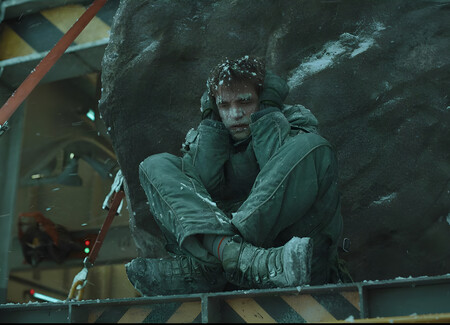
The satire is directed at a system that convinces individuals to trade their bodily autonomy for the promise of a "fresh start" or the clearance of debt. Mickey’s willingness to die for the colony is not born of bravery, but of a lack of options—a reflection of modern economic pressures where workers often feel like "disposable" parts in a vast industrial machine. The film’s humor, often described as "pitch black," stems from the absurdity of Mickey’s situation. The casual nature with which his deaths are treated by his superiors highlights a chilling lack of empathy that resonates with contemporary critiques of corporate culture and the erosion of labor rights.
Comparative Reception and the Action-Satire Divide
One of the primary reasons cited for the film’s initial commercial struggle was its subversion of genre tropes. Science fiction audiences, particularly those accustomed to the blockbuster format, often expect a clear hero’s journey punctuated by escalating stakes and physical confrontation. Mickey 17, however, focuses on the banality of Mickey’s existence. Much of the film’s tension is derived from administrative errors and the logistical nightmare of hiding a duplicate person, rather than interstellar combat.
Critics have noted that this "anti-action" approach is precisely what makes the film a masterpiece of the genre. By denying the audience the easy release of a traditional climax, Bong Joon-ho forces a confrontation with the uncomfortable reality of the protagonist’s life. The film’s failure to resonate with the "popcorn" movie crowd is seen by many as a badge of honor, placing it in the company of other misunderstood sci-fi classics like Blade Runner or Brazil, both of which were initially dismissed for their unconventional pacing and tonal shifts before being recognized as foundational works of cinema.

Broader Impact and the Future of High-Concept Sci-Fi
The legacy of Mickey 17 is likely to be defined by its life on streaming platforms rather than its theatrical box office. In an era where mid-to-high-budget original science fiction is increasingly rare, the film stands as a testament to the importance of auteur-driven storytelling. The fact that a major studio was willing to back a $100 million+ satire about the horrors of labor suggests that there is still an appetite for risk-taking in Hollywood, even if the financial rewards are not immediate.
Furthermore, the film’s success on Netflix and Max suggests a shift in how audiences consume complex narratives. The ability to pause, re-watch, and discuss themes in a digital space allows for a deeper engagement with Bong Joon-ho’s intricate world-building. As the film reaches a wider audience, its commentary on the "disposable" nature of the modern worker is likely to remain relevant, perhaps even more so as discussions regarding automation, artificial intelligence, and the future of work continue to dominate the global conversation.
In conclusion, Mickey 17 is a film that demands to be seen not as a failed blockbuster, but as a successful provocation. It utilizes the grand scale of science fiction to tell a story that is intimately concerned with the most grounded of human experiences: the desire to be seen as more than just a resource. Through the combined talents of Bong Joon-ho and Robert Pattinson, the film offers a vision of the future that is as hilarious as it is horrifying, ensuring its place as a significant, if initially undervalued, contribution to 21st-century cinema. Its availability on streaming ensures that the story of Mickey Barnes—in all his iterations—will continue to provoke thought and debate for years to come.

0 Comments