

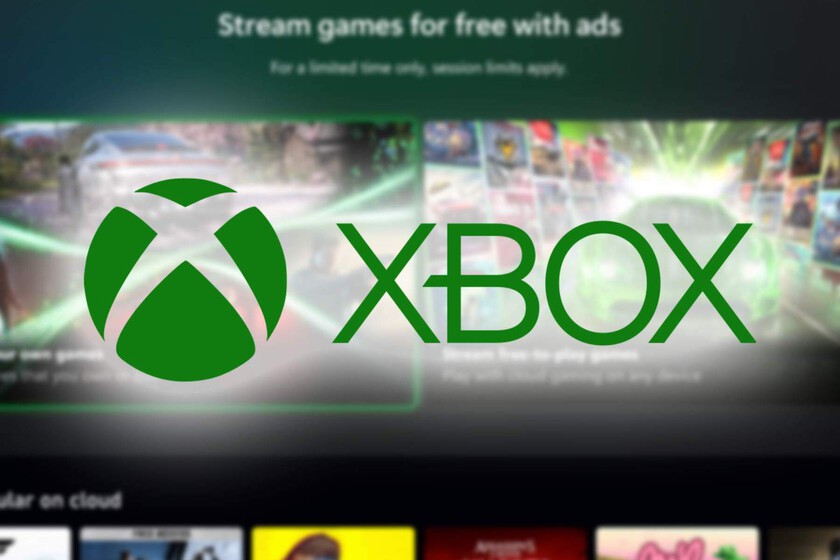
Microsoft has officially initiated a transformative pilot program within its Xbox Insider ecosystem, marking a significant strategic pivot in how the company delivers digital interactive entertainment. This initiative, currently being tested by Xbox Insiders in various regions including Mexico, introduces a tier of Xbox Cloud Gaming that allows users to access a curated selection of titles without a paid subscription, provided they view advertisements before their gaming sessions. This move signals Microsoft’s intent to lower the barrier to entry for high-fidelity gaming, moving away from a strictly premium subscription model toward a more inclusive, ad-supported framework that mirrors the evolution of video streaming giants like Netflix and Disney+.
Historically, Xbox Cloud Gaming (formerly known as Project xCloud) has been a value-added feature exclusive to the Xbox Game Pass Ultimate tier, which currently carries a monthly premium. By decoupling the cloud streaming technology from the mandatory subscription fee, Microsoft is exploring a "freemium" model that could potentially reach billions of players who do not own dedicated gaming hardware or who cannot commit to a monthly recurring cost. The program allows participants to stream games directly to their consoles, PCs, or mobile devices, utilizing Microsoft’s massive Azure-based server infrastructure to handle the heavy computational load.
The Evolution of the Ad-Supported Model in Digital Media
The decision to integrate advertisements into the Xbox ecosystem is not an isolated event but rather a reflection of a broader trend across the digital landscape. For over a decade, the gaming industry has observed the success of the "Free-to-Play" (F2P) model, exemplified by titles such as Fortnite, League of Legends, and Roblox. These games generate billions in revenue through microtransactions and in-game advertising while maintaining a zero-dollar entry fee. However, the application of this model to "traditional" or AAA console games via cloud streaming represents a new frontier for Microsoft.
Industry analysts note that the subscription market is reaching a point of saturation in developed economies. As of early 2024, Microsoft reported that Xbox Game Pass had surpassed 34 million subscribers. While impressive, maintaining growth requires tapping into emerging markets where hardware costs—often inflated by import taxes and local economic conditions—remain a significant hurdle. An ad-supported cloud tier effectively removes the $500 hardware barrier and the $20 monthly subscription barrier, replacing them with a few minutes of marketing content. This strategy aligns with Microsoft’s long-stated goal of reaching the "three billion gamers" globally.
Technical Implementation and the Xbox Insider Program
The current testing phase is restricted to the Xbox Insider Hub, a community-driven platform where Microsoft deploys experimental features to gather telemetry and qualitative feedback. Users in participating regions can download the Xbox Insider Hub app on Xbox Series X|S, Xbox One, or Windows PCs to opt into the "Game Streaming Ad-Supported" preview.
The primary mechanic of the pilot involves a "pre-roll" advertisement. Before a cloud gaming session begins, the user is prompted to watch a high-definition video advertisement. Once the advertisement concludes, the user is granted access to the game session. Microsoft has emphasized that these advertisements are designed to be non-intrusive to the actual gameplay experience. Unlike mobile games that often interrupt play with "mid-roll" ads, Microsoft’s current approach focuses on the loading phase, utilizing the time it takes to allocate a server blade to the user to deliver the marketing message.
Furthermore, this pilot program serves as a critical bridge for legacy hardware. Owners of the Xbox One, a console launched in 2013, are increasingly finding themselves unable to play the latest "next-gen" releases like Starfield or Forza Motorsport, which require the power of the Xbox Series X|S. Through cloud gaming, these older consoles act as thin clients, streaming the Series X-version of the game from the cloud. By making this accessible via ads, Microsoft extends the lifecycle of older hardware and ensures that its newest software reaches the widest possible audience.
Chronology of Microsoft’s Cloud and Ad Strategy
The path to this pilot program has been paved by several years of infrastructure development and strategic partnerships.
- October 2018: Microsoft announces "Project xCloud," its vision for a global game-streaming service.
- September 2020: Xbox Cloud Gaming officially launches as part of Xbox Game Pass Ultimate on Android devices.
- June 2021: Microsoft begins updating its data centers with custom Xbox Series X hardware to improve cloud performance and latency.
- May 2022: In a landmark move, Microsoft partners with Epic Games to offer Fortnite for free on Xbox Cloud Gaming without a subscription. This served as the unofficial proof-of-concept for the current ad-supported model.
- December 2023: Reports surface regarding Microsoft’s "Gaming for Everyone" initiative, which aimed to monetize "lost time" in loading screens and menus through targeted ads.
- July 2024: The official announcement of the ad-supported pilot for Xbox Insiders, marking the first time the company has formalized a "watch-to-play" mechanic for its broader library.
Strategic Objectives and Market Data
Microsoft’s push into advertising is supported by compelling economic data. The global video game advertising market is projected to grow significantly, with some estimates suggesting a valuation of over $17 billion by 2030. By controlling the platform, the distribution network (Azure), and the advertising stack, Microsoft is vertically integrated to capture a massive share of this revenue.
Internal data likely suggests that a significant portion of the gaming population is "time-rich but cash-poor," particularly in demographics aged 13 to 24. For these users, the exchange of 30 to 60 seconds of time for an hour of high-quality gaming is a favorable trade. For Microsoft, this model provides a steady stream of Average Revenue Per User (ARPU) that does not rely on the volatility of one-time game purchases or the high churn rates of monthly subscriptions.
Additionally, the advertising data gathered from this program is invaluable. Microsoft can leverage its existing Bing and LinkedIn advertising networks to provide highly targeted, relevant ads to gamers, increasing the value of each impression. However, the company has been careful to state that player privacy and the integrity of the gaming experience remain top priorities. The guiding principles shared by the company indicate that ads must be "additive" to the experience rather than "subtractive."
Industry Reactions and Competitive Landscape
The reaction from the broader gaming community and industry analysts has been a mix of cautious optimism and scrutiny. Competitors like Sony (PlayStation Plus) and NVIDIA (GeForce Now) currently rely on traditional subscription tiers. While NVIDIA offers a free tier for GeForce Now, it involves long wait times in virtual queues and limited session lengths. Microsoft’s ad-supported model could potentially offer a more seamless experience by using the ad to "pay" for the user’s priority in the queue.

Analysts suggest that if Microsoft successfully scales this model, it could force a shift in the entire industry. "We are seeing the ‘Netflix-ification’ of gaming," says one industry consultant. "Just as streaming services realized they couldn’t survive on subscriptions alone and needed an ad-supported tier to capture the bottom of the pyramid, Microsoft is realizing that the ‘Game Pass’ model needs a free entry point to truly become the ‘Netflix of Games’."
However, some players express concern over the potential for "slippery slope" implementation. The fear is that ads might eventually migrate from the loading screens into the games themselves, appearing on virtual billboards or within character dialogue. Microsoft has sought to alleviate these concerns by focusing the current test entirely on the pre-session experience, framing it as a gateway rather than an interruption.
Broader Implications for the Future of Gaming
The implications of an ad-supported Xbox Cloud Gaming service extend beyond mere revenue. It represents a fundamental shift in the definition of a "platform." In this new model, the "Xbox" is no longer a box under the TV; it is an application that exists on smart TVs, smartphones, tablets, and web browsers.
For developers, this model offers a solution to the "discoverability" crisis. With thousands of games released every year, getting players to even download a demo is a challenge. A "click-to-play" ad-supported model allows a developer to put their game in front of a user instantly. If a player sees a trailer for a game, they could theoretically click a "Play Now" button, watch a brief ad, and be inside the game world within seconds. This frictionless entry could revolutionize game marketing and player acquisition.
As the pilot program progresses, Microsoft will be looking closely at several key metrics:
- Retention: Do ad-supported users return as frequently as paying subscribers?
- Conversion: Does the ad-supported tier act as a "funnel" that eventually leads users to purchase a full Game Pass subscription?
- Ad Sentiment: How do users react to the specific types and lengths of advertisements presented?
- Technical Stability: Does the influx of "free" users put an unsustainable strain on Azure server availability?
The results of this test in Mexico and other Insider regions will dictate the global rollout strategy. If successful, the gaming landscape may soon enter an era where the latest blockbuster titles are accessible to anyone with an internet connection and a few moments to spare for a commercial break. This move reinforces Microsoft’s commitment to a "platform-agnostic" future, where the hardware is secondary to the ecosystem and the content it provides.

0 Comments