
The culinary landscape of Mexico City has undergone a significant transformation over the last decade, evolving from a hub of traditional gastronomy into a global laboratory for cross-cultural experimentation. The latest addition to this vibrant scene is Nota, a restaurant located in the Escandón neighborhood that seeks to transcend the conventional boundaries of the dining experience. Founded by siblings Katherine and Diego Morales, Nota—an acronym for "None of the Above"—is positioned not merely as a commercial establishment but as a cultural bridge between the architectural austerity of Chicago and the social warmth of the Mexican capital. By eschewing rigid culinary classifications and focusing on the nuances of the "tavern-style" pizza, the Morales siblings have introduced a concept that prioritizes long-term familiarity over the fleeting spectacle of modern fine dining.
A Synthesis of Geographic and Personal Histories
The genesis of Nota is rooted in the personal histories of Katherine and Diego Morales, who spent their formative years in Chicago. This American upbringing provided the foundation for their professional identities: Diego developed a dual sensibility for the culinary arts and the fashion industry, while Katherine built an extensive career in hospitality operations. Upon relocating to Mexico City, the siblings sought to create a space that reflected their hybrid identity—a version of Chicago reimagined through the lens of their adopted home.
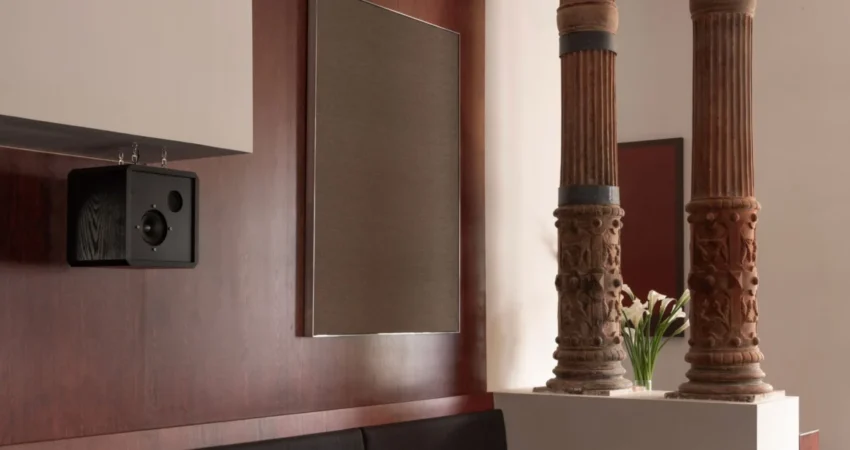
The choice of the Escandón neighborhood is indicative of a broader trend in Mexico City’s urban development. While the neighboring districts of Roma and Condesa have reached a point of commercial saturation, Escandón has emerged as a preferred destination for independent entrepreneurs seeking a more authentic, residential atmosphere. Located at Cerrada de La Paz 15, Nota occupies a structure that formerly served as the headquarters for a religious organization. This historical layers are intentionally preserved within the restaurant’s design, where original protected columns and decades of patina serve as a silent testament to the building’s previous life.

The Culinary Proposition: Beyond the Deep Dish
Central to the identity of Nota is the introduction of "tavern-style" pizza to the Mexico City market. While the "deep dish" variety is often the most internationally recognized export of Chicago, the tavern-style pizza represents the authentic preference of the city’s working-class neighborhoods. This style is characterized by a thin, ultra-crispy crust that is traditionally cut into small squares—often referred to as a "party cut"—rather than the standard triangular wedges.
Diego Morales has applied a rigorous technical approach to this traditional format. The dough undergoes a long fermentation process to ensure digestibility and a complex flavor profile, utilizing high-quality flour and organic tomatoes. The decision to serve square-cut slices is a deliberate nod to the communal nature of Chicago’s neighborhood taverns, where food was designed to be shared over drinks and extended conversation. By pairing these pizzas with sophisticated cocktails, such as precisely executed martinis, Nota bridges the gap between casual comfort food and an elevated bar program.
The menu deliberately avoids the "fusion" label. While the techniques and ingredients reference Italian and American traditions, the siblings maintain that the restaurant is a reflection of their own specific journey rather than an attempt to replicate a specific national cuisine. This "None of the Above" philosophy allows the kitchen the freedom to incorporate family recipes and local Mexican ingredients without the burden of maintaining "authentic" Italian or American standards.
Architectural Language and the Influence of Modernism
The aesthetic of Nota is a carefully curated dialogue between two distinct eras of modernism. The interior design draws heavily from the Chicago School of architecture, specifically the functionalist precision and structural honesty associated with Ludwig Mies van der Rohe. This is balanced by more organic references to Frank Lloyd Wright, ensuring the space feels grounded rather than clinical.

The integration of these influences is executed through a local Mexican lens. The furniture is produced by local artisans, and the lighting is designed to facilitate the "sobremesa"—the uniquely Spanish and Latin American tradition of lingering at the table long after the meal has ended. In a nod to Diego’s background in the fashion industry, the space features textiles designed by Raf Simons, adding a layer of contemporary high-design to the mid-century inspired environment. The result is an atmosphere that evokes the cosmopolitan spirit of 1960s Milan and Mexico City, emphasizing a "quiet luxury" that focuses on materials and proportions rather than overt branding.
Chronology of Development and Urban Impact
The development of Nota followed a meticulous timeline that reflects the siblings’ commitment to architectural preservation and community integration:
- Site Acquisition (Late 2022): The Morales siblings identified the former religious facility in Escandón as the ideal site for their concept, drawn to its historical character and the neighborhood’s emerging status.
- Design and Research Phase (2023): Diego Morales began perfecting the tavern-style dough recipe while collaborating with architects to ensure the preservation of the building’s original columns and structural elements.
- Construction and Curation (Early 2024): The interior was outfitted with a mix of international design elements, such as the Raf Simons textiles, and custom-made local furniture.
- Inauguration (2024): Nota opened its doors, positioning itself as a neighborhood anchor that encourages repeat visits rather than one-time tourism.
The impact of such a project on the Escandón neighborhood is multifaceted. As Mexico City continues to grapple with the effects of gentrification and the influx of digital nomads, projects like Nota represent a middle ground. By focusing on the "sobremesa" and creating a space intended for residents to consider "their own," the Morales siblings are attempting to foster a sense of permanence. Katherine Morales has noted that the concept of the "sobremesa" was one of the most striking cultural differences she encountered when moving from Chicago to Mexico City. In the United States, the hospitality industry often prioritizes "turning tables" to maximize profit; at Nota, the architecture and service model are specifically designed to discourage rushing, favoring the social ritual of the long meal.
Market Analysis and Future Implications
From a business perspective, Nota enters a highly competitive Italian-American segment in Mexico City. However, its refusal to fit into a specific category provides a unique market advantage. According to recent hospitality data, consumer preferences in Mexico City are shifting toward "niche authenticity"—concepts that tell a specific, personal story rather than those that offer a generic international experience.

The success of Nota could signal a shift in how international concepts are imported into the Mexican market. Rather than a literal reconstruction of a foreign style, Nota offers a "reinterpretation" that respects the local context. The inclusion of high-design elements like Raf Simons textiles alongside square-cut "neighborhood" pizza suggests that the modern diner is increasingly comfortable with high-low cultural blending.
Furthermore, the restaurant’s location in Escandón contributes to the decentralization of Mexico City’s high-end dining scene. As more premium concepts move into traditionally residential neighborhoods, the urban fabric of the city becomes more polycentric. This trend has implications for local real estate and the preservation of neighborhood character, making it essential for new establishments to engage meaningfully with their surroundings, as Nota has done through its architectural choices and community-focused philosophy.
Conclusion: A New Paradigm for the Neighborhood Tavern
Nota stands as a sophisticated experiment in cultural synthesis. By bringing the forgotten "tavern-style" pizza of Chicago to the heart of Mexico City and housing it within a space that honors both Mies van der Rohe and the Mexican tradition of the sobremesa, Katherine and Diego Morales have created something that defies easy categorization.
The name "None of the Above" is ultimately a declaration of independence from the expectations of the globalized food industry. It suggests that the most compelling dining experiences are those that cannot be easily labeled, but instead are felt through the quality of the ingredients, the thoughtfulness of the design, and the warmth of the conversation. As Nota continues to establish itself in the Escandón neighborhood, it serves as a reminder that the best restaurants are not those that seek to dazzle for a single night, but those that invite the guest to return, time and again, until the space feels like home.

0 Comments