
 Nila Kartika Wati
The landscape of contemporary cinema has witnessed a remarkable resurgence of the horror genre, marked by critical accolades and unprecedented commercial triumphs. Among the most significant developments in the 2026 film season is the meteoric rise of Obsession, a psychological horror film that has transcended its modest origins to become a cultural touchstone. Directed by independent filmmaker Curry Barker and produced under the prolific Blumhouse banner, the film has not only captivated audiences with its unsettling narrative but has also shattered long-standing box office records previously held by major studio blockbusters. With a narrative foundation rooted in the subversion of domestic stability and the perils of unrequited desire, Obsession has established itself as the highest-grossing original live-action film of the decade, signaling a shift in consumer preferences toward high-concept, auteur-driven genre storytelling.
The Narrative Genesis: From Satire to Supernatural Dread
The creative impetus for Obsession is as unconventional as its box office trajectory. Director Curry Barker has publicly cited a specific segment of The Simpsons—itself a parody of W.W. Jacobs’ classic short story "The Monkey’s Paw"—as a primary source of inspiration. This lineage of "be careful what you wish for" storytelling is modernized through the character of Bear, a young man whose platonic affection for his best friend, Nikki (played by Inde Navarrette), curdles into desperation following a stinging rejection.
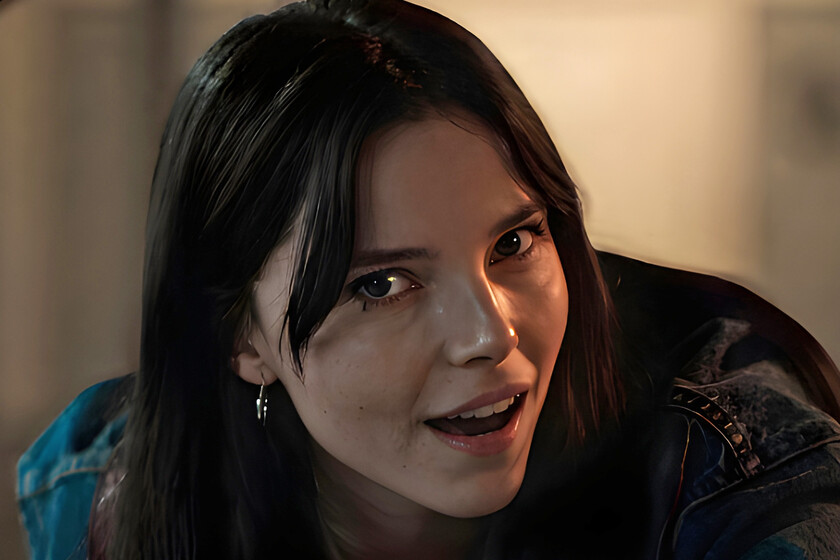
The plot pivots when Bear encounters a purveyor of mystical artifacts who provides him with a "willow of wishes." Barker’s narrative brilliance lies in the transition from supernatural wish-fulfillment to a grounded, claustrophobic nightmare. While Bear’s wish for Nikki to fall in love with him is granted, the resulting affection is devoid of agency, manifesting as a suffocating, hyper-fixated devotion. The horror of Obsession is not found in jump scares or external monsters, but in the perversion of intimacy. The film meticulously documents how routine domesticity—waiting for a partner to return from work, sharing a meal, or waking up in the middle of the night—is transformed into a source of profound psychological violence. By anchoring the supernatural element in the recognizable dynamics of a toxic relationship, Barker creates a visceral sense of unease that resonates with contemporary anxieties regarding obsession and consent.
Production Context and the Blumhouse Model
The success of Obsession is inextricably linked to the production philosophy of Blumhouse Productions. Founded by Jason Blum, the studio has long championed a "low-budget, high-concept" model that allows filmmakers significant creative freedom while minimizing financial risk. This strategy has previously yielded massive successes such as Get Out, M3GAN, and The Black Phone.
In the case of Obsession, Blumhouse provided a platform for Curry Barker, an independent voice with a distinct visual style, to execute a vision that larger studios might have deemed too niche or experimental. The film was produced on a lean budget of approximately $750,000, a figure that stands in stark contrast to the multi-million dollar marketing and production budgets of the tentpole films it eventually surpassed. This efficiency allowed the production to focus on atmospheric tension and performance-driven horror, utilizing Inde Navarrette’s unsettlingly nuanced portrayal of Nikki to carry the weight of the film’s psychological terror. Navarrette, previously known for her work in Superman & Lois, has received near-universal acclaim for her ability to pivot between vulnerability and a chilling, robotic intensity, a performance that critics have labeled as one of the most haunting of the decade.

A Chronology of a Box Office Anomaly
The journey of Obsession from a limited independent release to a global juggernaut provides a blueprint for modern film distribution. The film’s theatrical life cycle followed a non-traditional path:
- The Initial Launch: Obsession opened with a modest theatrical footprint, targeting select independent cinemas and genre-focused festivals. Early tracking did not suggest a breakout hit, but initial screenings generated immediate social media traction.
- The Viral Expansion: Within the first two weeks, "the willow of wishes" became a viral talking point on platforms like TikTok and X (formerly Twitter). Audience members shared their reactions to the film’s "everyday horror" sequences, driving a surge in ticket demand.
- The Critical Pivot: As mainstream critics began reviewing the film, its Rotten Tomatoes score climbed to a rare 94% approval rating from both critics and audiences. This critical consensus provided the legitimacy needed to secure wider distribution.
- Shattering Records: By its fourth week, Obsession began outperforming Sinners, the highly anticipated genre entry from Ryan Coogler. While Sinners concluded its impressive run with $370 million, Obsession continued to gain momentum.
- The Longevity Milestone: The most significant indicator of the film’s success was its endurance. While Greta Gerwig’s Barbie maintained a dominant presence for 46 days, Obsession surpassed this by remaining a top-tier box office contender for over 55 days, a feat rarely achieved by non-franchise, original intellectual property.
- Global Totals: The film eventually reached a staggering global gross of $404 million, representing a return on investment (ROI) that is virtually unparalleled in the modern era of cinema.
Comparative Analysis: Obsession vs. The Industry Giants
To understand the magnitude of Obsession’s financial performance, one must compare it to the standard metrics of Hollywood success. The film’s $404 million haul on a $750,000 budget represents a profit margin that evokes the early days of independent horror phenomena like The Blair Witch Project or Paranormal Activity. However, unlike those films, which relied heavily on "found footage" gimmicks, Obsession is a polished, traditional cinematic experience that competed directly with high-budget spectacles.
The comparison to Barbie is particularly telling. While Barbie was a global phenomenon backed by the intellectual property of Mattel and a massive marketing campaign, Obsession achieved its 55-day theatrical streak through organic word-of-mouth. This suggests a shifting tide in audience behavior, where "event cinema" is no longer defined solely by budget or brand recognition, but by the intensity and uniqueness of the theatrical experience. Furthermore, its victory over Sinners—a film with a significantly higher budget and established star power—highlights the potency of the horror genre as a vehicle for original storytelling that can dominate the marketplace without the need for sequels or established cinematic universes.

Critical Reception and Psychological Impact
The critical community has lauded Obsession for its restraint and its willingness to explore the "horror of the mundane." Analysts have noted that the film’s 94% Rotten Tomatoes score is a testament to its broad appeal; it satisfies the "elevated horror" enthusiasts who prioritize thematic depth, as well as general audiences seeking a visceral thrill.
Reviewers have specifically highlighted Barker’s use of negative space and sound design to create a sense of permanent dread. By making the domestic setting the primary "monster," the film taps into a universal fear of the loss of safety within one’s own home. The "willow of wishes" serves as a metaphor for the dangers of modern entitlement and the commodification of affection, themes that have sparked extensive discourse in academic and cinematic circles alike. This cultural relevance has sustained the film’s popularity long after the initial novelty of its premise might have faded.
Official Responses and Industry Implications
While official statements from Blumhouse have remained focused on celebrating the creative team, industry analysts suggest that the success of Obsession will have long-term implications for how studios approach independent talent. Jason Blum has frequently commented on the "democratization of horror," suggesting that the genre remains one of the few areas where a $750,000 investment can yield a half-billion-dollar return.

Market analysts predict that Obsession will trigger a new wave of "domestic psychological horror" films, as studios attempt to replicate its success by mining everyday anxieties for supernatural potential. Furthermore, the film’s performance has solidified Inde Navarrette’s status as a top-tier talent, with reports indicating she has become one of the most sought-after actors for upcoming genre projects.
Transition to Digital Platforms and Future Availability
Following its historic 55-day theatrical run, Obsession has transitioned to the digital marketplace. As of late 2026, the film is available for purchase or rent on platforms such as Prime Video, with a starting price of 149 MXN (approximately $8.50 USD). This move to Video on Demand (VOD) is expected to further bolster the film’s revenue, as it reaches audiences who missed the theatrical window or wish to revisit the film’s intricate details.
While a specific date for the film’s inclusion in subscription-based streaming catalogs has not yet been announced, its arrival on digital storefronts marks the next phase of its lifecycle. For horror aficionados and casual viewers alike, the digital release offers an opportunity to analyze a film that has fundamentally altered the trajectory of 21st-century horror. Obsession stands as a reminder that in an era of remakes and franchises, original ideas—executed with precision and a deep understanding of human psychology—still possess the power to conquer the global box office.



 Eva Lovia
 Julia Chirkova
 Julia Prastini
 Jia Lissa
 admin
admin