
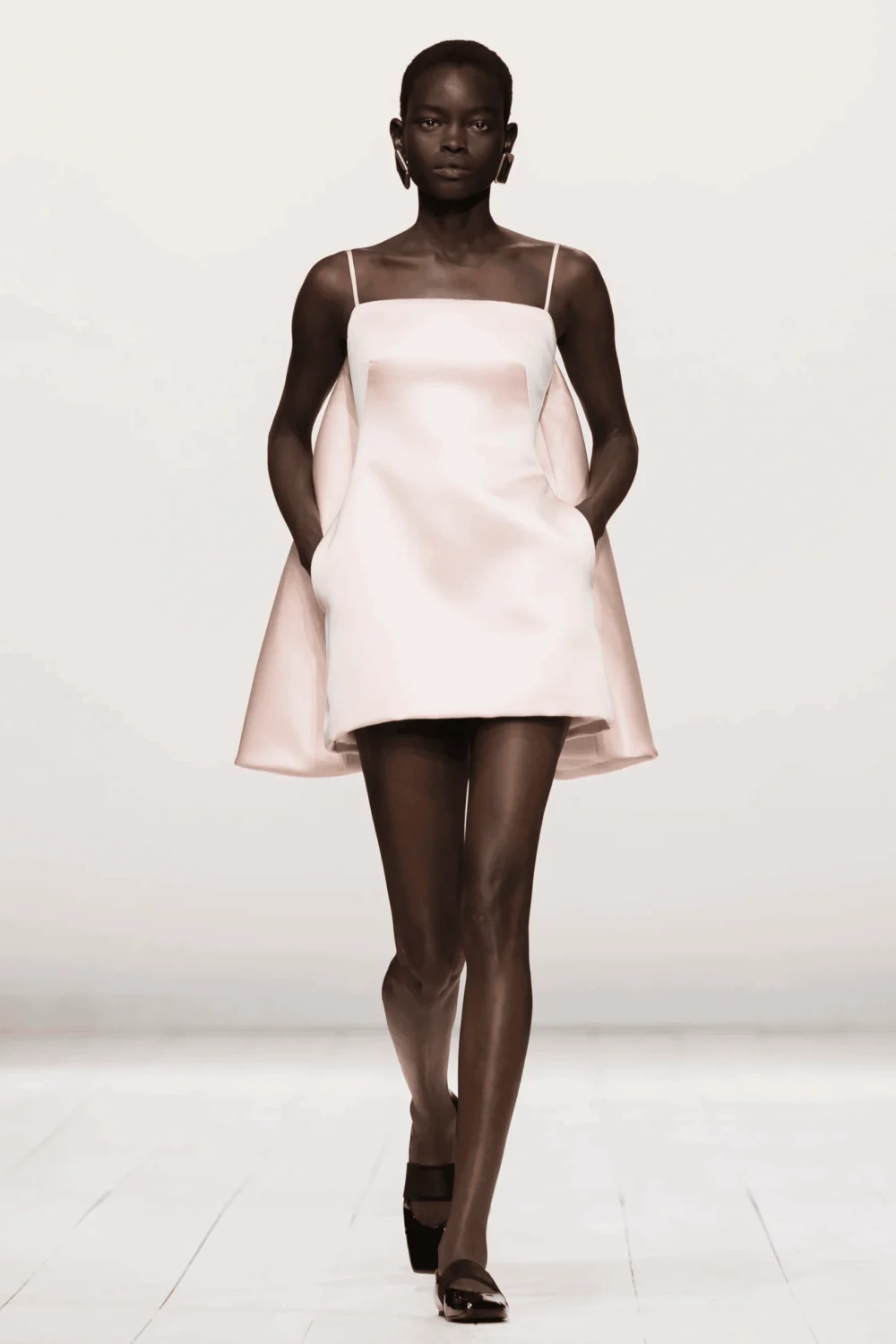
The global fashion landscape is currently undergoing a significant tonal shift as the industry prepares for the Spring-Summer 2026 season. After several years dominated by high-saturation "Barbiecore" aesthetics and aggressive fuchsias, the upcoming warm-weather cycle marks a decisive return to softness, sophistication, and historical reverence. Industry analysts and runway presentations from the world’s leading fashion capitals indicate that pink—specifically in its pastel, sugary, and bubblegum iterations—will be the defining hue of the year. This transition is not merely a change in color preference but a broader movement toward varied silhouettes that range from the hyper-sexy transparency of contemporary Italian design to the rigid, architectural volumes of mid-century haute couture.

The Strategic Shift in Color Palette: Beyond the Fuchsia Era
For the Spring-Summer 2026 collections, the directive from major houses such as Gucci, Valentino, and Chloé is clear: the era of neon and hot pink has concluded. In its place, a more nuanced palette has emerged. Off-White, Alaïa, and Givenchy have all signaled a preference for "sugar pink" and "chicle" (bubblegum) tones. This shift reflects a cooling of the market’s appetite for high-intensity dopamine dressing, moving instead toward "Quiet Luxury" sensibilities where color serves to enhance the fabric’s texture rather than overwhelm the viewer.
Data from recent textile trade shows suggests a 22% increase in orders for pastel-dyed silks and organzas compared to the previous year. This indicates that retailers are preparing for a consumer base that seeks "investment pink"—shades that are flattering across diverse skin tones and versatile enough for both professional and social environments. The move toward pastels also aligns with the seasonal need for lighter, more reflective clothing as global temperatures continue to rise, making these lighter shades a practical as well as an aesthetic choice.

A Chronology of the Pink Resurgence
The trajectory of pink as a dominant fashion force has evolved through several distinct phases over the last decade. Understanding this chronology is essential for contextualizing the Spring-Summer 2026 trends.
- 2014–2016: The Rise of Millennial Pink. A muted, dusty rose that defined a generation’s aesthetic across interior design and fashion.
- 2022–2023: The Barbiecore Phenomenon. Driven by pop culture and a post-pandemic desire for visibility, high-saturation fuchsia (notably Valentino’s PP Pink) dominated runways and red carpets.
- 2024–2025: The Transitional Minimalist Phase. A cooling period where pink was relegated to accessories and minor accents as neutral "latte" and "quiet luxury" tones took center stage.
- 2026: The Neo-Pastel Revival. The current phase, which combines the rebellious spirit of the 1960s, the glamor of the 1950s, and the minimalism of the 1990s, all unified by a soft, confectionary color story.
Analysis of Key Silhouettes for Spring-Summer 2026
The Spring-Summer 2026 season is defined by five primary silhouettes, each catering to a different facet of the modern wardrobe. These designs represent a dialogue between the past and the future, utilizing modern fabric technology to recreate classic forms.

1. The Evolutionary Slip Dress: From Intimates to Occasion Wear
The slip dress, or vestido lencero, continues its reign as a foundational piece of the contemporary wardrobe. However, for 2026, the trend has moved away from the simple 90s grunge aesthetic toward a more refined, "elevated intimacy." Victoria Beckham’s Spring-Summer 2026 collection serves as the benchmark for this style, featuring bias-cut silks that delicately skim the body’s contours.
The 2026 iteration of the slip dress is characterized by:

- Intricate Lace Detailing: No longer confined to the bedroom, lace is being utilized as a structural element on the bodice and hemline.
- Versatility in Length: While the midi remains popular, designers are introducing "micro-slips" for younger demographics and floor-length "maxi-slips" for formal events like spring weddings.
- Textural Depth: Brands like Gucci and H&M are experimenting with hammered silks and satin finishes that catch the light in pastel hues, providing a sense of luxury without the need for heavy embellishment.
2. The Babydoll and the 1960s Trapeze Revival
In a nod to the revolutionary spirit of the 1960s, the babydoll dress is making a significant comeback. This silhouette, popularized by icons like Mary Quant and André Courrèges, is being reinterpreted for 2026 with a focus on inclusivity and comfort. Givenchy has been a leader in this space, showcasing trapeze-cut dresses that offer a flattering, leg-baring aesthetic.
The appeal of the 2026 babydoll lies in its "universal geometry." The A-line or trapeze cut is famously adaptable to all body types, providing volume without restricting movement. Reformation and Maje have already integrated these retro-inspired cuts into their upcoming lines, emphasizing the "breathability" of the silhouette—a key selling point for the heat of the summer months.

3. Evening Radiance: The Sequin and Embellished Pink Dress
For the evening and festive sectors, the "Pink Sequin" trend offers a high-impact alternative to the subtle pastels of daytime wear. Stella McCartney has pioneered this look for the 2026 season, utilizing sustainable, PVC-free sequins to create dresses that mimic the shimmer of light on water.
This trend is bifurcated into two distinct styles:

- The Second-Skin Mini: Brands like Clio Peppiatt and LoveShackFancy are focusing on tight-fitting, heavily embellished minis that cater to the "party girl" aesthetic.
- The Liquid Silk Look: Rixo and other contemporary labels are using smaller, more densely packed sequins to create a fabric that moves like liquid, often in soft "sugar pink" tones that bridge the gap between playful and sophisticated.
4. The Bohemian Resurgence: Ruffles and Asymmetry
The "Boho-Chic" movement, which saw a massive revival in late 2024, has matured for the Spring-Summer 2026 season. The focus has shifted toward fluid, vaporous fabrics and asymmetric ruffles. Blumarine has been the primary architect of this look, combining transparency with cascading layers of chiffon.
Unlike the heavy, earth-toned boho styles of the past, the 2026 version is ethereal and light. Asymmetry is the defining feature here; dresses often feature one-shoulder designs or high-low hemlines that create a sense of movement even when the wearer is stationary. Mango and other high-street retailers are expected to capitalize on this trend, offering accessible versions of the "pink bohemian" look for the summer festival and vacation markets.

5. Architectural Elegance: The 1950s Ballgown Influence
Perhaps the most surprising trend for Spring-Summer 2026 is the return of structured, mid-century elegance. Drawing inspiration from the golden age of couture, designers like Demna at Balenciaga and the creative team at Valentino are revisiting the "ball dress" volumes of the 1950s.
This trend focuses on:

- Fabric Integrity: The use of heavy silks, taffeta, and organza to create shapes that hold their form.
- Refined Details: Subtle bows, structured waistlines, and voluminous skirts that evoke a sense of classic femininity.
- Staud and Balenciaga’s Contribution: These brands have demonstrated that retro volumes can be modernized through minimalist styling and the use of monochromatic pastel palettes, making them suitable for the 21st-century gala or high-profile social event.
Supporting Data: Market Projections and Consumer Interest
Market research indicates that the "Pink 2026" trend is likely to result in a significant uptick in consumer spending within the "Contemporary" and "Luxury" segments. According to retail data analytics, search queries for "pastel pink dresses" have increased by 45% year-over-year during the preliminary spring shopping window.
Furthermore, the "wedding guest" category remains a primary driver for these specific silhouettes. With the post-pandemic wedding boom stabilizing into a consistent market, the demand for versatile, photogenic dresses in soft palettes is at an all-time high. The "sugar pink" palette is particularly favored by wedding photographers and planners for its ability to harmonize with outdoor spring settings without clashing with the bridal party.

Industry Implications and Sustainability
The move toward these five key silhouettes also reflects a broader industry trend toward "slow fashion" principles, even within the high-end sector. The slip dress and the 1950s retro styles are considered "evergreen" silhouettes—designs that do not lose their relevance after a single season. By investing in these shapes, consumers are participating in a more sustainable fashion cycle.
Major houses are also responding to environmental concerns by altering their production methods for these pink garments. Stella McCartney’s use of eco-sequins and Chloé’s commitment to certified organic silks ensure that the "pink trend" of 2026 is as responsible as it is aesthetically pleasing.

Conclusion: The Broader Impact of the Pink Trend
As the Spring-Summer 2026 season approaches, the dominance of pink in its most refined forms signifies a maturation of the fashion industry’s relationship with color. No longer used purely for shock value or social media "clout," pink has been reclaimed as a color of nuance, history, and structural beauty. From the bedroom-inspired minimalism of the slip dress to the grand, structured volumes of the Balenciaga-inspired retro gown, the season offers a diverse array of options that celebrate femininity in all its complexities.
This trend is a testament to the enduring power of the "pink" archetype, proving that even after the most saturated of trends (like Barbiecore), the color can reinvent itself to meet the demands of a new era. For the consumer, the 2026 season represents an opportunity to embrace a palette that is both nostalgic and forward-looking, ensuring that the "season of heat" is met with unparalleled elegance and style.

0 Comments