
 Pevita Pearce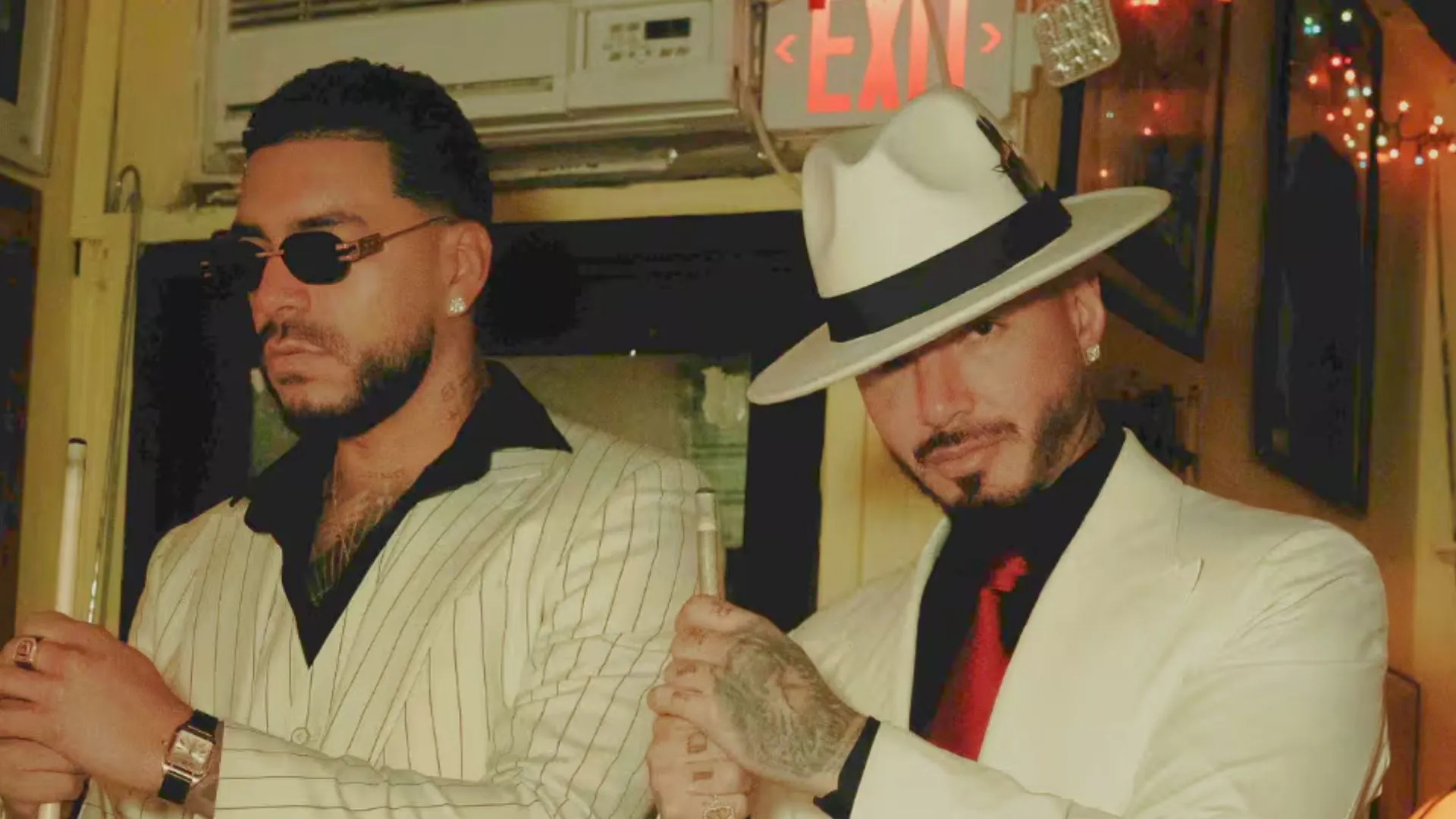
The global urban music scene is buzzing with the latest release from Colombian reggaeton superstar J Balvin, a highly anticipated collaboration titled "Tonto" with fellow Colombian artist Ryan Castro. The track, which dropped on February 26th, has not only dominated streaming charts but has also captured the hearts of fans worldwide due to an unexpected and undeniably charming addition to its introduction: the voice of J Balvin’s young son, Río. This heartwarming inclusion has transcended the typical promotional strategies of the music industry, transforming a simple song release into a viral moment of familial warmth and authentic connection.
The Unexpected Debut: A Child’s Voice Opens a Global Hit
"Tonto" commences not with the powerful vocals of J Balvin or the distinctive rap cadence of Ryan Castro, but with the innocent and playful pronouncements of Río. This unconventional opening immediately sets "Tonto" apart from its contemporaries. The brief, yet impactful, segment features Río officially introducing the collaborators, a moment captured during an intimate studio session and later shared by Río’s mother, Valentina Ferrer, on social media platforms. The spontaneity and genuine joy evident in these behind-the-scenes clips quickly resonated with audiences, propelling clips of the intro across TikTok, Instagram, and other social media channels. This organic virality underscores a growing trend in the music industry where authenticity and personal touches are increasingly valued by consumers.
The scene of Río’s recording, as depicted in videos shared by Ferrer, paints a picture of a relaxed and loving family environment. Amidst laughter and repeated attempts, the young child articulates the lines that would ultimately grace the official release of "Tonto." This intimate glimpse into the creative process offered fans a rare look behind the curtain, humanizing the larger-than-life personas of global music icons and fostering a deeper connection with the artists and their families. The resulting opening is not merely a decorative element; it’s a fresh, relatable, and endearing prelude that stands in stark contrast to the more polished and cinematic aesthetic of the song’s official music video.
A Cinematic Vision: "Tonto" Blends Urban Grit with Classic Film Noir
Beyond its heartwarming introduction, "Tonto" is a meticulously crafted musical and visual production. The single, a fusion of reggaeton rhythms with hints of dancehall and broader urban soundscapes, is designed for maximum impact. Its sonic palette prioritizes infectious rhythm and high-energy delivery, characteristic of both J Balvin and Ryan Castro’s signature styles. The collaboration also boasts the significant involvement of French producer DJ Snake and Colombian producer SOG, lending an international flair and a sophisticated sonic layering to the track. This confluence of talent suggests an ambitious scope for "Tonto," aiming for a global reach that extends beyond the Latin American market.
Complementing the energetic audio, the music video for "Tonto" presents a striking departure from the often vibrant and colorful aesthetics typically associated with reggaeton. Shot in the bustling metropolis of New York City, the visual narrative adopts a more somber, gangster-inspired theme, drawing clear references to classic cinema. J Balvin and Ryan Castro are depicted in sharp attire, including long coats and berets, under a high-contrast cinematography that evokes the moodiness of film noir. This deliberate artistic choice signals a desire by the artists to explore new creative territories and to offer a more mature and sophisticated visual representation of their music.
Within this cinematic narrative, Río makes a second, albeit brief, appearance. Dressed in a Godzilla costume, his presence adds a whimsical and unexpected element to the otherwise gritty visual landscape. This playful interlude serves as a charming counterpoint to the more serious tone of the video, once again highlighting the integration of personal and familial elements into a high-profile artistic project. The juxtaposition of a child in a monster costume against a backdrop of urban sophistication and classic cinematic references creates a memorable and uniquely engaging viewing experience.
The Deepening Bond: Río and Ryan Castro’s Affectionate Rapport
The affectionate relationship between Río and Ryan Castro had already been a talking point on social media prior to the release of "Tonto." Numerous videos circulating online showcase the natural ease and playful banter between the young child and the reggaeton star. Their interactions, often characterized by spontaneous jokes and lighthearted moments, have frequently gone viral, endearing them to a wider audience. This visible camaraderie has extended beyond casual online exchanges; Ryan Castro has been known to share the stage with Río during performances in the United States, a testament to the genuine trust and deep complicity that has developed between them. This familial closeness, particularly between a child and a prominent artist outside his immediate family, adds a unique layer of narrative and emotional depth to J Balvin’s latest musical endeavor.
This bond is often characterized by affectionate nicknames and playful teasing, with Ryan Castro frequently referred to as "Tío Ryan" (Uncle Ryan) by fans and even by J Balvin himself in informal settings. This term of endearment underscores the comfortable and familial dynamic that has blossomed between the artist and J Balvin’s son. The genuine affection and mutual respect displayed by Ryan Castro towards Río are palpable in their interactions, further solidifying the idea that "Tonto" is more than just a musical collaboration; it’s a celebration of relationships, both professional and personal.
Digital Footprint: Río’s Impact on "Tonto"’s Online Conversation
Despite his limited on-screen and on-mic presence, Río has undeniably emerged as a central figure in the digital conversation surrounding "Tonto." Short clips of the song’s introduction, featuring his voice, have been extensively shared across social media platforms. Thousands of users have replicated his opening lines and have enthusiastically commented on the chemistry between J Balvin, Ryan Castro, and the youngest member of the "Tonto" team. This organic amplification through user-generated content highlights the power of relatable and heartwarming moments in capturing public attention in the digital age.
The impact of Río’s inclusion can be quantified not only by the sheer volume of social media shares but also by the sentiment expressed in online discussions. The overwhelmingly positive reactions indicate a public appreciation for the artists’ willingness to incorporate such a personal and innocent element into a mainstream hit. This strategy has successfully humanized the artists and has generated a level of goodwill and engagement that traditional marketing campaigns often struggle to achieve. The inherent charm of a child’s voice, coupled with the star power of J Balvin and Ryan Castro, has created a potent combination that resonates deeply with a broad audience.
Analyzing the Implications: Authenticity as a Key to Engagement
The success of Río’s cameo in "Tonto" offers valuable insights into the evolving landscape of music promotion and fan engagement. In an era saturated with curated content and carefully crafted public images, moments of genuine authenticity often cut through the noise. The decision by J Balvin and his team to feature his son in such a prominent way speaks to a strategic understanding of what connects with audiences on a deeper level. It moves beyond the transactional nature of music consumption and taps into shared human experiences and emotions.
This approach also serves to differentiate "Tonto" from other releases in a highly competitive genre. By weaving personal narrative into the fabric of a commercial product, the artists have created a unique selling proposition that is both memorable and emotionally resonant. The integration of family into the professional sphere, when handled with authenticity and care, can be a powerful tool for building brand loyalty and fostering a more profound connection with fans. It suggests a shift towards a more holistic representation of artists, where their personal lives and familial bonds are seen not as distractions, but as integral components of their identity and creative output.
Furthermore, the phenomenon of Río’s virality underscores the influence of platforms like TikTok and Instagram in shaping cultural trends and driving music consumption. User-generated content, often inspired by trending sounds and viral moments, can significantly amplify a song’s reach and impact. The willingness of fans to actively participate in the promotion of "Tonto" by recreating Río’s lines and sharing their reactions demonstrates a strong sense of ownership and connection to the project. This grassroots engagement is a powerful indicator of the song’s broad appeal and its ability to transcend traditional marketing channels.
A Legacy of Innovation: J Balvin’s Continued Push Against Norms
J Balvin has consistently demonstrated a forward-thinking approach to his career, often pushing the boundaries of what is expected within the reggaeton and urban music genres. From his bold fashion choices to his willingness to experiment with diverse musical collaborations and visual aesthetics, Balvin has carved a niche for himself as an innovator. The inclusion of his son in "Tonto" is another testament to this progressive mindset. It reflects a mature artist who is comfortable integrating his personal life into his professional endeavors in a way that feels authentic and meaningful.
This strategic decision not only amplifies the song’s appeal but also contributes to J Balvin’s broader narrative as an artist who values family and genuine connection. In a genre that can sometimes be perceived as overtly materialistic or hedonistic, moments like these offer a refreshing counterpoint, highlighting the human element behind the music. The enduring success of "Tonto" is likely to be a testament to this innovative approach, proving that emotional resonance and authentic storytelling can be just as powerful, if not more so, than traditional promotional tactics. The collaboration between J Balvin and Ryan Castro, enriched by the innocent charm of young Río, has undoubtedly set a new standard for how artists can connect with their audience in the digital age.

 Eva Lovia
 Julia Chirkova
 Julia Prastini
 Nila Kartika Wati
 Jia Lissa
 admin
admin