
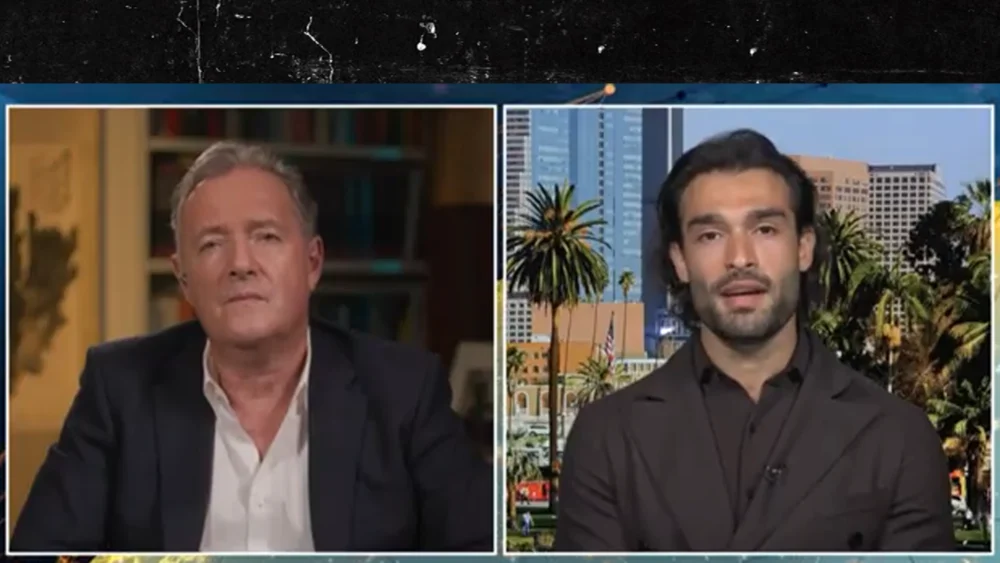
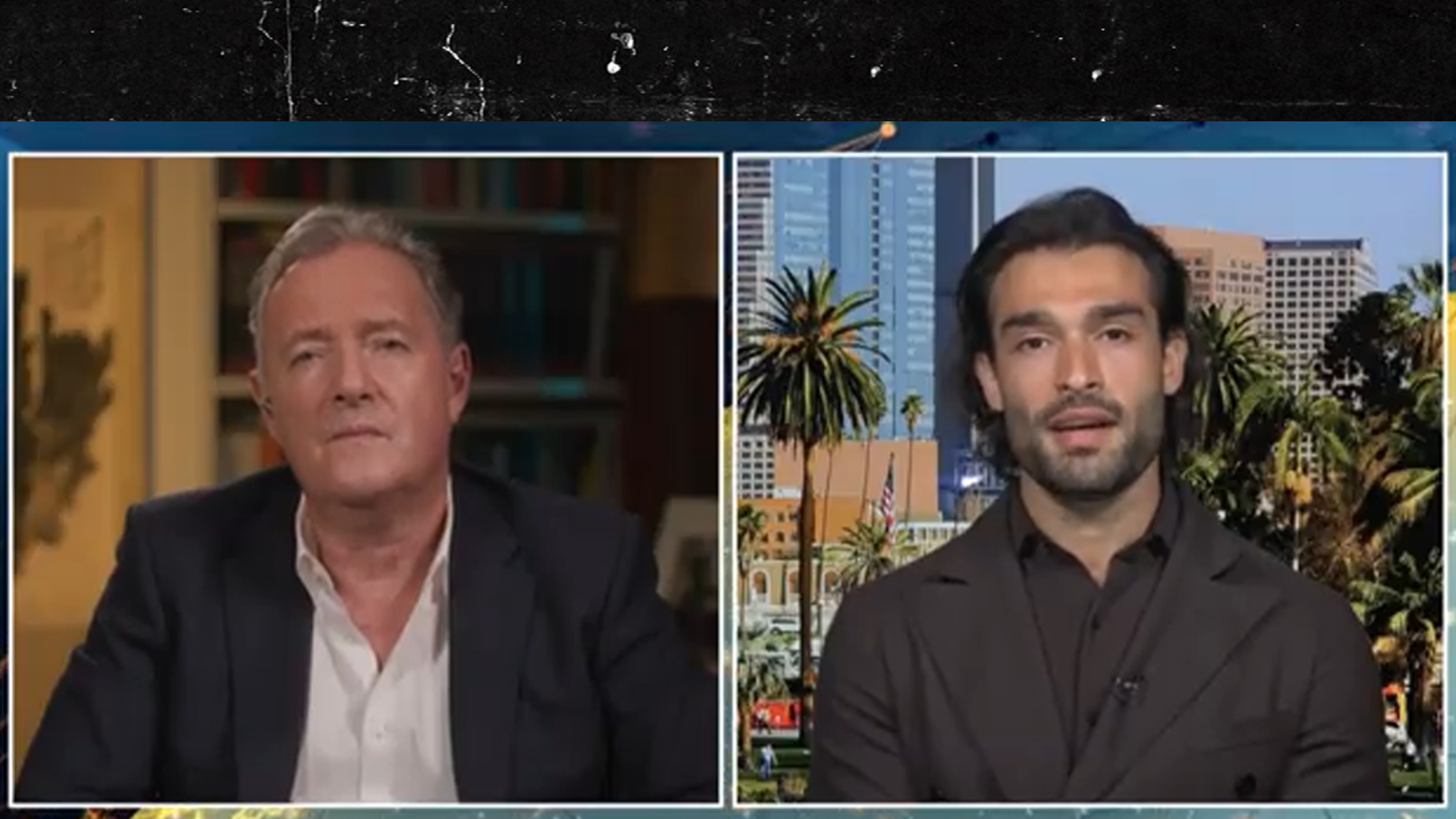
In a recent appearance on "Piers Morgan Uncensored," fitness model and actor Sam Asghari, ex-husband of pop icon Britney Spears, ignited a significant debate by drawing a controversial parallel between the intense media scrutiny and perceived oppression faced by Spears and the systemic oppression experienced by women in his native country, Iran. The remarks came amidst a discussion predominantly focused on the current geopolitical tensions between America and Iran, but quickly pivoted to Spears’ recent arrest on suspicion of driving under the influence (DUI). Asghari’s statement has sparked widespread discussion regarding celebrity privacy, media ethics, and the sensitive comparison of disparate forms of societal pressure and human rights violations.
Background on Asghari’s Public Statements and Personal Context
Sam Asghari, born in Tehran, Iran, before immigrating to the United States, has often spoken about his heritage and, more recently, the political climate affecting his home country. His appearance on "Piers Morgan Uncensored" was primarily intended to address the ongoing conflict between the United States and Iran, a topic of considerable international concern. However, the conversation inevitably shifted to his high-profile former marriage to Britney Spears and her recent legal troubles. Asghari and Spears’ relationship, which began in 2016, culminated in marriage in June 2022, only to end in divorce in August 2023. Their union was closely watched, particularly as it coincided with Spears’ successful legal battle to terminate her conservatorship.
This is not the first instance where Asghari has publicly commented on Spears’ situation following her arrest. Just days prior, he made similar remarks on Fox News, reiterating a consistent message that Spears had made a mistake but possessed the resilience to overcome it, emphasizing the critical need for media restraint. His public defense, while seemingly supportive, has also drawn scrutiny for its timing and the nature of the comparisons he has made.
The Controversial Comparison: Spears’ Media Scrutiny vs. Iranian Women’s Oppression
The core of Asghari’s contentious statement on "Piers Morgan Uncensored" was his assertion that he observed "similarities in the way women in his country’s society are oppressed and the way BS has been oppressed — specifically by the media." This comparison immediately raised eyebrows and elicited strong reactions from various quarters, including human rights advocates, media analysts, and fans.
To understand the weight of this comparison, it is crucial to examine the distinct contexts. Britney Spears’ struggles, particularly her nearly 14-year conservatorship, were indeed characterized by an unprecedented level of media intrusion and public scrutiny. From the early 2000s, as a global pop superstar, Spears was subjected to relentless paparazzi harassment, tabloid sensationalism, and widespread public commentary on her mental health and personal life. The "Free Britney" movement, a grassroots fan campaign that gained significant traction, highlighted the deeply troubling aspects of her conservatorship, alleging that it stripped her of fundamental freedoms, including control over her finances, career, personal relationships, and even her reproductive rights. This period undeniably represented a profound violation of her autonomy and privacy, exacerbated by a media landscape that often commodified her vulnerability. The #FreeBritney movement successfully brought global attention to the legal and ethical issues surrounding conservatorships, particularly for public figures, leading to legislative discussions and increased awareness about mental health and personal freedoms.
Conversely, the oppression faced by women in Iran is rooted in a deeply entrenched patriarchal system governed by strict religious laws and state policies. Since the 1979 Islamic Revolution, women in Iran have been subjected to legal and social restrictions that significantly curtail their basic human rights. These include mandatory veiling (hijab), which, if violated, can lead to severe penalties, including fines, imprisonment, and physical punishment. Women face discrimination in areas such as marriage, divorce, child custody, and inheritance. They are restricted from certain public spaces and professions, and their testimony in court is often valued at half that of a man’s. The "Woman, Life, Freedom" movement, which erupted in 2022 following the death of Mahsa Amini while in morality police custody, brought global attention to the systemic violence, discrimination, and lack of fundamental freedoms faced by Iranian women who dare to challenge these oppressive laws. Activists and ordinary citizens have risked their lives, endured brutal crackdowns, and faced imprisonment and execution for demanding basic human rights and bodily autonomy. The state-sanctioned oppression includes widespread censorship, surveillance, and a lack of due process for those who dissent.
Analysis of the Comparison’s Validity and Impact
The juxtaposition of these two scenarios — media oppression of a celebrity versus state-sanctioned, systemic human rights abuses — has been widely debated for its appropriateness. While both situations involve a curtailment of freedom and autonomy, the nature, scale, and consequences of the oppression differ dramatically.
- Human Rights Perspective: Human rights organizations and legal experts typically emphasize that "oppression" in the context of state-sanctioned abuses, such as those in Iran, involves fundamental violations of internationally recognized human rights, including the right to life, freedom from torture, freedom of expression, and equality before the law. The penalties for defiance can be imprisonment, torture, or death. While media scrutiny can be deeply damaging and psychologically oppressive, it generally does not carry the same life-threatening risks or involve state-enforced deprivation of liberty in the same manner. Critics argue that equating the two risks trivializing the severe plight of women in Iran and other authoritarian regimes.
- Media Ethics Perspective: Asghari’s criticism of media’s role in Spears’ life resonates with ongoing discussions about the ethics of celebrity journalism, the right to privacy, and the psychological impact of relentless public scrutiny. There is a broad consensus among media ethicists that the sensationalist and intrusive coverage Spears endured, particularly during her mental health crises, crossed ethical lines and contributed significantly to her distress. The "Free Britney" movement served as a powerful testament to the public’s growing discomfort with such practices. However, this form of "oppression" operates within a different legal and societal framework than the state-imposed restrictions in Iran.
- Asghari’s Intent: It is plausible that Asghari’s intent was to highlight the severe pressure and lack of agency Spears experienced, perhaps viewing "oppression" in a broader, more generalized sense of being controlled or deprived of freedom. His personal connection to both Spears’ struggles and the situation in Iran might have led him to perceive parallels based on a shared feeling of injustice or lack of control. However, the specific wording and the stark differences between the two forms of oppression make the comparison fraught with peril.
Chronology of Recent Events and Public Statements
- Early March 2026: Britney Spears is arrested in Ventura County, California, on suspicion of driving under the influence. Details emerging from law enforcement reports indicated a traffic stop that escalated to an arrest after officers suspected impairment. The specifics of the incident, including field sobriety tests and potential chemical tests, became part of the public record, further intensifying media focus.
- Mid-March 2026 (prior to Piers Morgan interview): Sam Asghari appears on Fox News. During this appearance, he addresses Spears’ arrest, stating that she made a mistake but can recover, and calls for the media to "back off" to allow her space to heal and rebuild. This initial statement sets the tone for his public defense of Spears post-arrest.
- March 11, 2026: Asghari is a guest on "Piers Morgan Uncensored." While discussing America’s conflict with Iran, the conversation shifts to Spears. It is during this interview that he makes the controversial comparison between Spears’ media oppression and the oppression of Iranian women, reiterating his call for media to leave her alone.
- Ongoing: Public discourse continues regarding both Spears’ legal situation and Asghari’s comments, with various commentators weighing in on the appropriateness of the comparison and the broader issues it raises.
Britney Spears’ Recent Legal Troubles
The incident that precipitated Asghari’s recent comments was Britney Spears’ arrest last week in Ventura County, California. According to reports, she was taken into custody on suspicion of driving under the influence. This event marked another public setback for the pop star, who has been striving to regain control of her life and career since the termination of her conservatorship in November 2021. DUI arrests carry significant legal consequences, including potential fines, license suspension, mandatory rehabilitation programs, and even jail time, depending on prior offenses and the specifics of the incident. The arrest immediately reignited intense media interest in her personal life, raising concerns among fans and observers about her well-being and stability.
The Role of Media and Celebrity Privacy
Asghari’s repeated plea for the media to "back off" from Spears highlights a persistent tension between public interest in celebrity lives and the celebrities’ right to privacy and mental well-being. The narrative surrounding Britney Spears, in particular, serves as a case study in the potentially destructive power of unchecked media scrutiny. Her struggles in the mid-2000s were undeniably exacerbated by a relentless paparazzi culture and tabloid journalism that often prioritized sensationalism over empathy.
In the wake of the "Free Britney" movement and broader discussions about mental health, there has been a growing call for more responsible and ethical reporting on public figures. However, the economics of celebrity news often conflict with these ideals. A high-profile arrest like Spears’ is inherently newsworthy, but the manner in which it is covered — from intrusive photography to speculative commentary — can have profound impacts on the individual involved. Asghari’s comments underscore the ongoing challenge for celebrities to navigate a world where their every move, particularly moments of vulnerability, can become public spectacle. The fine line between reporting facts and exploiting personal distress remains a contentious area in modern journalism.
Broader Implications and Public Reception
Asghari’s statements have several broader implications. First, they inject a highly sensitive geopolitical and human rights issue into the realm of celebrity gossip, potentially diverting attention from the severe realities faced by women in Iran or, conversely, drawing an unlikely audience to the topic. The risk of trivialization or misrepresentation is significant when such comparisons are made without careful nuance.
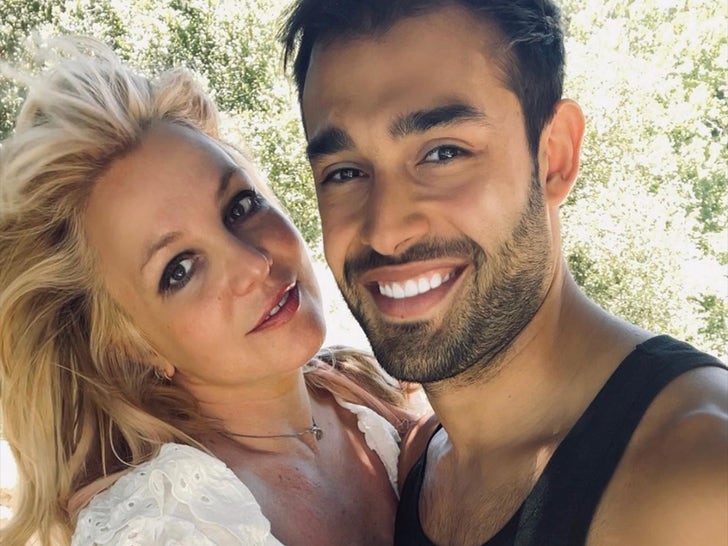
Second, the comments contribute to the ongoing discussion about how public figures, particularly those who have experienced significant personal struggles, are treated by the media. While Asghari’s direct comparison may be contentious, his underlying message about the need for compassion and privacy for Spears resonates with many who followed her conservatorship battle.
Third, the incident serves as a reminder of the complex aftermath of high-profile legal battles and personal crises. Even after escaping a conservatorship, Spears continues to face challenges, and every misstep is amplified by her global fame. The desire for a "normal" life, often expressed by celebrities, clashes starkly with the realities of constant public scrutiny.
Public reception to Asghari’s remarks has been mixed. Supporters of Britney Spears may appreciate his defense of her, particularly his call for media restraint. However, human rights activists and those familiar with the severe conditions in Iran have largely criticized the comparison as inappropriate and disrespectful, arguing that it diminishes the suffering of Iranian women who face vastly different and more dangerous forms of oppression. This polarized reaction underscores the delicate balance required when public figures venture into complex social and political commentary.
As Britney Spears navigates the legal ramifications of her recent arrest and strives for stability, the public discourse surrounding her, influenced by figures like Sam Asghari, continues to highlight the intricate interplay of celebrity, media ethics, and the broader context of human rights and societal pressures. The incident, and the ensuing commentary, serve as a potent reminder of the complexities inherent in the lives of public figures and the responsibilities of those who report on them.

0 Comments