
 Jia Lissa
Utah’s Division of Children and Family Services (DCFS) chose not to remove the children of social media personality Taylor Frankie Paul from her custody following a widely reported 2023 domestic incident where one of her young children was inadvertently struck by a barstool. This decision has sparked outrage from Tate Paul, the children’s father, who claims he was intentionally kept from viewing crucial video evidence of the event until it was released publicly in March 2026, and would have pursued child abuse charges had he been fully informed. The unfolding details cast a critical light on child welfare protocols and the transparency afforded to concerned parents within the system.
The Incident and Initial Response
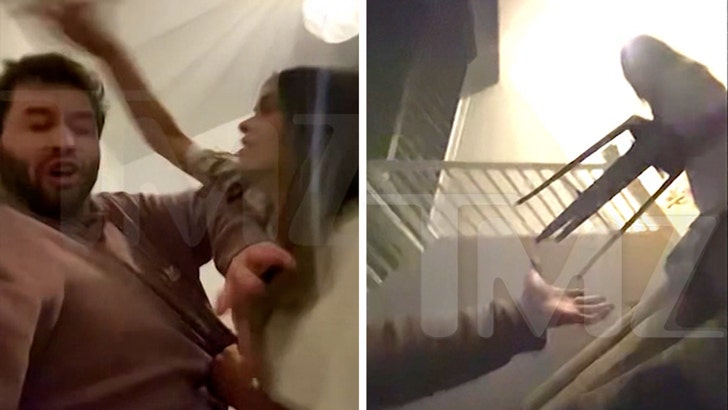
The pivotal incident, which occurred in 2023, involved an altercation between Taylor Frankie Paul and Dakota Mortensen. During the dispute, captured on video, Paul allegedly attacked Mortensen and, in the process, inadvertently struck one of her children with a barstool. The police were promptly notified and, as mandated by Utah law, subsequently reported the incident to the Division of Children and Family Services. This mandatory reporting mechanism ensures that instances of potential child endangerment or abuse are brought to the attention of welfare authorities for evaluation. The police report itself reportedly referenced the existence of the video evidence, confirming its presence within official records from the outset.
Despite the compelling visual evidence and the physical impact on a child, DCFS did not deem it necessary to remove Paul’s two children from her home at the time. (Paul has since had a third child after this incident.) Sources with direct knowledge of the DCFS investigation indicate that the agency operates under a policy of removing children from their parents’ care only when there is an immediate and demonstrable danger. The rationale provided for not intervening more drastically in this case was that the child struck by the barstool was not the intended target of Paul’s actions; rather, the object ricocheted and unintentionally made contact.

This explanation raises significant questions regarding the interpretation of "immediate danger" and the threshold for intervention in child welfare cases. Critics argue that any incident involving a child being struck, regardless of intent, should trigger a more stringent review, especially when coupled with other elements of domestic unrest. When questioned about the specific detail of Taylor Paul not immediately comforting her crying 5-year-old after the child was struck – a potential indicator of neglect – the DCFS source reportedly could not confirm how, or if, this factor influenced the ultimate decision to leave the children in Paul’s care. This ambiguity further fuels concerns about the thoroughness of the assessment process and the factors weighed by child protective services.
Chronology of Custody Changes and Legal Maneuvers
In the immediate aftermath of the 2023 incident, Tate Paul, the biological father of the two children involved, initiated legal proceedings to secure full custody. Represented by legal counsel, Tate’s lawyer formally demanded full custody from Taylor Paul’s attorney. Remarkably, Taylor Paul’s legal team agreed to this significant alteration, transitioning custody from a joint arrangement to full custody for Tate Paul. This agreement was contingent upon Taylor undertaking specific measures, including participation in alcohol education classes and undergoing various psychological and behavioral examinations. Over a period of six months following these commitments, Taylor Paul gradually regained approximately 50% custody of her children, indicating a structured pathway back to shared parental responsibilities after the initial severe restriction.
This sequence of events underscores a pattern where private legal negotiations between parents led to significant custody changes, independent of the DCFS’s initial decision not to remove the children. While DCFS concluded there was no "immediate danger" warranting removal, the father’s swift legal action and the mother’s agreement to remedial measures suggest an acknowledgment of serious issues within the family dynamic, even if not meeting the agency’s criteria for mandatory removal.
The Withholding of Evidence and Father’s Outrage

A critical element that has recently come to light, exacerbating the controversy, is the fact that neither law enforcement nor DCFS provided Tate Paul with access to the video of the 2023 incident. Throughout the initial stages, Taylor Paul reportedly denied that one of their children had been struck. Tate Paul only became aware of the full extent of the incident when TMZ publicly released the video in March 2026. Sources close to Tate Paul have conveyed his profound outrage and sense of betrayal upon viewing the footage. He contends that had he been privy to this definitive video evidence earlier, he would have unequivocally demanded that prosecutors pursue child abuse charges against Taylor Paul.
This revelation highlights a significant gap in transparency and information sharing within the child welfare and legal systems. A parent, particularly one actively seeking to ensure the safety and well-being of their children, was denied access to crucial evidence that directly pertained to an alleged incident of harm. The withholding of such material prevented Tate Paul from making fully informed decisions regarding legal action and potentially impacted the course of the initial custody negotiations. The timing of the video’s public release, years after the incident and after custody arrangements had been modified, has ignited a fresh wave of scrutiny regarding the accountability of all parties involved—from the individuals to the institutions tasked with protecting children.
Ongoing Investigations and Mandated Psychological Evaluations
The saga surrounding Taylor Frankie Paul and the welfare of her children is far from over. Dakota Mortensen, the other individual involved in the 2023 altercation, has reportedly filed numerous complaints with DCFS alleging child abuse, indicating a persistent concern about the children’s safety. Consequently, there is currently an open and active investigation into the matter by Utah’s Division of Children and Family Services.
As part of this ongoing inquiry, DCFS has taken a significant step by ordering both Taylor Frankie Paul and Dakota Mortensen to undergo comprehensive psychological examinations. Such evaluations are standard practice in complex child welfare cases, particularly when there are allegations of domestic violence, substance abuse, or other behavioral issues that could impact parenting capacity or the safety of children. The results of these exams will likely play a crucial role in informing DCFS’s findings and any subsequent recommendations regarding custody, supervision, or therapeutic interventions. The involvement of both parties in these evaluations underscores the multifaceted nature of the family dynamics and the need for a thorough assessment of the psychological well-being and parental fitness of all adults directly involved in the children’s lives.
Broader Implications and Systemic Scrutiny
The Taylor Frankie Paul case extends beyond the individuals involved, prompting broader questions about the effectiveness and transparency of child welfare systems, particularly when public figures are at the center of allegations.
Child Welfare System Thresholds: The decision by Utah DCFS not to remove the children, based on the "immediate danger" policy and the "ricochet" explanation, will undoubtedly be scrutinized. Child welfare agencies constantly grapple with the delicate balance between protecting children and preserving family units. Critics often argue that intervention thresholds are too high, leaving children vulnerable, while proponents emphasize the importance of keeping families together unless absolutely necessary. This case exemplifies the tension in applying these complex policies, especially when the intent behind an action is debated, even if a child is harmed. The question of whether an "inadvertent" strike still constitutes a sufficiently harmful environment for a child, particularly in the context of domestic violence, remains a central point of contention.
Transparency and Parental Rights: Tate Paul’s inability to access the video evidence, despite being a concerned parent, highlights potential systemic issues regarding transparency and information sharing. While privacy laws and ongoing investigations can restrict access, the denial of crucial evidence to a parent directly involved in a custody dispute and child welfare concerns raises questions about equitable access to information. This situation underscores the need for clear guidelines on when and how vital evidence can be shared with non-offending parents to ensure they can advocate effectively for their children’s safety and well-being. The legal implications of withholding evidence that could support child abuse allegations are significant, potentially impacting criminal prosecutions and civil custody outcomes.
Public Figures and Accountability: The involvement of a social media personality like Taylor Frankie Paul adds another layer of complexity. Public figures often face heightened scrutiny, and their personal lives, especially incidents involving children, can become national conversations. This public attention can pressure agencies and legal systems, but it also risks sensationalizing sensitive child welfare matters. The case brings to the forefront the responsibilities of public figures whose lives are often shared online, and the potential impact of their actions on their children, both privately and in the public eye.
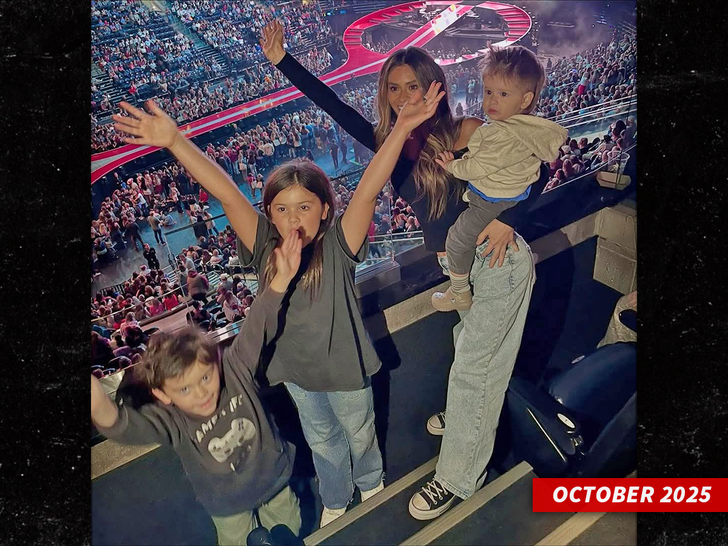
Legal and Psychological Interventions: The shift in custody, Taylor Paul’s agreement to alcohol education and examinations, and the mandated psychological evaluations for both her and Dakota Mortensen reflect the multi-pronged approach often required in cases of domestic conflict and child welfare. These interventions aim to address underlying issues, mitigate risks, and provide a path toward safer environments for children. The effectiveness of such measures, and the ongoing monitoring required, will be critical in determining the long-term outcomes for the children involved.
The Taylor Frankie Paul case serves as a stark reminder of the complexities inherent in child welfare, legal battles, and the profound impact of domestic incidents on vulnerable children. The public release of the video, years after the fact, has not only reignited the immediate controversy but also opened a broader discourse on accountability, transparency, and the crucial role of child protection agencies in safeguarding the most vulnerable members of society. The ongoing investigation and mandated psychological evaluations will be key to understanding the full picture and determining the future welfare of the children involved.




 Eva Lovia
 Julia Chirkova
 Julia Prastini
 admin
admin
 Raisa Andriana