
 Julia Prastini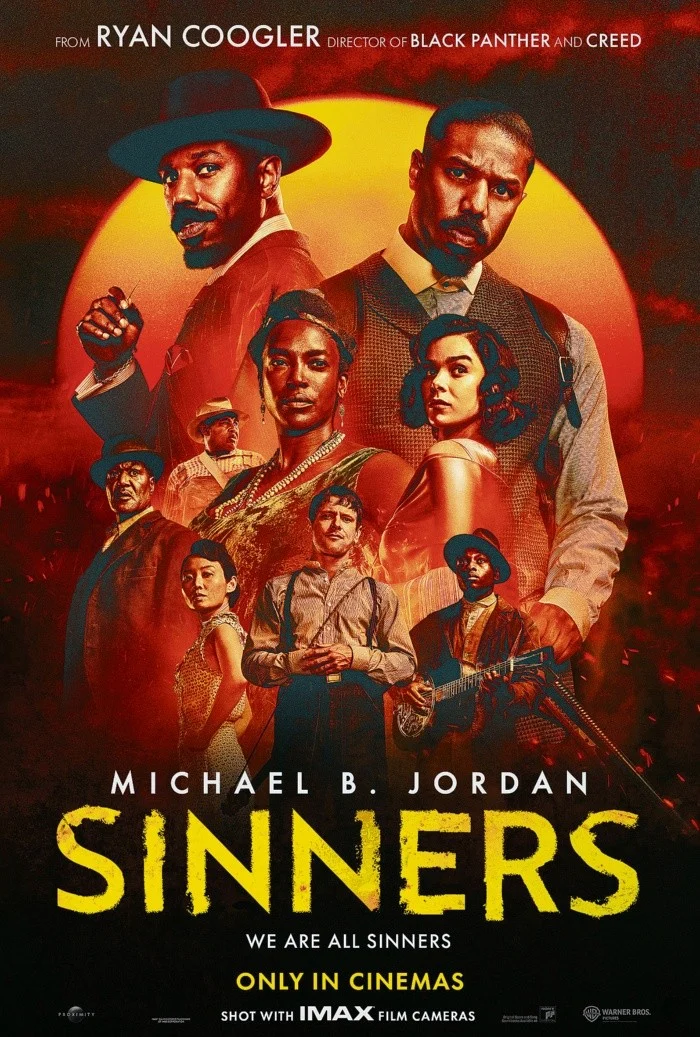
Today marks the celebration of the 98th Academy Awards, an event that traditionally culminates the cinematic year and sets the tone for future industry trends. As the awards season draws to a close, the dominant narratives have begun to solidify: clear favorites in some categories, intense competition in others, and a palpable conversation influenced by both sophisticated promotional campaigns and the pressing global political climate. Following a series of pivotal precursors such as the Golden Globes, BAFTA Awards, Critics Choice Awards, and various guild accolades, the race for the coveted golden statuette for the 2026 ceremony is now largely defined, albeit with the persistent potential for unexpected turns.
To gain a comprehensive understanding of the current landscape heading into the 2026 ceremony, EL INFORMADOR engaged in exclusive discussions with seasoned film critics Arturo Garibay and Miguel Araiza. Both experts concurred that this particular edition of the Academy Awards presents a unique blend of enduring tradition, considerable uncertainty, and a noticeable generational shift in how audiences engage with and consume the awards spectacle. This confluence of factors paints a complex picture for the world’s most prestigious film honors.
The Evolving Spectacle: Reinvention Amidst Relevance
Despite the Academy Awards maintaining their status as one of the most globally visible events in the entertainment industry, both specialists contend that the format is navigating a significant period of transition. Arturo Garibay emphasized that while the ceremony retains substantial media relevance, it is increasingly confronted with the imperative for reinvention to remain captivating in a rapidly changing media ecosystem.
"I believe the ceremony is in need of some form of renovation," Garibay stated, acknowledging its continued high viewership. "However, I would anticipate fairly conventional presentations until we reach the landmark 100th edition." The critic speculated that more profound and transformative changes are likely to materialize once the broadcast potentially migrates predominantly to digital platforms. Such a shift, he posited, could fundamentally alter its relationship with emerging audiences, who increasingly favor on-demand content and bite-sized highlights over lengthy live broadcasts. This observation aligns with broader trends in live television consumption, where traditional viewership numbers for major events, including sports and other awards shows, have seen a gradual decline over the past decade, prompting networks and organizers to explore multi-platform strategies and more interactive content.
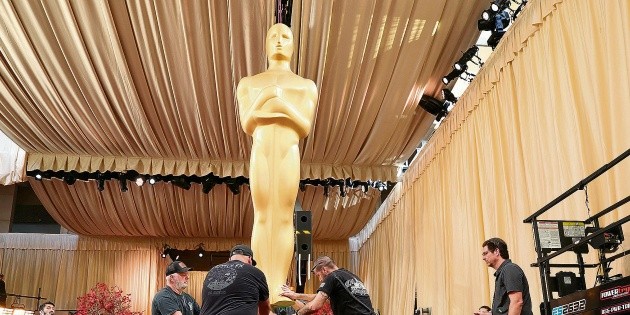
Garibay also highlighted a perceived disconnect between the tumultuous global context and the somewhat subdued tone of recent awards presentations. He articulated a belief that art, and by extension, its celebratory platforms, should more explicitly reflect contemporary social realities. "It is not my expectation for actors to become activists during the ceremony," he clarified, "but rather for them to manifest as integral parts of the social fabric and as individuals conscious of the dire reality the planet is experiencing." This sentiment resonates with a growing public expectation for cultural institutions to address pressing global issues, from climate change to geopolitical conflicts, mirroring the increasing social consciousness often reflected in the nominated films themselves.
Miguel Araiza partially concurred with Garibay’s assessment, though he attributed the perceived rigidity of the format more to evolving consumption habits than to inherent flaws in the ceremony itself. "People still pay attention to the prestige of the Oscar," Araiza affirmed, acknowledging the enduring cultural capital of the award. However, he noted a distinct shift: a significant portion of the audience now follows the ceremony through curated clips and trending discussions on social media platforms, rather than committing to watching the entire live broadcast. This fragmentation of viewership presents a challenge for advertisers and broadcasters alike, as they strive to maintain engagement in an increasingly attention-scarce digital environment. The Academy has responded by attempting to streamline the ceremony, introducing new categories, and experimenting with hosts and segments to appeal to a younger, digitally native demographic.
Where to Watch the 98th Academy Awards
The 98th Academy Awards ceremony is scheduled to commence at 5:00 PM Pacific Time, broadcasting live from the iconic Dolby Theatre in Los Angeles. For the second consecutive year, the charismatic Conan O’Brien is set to host the event, bringing his distinctive blend of wit and humor to one of Hollywood’s biggest nights. The broadcast will be available through various channels, including ABC in the United States, and a multitude of international networks and streaming services globally, ensuring widespread accessibility for cinema enthusiasts worldwide.
The Frontrunners and Fierce Contenders
Best Actress: A Clear Path for Jessie Buckley

Among all the principal categories, both critics, Garibay and Araiza, are in remarkable agreement regarding the Best Actress race: it is arguably the least uncertain. Jessie Buckley, for her commanding performance in "Hamnet," has emerged as the undisputed favorite. Her consistent wins across various precursor awards, including the Screen Actors Guild (SAG) Award for Outstanding Performance by a Female Actor in a Leading Role, have solidified her position.
Garibay eloquently described Buckley’s portrayal as an performance that perfectly aligns with the traditional tastes of the Academy: "intense, emotional, and set within a meticulously crafted period production." For him, it is a "forceful and magnetic" piece of acting that deeply connects with the kind of historically revered interpretations that Academy voters frequently honor. Historically, the Academy has shown a preference for transformative roles, often in dramatic period pieces or biopics, which "Hamnet" reportedly embodies.
Araiza echoed this diagnosis, recalling his immediate anticipation of her triumph upon seeing the film premiere at a festival in Toronto. "Leaving the screening, I said, ‘She’s going to win the Oscar,’ and indeed she is," he recounted, further underscoring the substantial recognition Buckley has accumulated within the industry throughout her career, culminating in this potentially career-defining moment.
Best Actor: An Unpredictable Battle
In stark contrast to the Best Actress category, the race for Best Actor presents a wide-open contest, generating significant uncertainty. Unlike previous years, there is no clear consensus emerging from the precursor awards or across the various industry guilds, making it one of the most highly anticipated categories of the evening.
Garibay elaborated that genuine indicators of Oscar success typically surface in the results of guild voting and industry-specific awards, which often provide a more accurate barometer than the more media-centric ceremonies. However, this season has yielded remarkably dispersed results, with no single actor consistently dominating. "Everyone is voting differently for Best Actor," Garibay observed, highlighting the fragmented preferences of the voting body. "It’s an open race where, on the day of the awards, anyone could potentially win." This situation often arises when several strong performances vie for recognition, splitting the vote and making it difficult to predict a clear frontrunner.
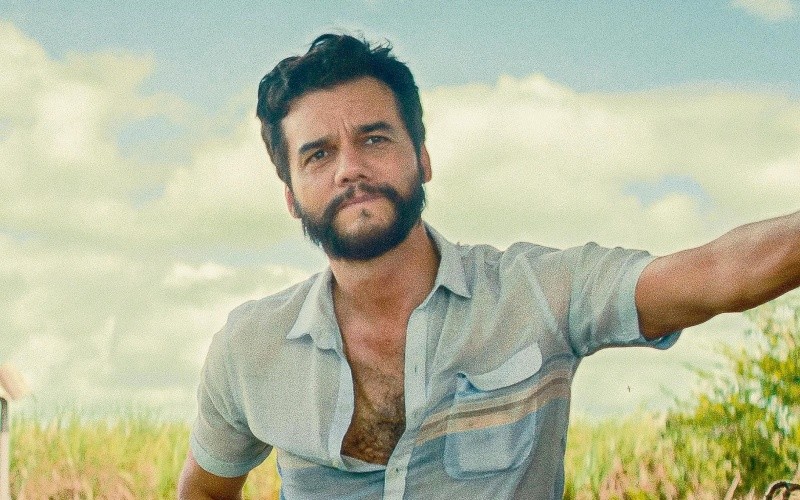
Among the prominent names frequently mentioned in discussions are Timothée Chalamet, Wagner Moura, Leonardo DiCaprio, and Michael B. Jordan, each backed by distinct segments of the voting body and commanding considerable critical acclaim for their respective roles.
The case of Timothée Chalamet has particularly fueled debate. Both critics concurred that his unusually intense promotional campaign might have inadvertently worked against him. Garibay suggested that an artistic work ideally should not require excessive spokespersons, and that over-explaining a performance can often prove counterproductive, potentially overshadowing the work itself. Araiza was more direct in his assessment: "I believe you never want your campaign to overshadow your performance," he stated. "His work was sufficient to win, but it ended up hurting him." Despite this, neither critic entirely dismissed the possibility of a surprise victory for any of the formidable nominees, reflecting the inherent unpredictability of the category.
Best Picture: Logic vs. the Lure of a Dark Horse
The coveted Best Picture category stages a compelling narrative duel. For Garibay, "A Battle After Another" (original: "Una batalla tras otra") remains the steadfast favorite, bolstered by its win at the Producers Guild of America (PGA) Awards. The PGA award is historically considered one of the strongest predictors of the Best Picture Oscar, boasting an impressive track record of aligning with the Academy’s ultimate choice in eight out of ten instances. "I would think it’s that one, especially considering it won the PGA," he explained, emphasizing the statistical weight of this precursor.
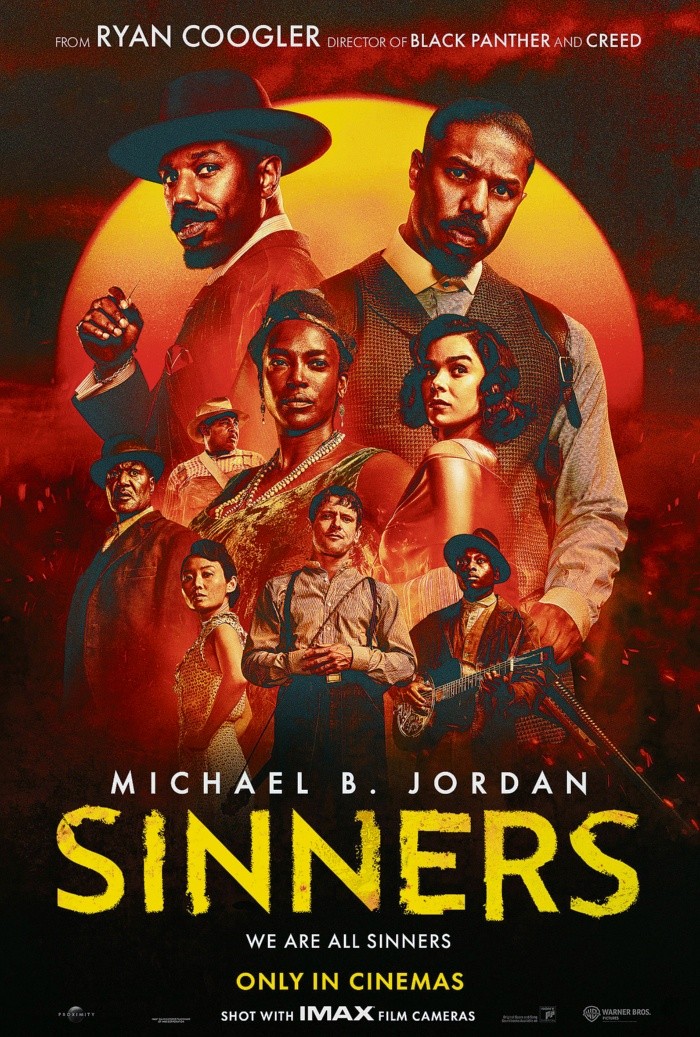
Araiza agreed that the logical trajectory points toward a victory for "A Battle After Another." However, he issued a compelling warning: "Sinners" could potentially orchestrate a historic upset, echoing the memorable defeat of "La La Land" by "Moonlight" at the 89th Academy Awards. That moment, when the wrong film was initially announced, became one of the most shocking and discussed moments in Oscar history. Araiza suggested that the recent momentum garnered by "Sinners" and its profound social impact could tilt the scales. "If I had to bet money, I think I’d go with ‘Sinners.’ I’m starting to smell a surprise," he affirmed, highlighting the narrative power and critical resonance that can sometimes override conventional predictions.
Best Director: Paul Thomas Anderson’s Moment?
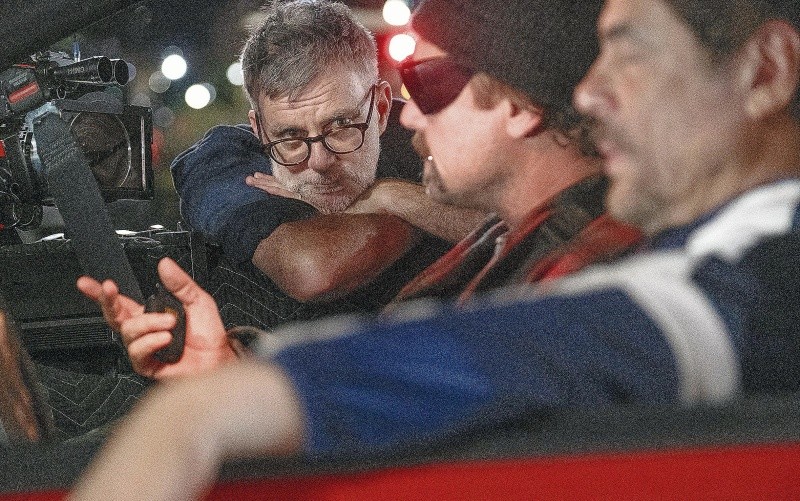
In the intensely competitive category of Best Director, both critics concurred in identifying Paul Thomas Anderson as the most solid candidate for his work on "A Battle After Another." Garibay highlighted the robust guild support Anderson has accumulated, along with his consistent recognition throughout the awards season, which collectively position him as a formidable contender. "He has the support of his guild and has won in almost all the ceremonies that influence the Oscar outcome," Garibay noted, referring to directorial awards from organizations like the Directors Guild of America (DGA), which often serve as a strong indicator for the Academy.
Araiza further underscored the historical reverence and deep respect Anderson commands within Hollywood, suggesting that this could finally consolidate a long-awaited and richly deserved recognition from the Academy. Despite multiple previous nominations for his acclaimed body of work, Anderson has yet to win an Oscar for Best Director, making this year a potentially significant milestone in his illustrious career.
"Sinners" and the Phenomenon of Multiple Nominations
With an unprecedented 16 nominations, "Sinners" has etched its name into Academy history as the most nominated film ever. This extraordinary achievement has, predictably, ignited considerable debate regarding whether the film truly merits such extensive recognition across categories.
Garibay contextualized this record by noting that the Academy now features a significantly expanded number of categories compared to past decades, naturally broadening the possibilities for a single film to accumulate numerous nominations. From his perspective, each of the film’s candidacies finds legitimate justification within its technical and artistic merits, suggesting that the sheer volume reflects the film’s comprehensive excellence rather than an arbitrary over-nomination.
Araiza added a crucial nuance, explaining that the sheer number of nominations does not necessarily define the historical quality or artistic merit of a work. He also pointed out that genre often plays a significant role in nomination counts: productions within the horror or fantasy genres, for instance, frequently compete in a greater number of technical categories (such as sound, visual effects, and makeup) than conventional dramas, which tend to focus more on acting, directing, and screenwriting. This perspective helps demystify the record, framing it within the evolving structure of the awards and the diverse nature of contemporary filmmaking.
Guillermo del Toro and the Triumph of Technical Artistry
The vibrant presence of Mexican cinema is also a prominent part of this year’s awards conversation, thanks to Guillermo del Toro’s "Frankenstein," which has garnered an impressive nine nominations, primarily in technical categories.
Garibay identified these technical achievements as the film’s greatest strength: an adaptation that is both visually ambitious and meticulously crafted. "It’s a beautifully filmed movie," he asserted. "The triumph lies there, in a very successful adaptation." This recognition underscores del Toro’s consistent prowess in world-building and visual storytelling, a hallmark of his distinguished career.
Araiza echoed the appreciation for the film’s technical mastery, though he candidly admitted that he does not consider it among the director’s finest works overall. Both critics agreed that Jacob Elordi, despite his strong performance, is unlikely to secure the Best Supporting Actor award, a category where Sean Penn is widely considered the leading favorite.
"Frankenstein" is competing in a comprehensive array of categories, including: Best Picture, Best Adapted Screenplay (Guillermo del Toro), Best Supporting Actor (Jacob Elordi), Best Cinematography, Best Production Design, Best Costume Design, Best Makeup and Hairstyling, Best Sound, and Best Original Score. The film has already demonstrated its strength in the technical arenas, recently winning the BAFTA Awards for Best Production Design, Best Costume Design, and Best Makeup and Hairstyling, further solidifying its prospects in these highly specialized fields.
When Cinema Confronts Reality: The Prospect of Political Discourse
Another recurring theme in discussions leading up to the ceremony is the apparent decrease in overtly political speeches during recent awards events. Garibay interpreted this relative silence as a potentially concerning indicator regarding the evolving relationship between artistic expression and pressing social realities. He argued that the absence of such discourse might signal a detachment, or even an avoidance, of the critical issues facing the world.
Conversely, Araiza posited that overt political stances might still emerge, contingent upon the outcomes of certain categories on the night. According to the critic, a potential victory for "The Voice of Hind Rajab" in the Best International Feature Film category could generate one of the most impactful and emotionally charged moments of the entire ceremony, given its profound thematic weight and urgent relevance.
The 2025 feature film, directed by Tunisian filmmaker Kaouther Ben Hania, centers on the tragic assassination of Hind Rajab, a five-year-old Palestinian girl who tragically died from Israeli Defense Forces’ gunfire on January 29, 2024, during the Israeli invasion of the Gaza Strip. Ben Hania developed her film using the original voice of Rajab, meticulously sourced from a harrowing 70-minute recorded telephone call that captured the child’s final moments. This innovative and deeply poignant approach to filmmaking imbues the narrative with an undeniable authenticity and emotional resonance.
It is particularly noteworthy that one of the film’s protagonists, Palestinian actor Motaz Malhees, publicly reported that he would be unable to attend today’s ceremony due to stringent migratory restrictions imposed on individuals from his country. This unfortunate circumstance itself serves as a powerful, albeit silent, political statement, underscoring the real-world implications of conflict and policy on individual lives and artistic representation on a global stage. The potential for "The Voice of Hind Rajab" to win, coupled with the actor’s inability to attend, would undoubtedly amplify the film’s message and ignite further discussion about the role of art in bearing witness to human suffering and injustice.
As the 98th Academy Awards unfold, they promise to be more than just a celebration of cinematic achievement; they will serve as a barometer for the industry’s evolving identity, its relationship with global events, and its capacity to adapt to the changing demands and expectations of a worldwide audience.




 Eva Lovia
 Julia Chirkova
 Nila Kartika Wati
 Jia Lissa
 admin
admin