
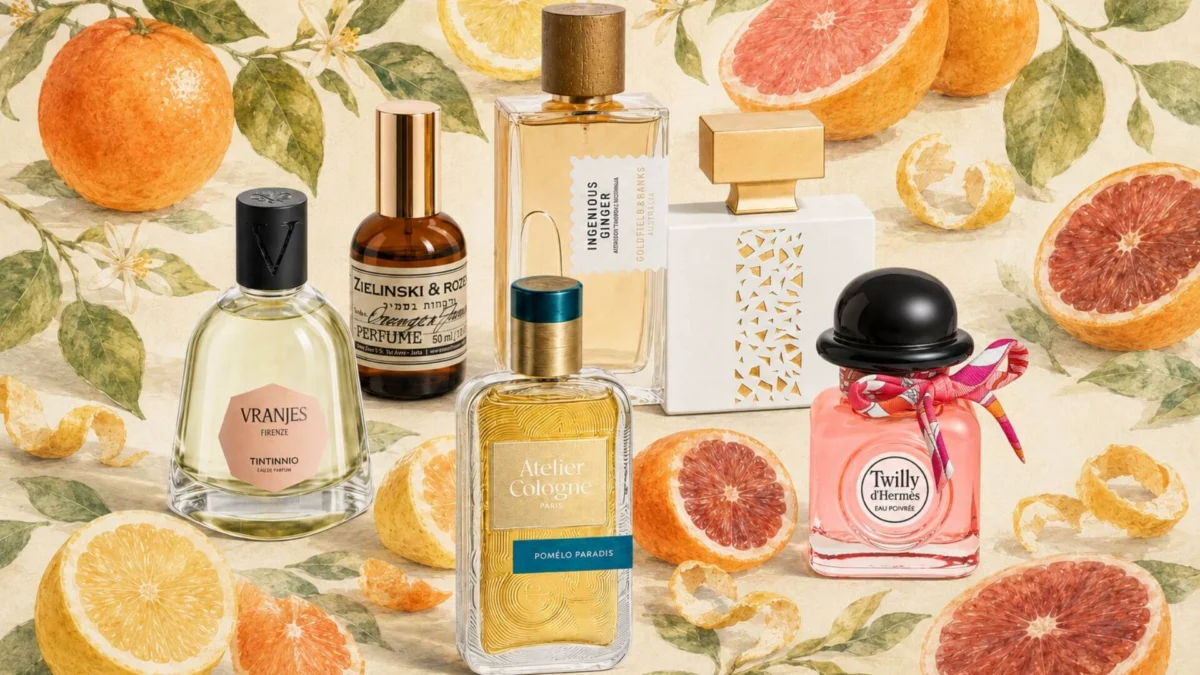
The selection of a citrus fragrance is rarely a simple choice between different fruits; rather, it is a decision regarding the very character and atmosphere one wishes to project. Citrus perfumes, or the Hesperidic family as they are known in professional perfumery, demand that the wearer choose between two primary olfactory paths: the crystalline, solar freshness of fruit juice and the deep, structured bitterness of the rind and spices. This fundamental divide defines the wearer’s presence, dictating whether a scent will be perceived as a clean, energizing "white t-shirt" fragrance or a sophisticated, nocturnal accessory. While both categories utilize the same botanical origins—lemons, oranges, grapefruits, and bergamots—their chemical architectures and evocative powers differ significantly, reflecting a broader evolution in the fragrance industry toward niche, character-driven compositions.
The Dual Nature of the Hesperidic Family
To understand the current landscape of citrus perfumery, one must first distinguish between the two primary sub-categories: fresh citrus and bitter citrus. Fresh citrus compositions are designed to evoke the sensation of freshly squeezed juice, damp peels, and cold morning air. These fragrances are characterized by their transparency and lightness, often incorporating watery notes, white florals like neroli or jasmine, and airy musks. They are engineered to be approachable and universally appealing, making them a staple for professional environments and casual daytime wear.
In contrast, bitter citrus fragrances focus on the cortex, the albedo (the white, bitter part of the fruit), and the essential oils found within the outer skin. These compositions are denser and more complex, frequently reinforced with spices, woods, and alcoholic accords. While fresh citrus seeks to illuminate, bitter citrus seeks to provide texture and depth. These scents are often reserved for evening wear or colder climates, where the warmth of wool and leather can interact with the fragrance’s spicy and woody base notes.

Historical Evolution and the Chronology of Citrus Scents
The history of citrus in perfumery is as old as the industry itself, but its application has shifted dramatically over the centuries.
- The 18th Century (The Birth of Cologne): The earliest citrus-based scents were "Eau de Colognes," popularized by Johann Maria Farina in 1709. These were strictly fresh, medicinal, and fleeting, designed for hygiene rather than long-term wear.
- The 19th Century (The Imperial Influence): Citrus became the hallmark of royalty, with Guerlain’s Eau de Cologne Impériale (1853) setting the standard for citrus-floral blends.
- The 1960s (The Synthetic Revolution): The introduction of Hedione in fragrances like Edmond Roudnitska’s Eau Sauvage (1966) allowed citrus notes to stay "radiant" for longer, bridging the gap between fresh and bitter facets.
- The 21st Century (Niche Specialization): Modern perfumery has moved toward "hyper-realistic" citrus. Brands like Atelier Cologne and Parle Moi de Parfum have pioneered the use of high-concentration essential oils to create citrus scents that last for eight hours or more, a feat previously thought impossible due to the high volatility of citrus molecules.
The Chemistry of Freshness: Analysis of Modern Compositions
Fresh citrus fragrances rely on high concentrations of limonene and linalool, molecules that provide that characteristic "zing." However, because these molecules evaporate quickly, perfumers must use specific "fixatives" to maintain the scent.
A primary example of this modern engineering is Neon Splash by Les Soeurs de Noë. This fragrance utilizes blood orange and grapefruit as its primary drivers, but it is the inclusion of mango and vanilla that provides a contemporary twist. The mango adds a "juicy" texture without the acidity of the citrus, while a base of white musk and amber ensures the fragrance adheres to the skin without becoming heavy. The result is a scent that mimics the sensation of a chilled fruit juice—refreshing, bright, and invigorating.
Similarly, Orange & Jasmine, Vanilla by Zielinski & Rozen demonstrates the power of minimalism. By focusing on just three components, the brand highlights the luminous quality of the orange. The jasmine provides a floral "bridge," and the vanilla adds a creamy, gourmand finish. This type of fragrance is particularly effective in mild climates and windy conditions, where the air can carry the light, clean molecules away from the skin, creating a subtle but noticeable trail.

The Architecture of Bitterness: Spices, Woods, and Alcohol
Bitter citrus fragrances are less about the "fruit" and more about the "plant." They often include the leaves (petitgrain) and the wood of the citrus tree to ground the scent. The bitterness is further enhanced by the addition of spices like ginger and cardamom, which mimic the tingle of a citrus rind.
Orange Hyper Essence / X by Parle Moi de Parfum is a masterclass in this category. It centers on bitter orange and ginger, but it is the unique "prosecco accord" that elevates it. The effervescence of the alcohol accord mimics the stinging sensation of citrus oil being sprayed from a peel. As the fragrance dries down, the cardamom provides a warm, spicy resonance that lingers long after the initial citrus burst has faded.
For those seeking even more depth, Angels’ Share On The Rocks by Kilian showcases how citrus can be used as a structural support rather than a main theme. While the fragrance is famous for its cognac and oak notes, the bitter orange in the base provides a necessary "cold" contrast to the warmth of the cinnamon and tonka bean. This creates a "crystal-clear" effect, similar to ice cubes in a glass of fine spirit, proving that citrus can be a vital component of heavy, nocturnal perfumes.
Market Data and Consumer Trends
Recent data from the global fragrance market suggests a significant resurgence in citrus-based scents, particularly in the niche sector. According to industry reports, the "Citrus-Aromatic" category has seen a 12% increase in sales over the last three years. This trend is attributed to several factors:

- The "Clean Girl" Aesthetic: A social media-driven preference for minimalist, "soap-and-water" scents has made fresh citrus a top choice for Gen Z and Millennial consumers.
- Wellness and Aromatherapy: Consumers increasingly view citrus (specifically bergamot and lemon) as a functional tool for stress reduction and mental clarity.
- Climate Change: As global temperatures rise, there is a measurable shift in consumer preference toward lighter, more refreshing fragrances that do not become cloying in the heat.
Expert Analysis: Choosing Based on Lifestyle and Character
The choice between fresh and bitter citrus should be viewed as an extension of one’s personal style and daily environment. Professional perfumers often use the analogy of textiles to describe these scents. A fresh citrus is like a white cotton shirt—crisp, reliable, and appropriate for any daylight setting. It is the ideal choice for office environments, gym settings, or casual weekend outings.
Bitter citrus, however, is akin to silk or heavy wool. It has a "tactile" quality that demands attention. These fragrances are better suited for:
- Evening Events: Where the complexity of the scent can compete with other environmental smells.
- Formal Settings: Where the woody and spicy undertones project authority and sophistication.
- Winter Months: When the cold air can "tame" the intensity of the spices, allowing the bitter orange to shine without being overwhelming.
Identifying Scent Profiles through the Olfactory Pyramid
To accurately identify which category a perfume falls into before purchasing, consumers should analyze the olfactory pyramid for specific "signal" notes.
Indicators of a Fresh Citrus:
- Top Notes: Lemon, Lime, Mandarin, Bergamot.
- Heart Notes: Neroli, Watery Accord, Green Tea, Lily of the Valley.
- Base Notes: White Musk, Light Woods (Cedar), Ambroxan.
Indicators of a Bitter Citrus:
- Top Notes: Bitter Orange (Bigarade), Grapefruit Peel, Ginger.
- Heart Notes: Cardamom, Black Pepper, Petitgrain, Rhubarb.
- Base Notes: Oakmoss, Vetiver, Patchouli, Cognac, Tobacco.
Implications for the Future of Fragrance
The ongoing refinement of citrus perfumes indicates a move away from the "one-size-fits-all" scents of the 1990s toward highly specific, mood-altering compositions. As extraction technologies continue to improve—such as CO2 extraction, which captures a more accurate profile of the fruit than traditional steam distillation—the line between "fresh" and "bitter" will likely become even more nuanced.

In conclusion, whether one prefers the solar energy of a fresh juice accord or the sophisticated grit of a spiced rind, the citrus family remains the most versatile tool in a wearer’s olfactory wardrobe. The modern consumer is no longer limited by the fleeting nature of these scents; instead, they are empowered to choose a citrus character that resonates with their personal narrative, transforming a simple fruit note into a profound statement of identity.

0 Comments