
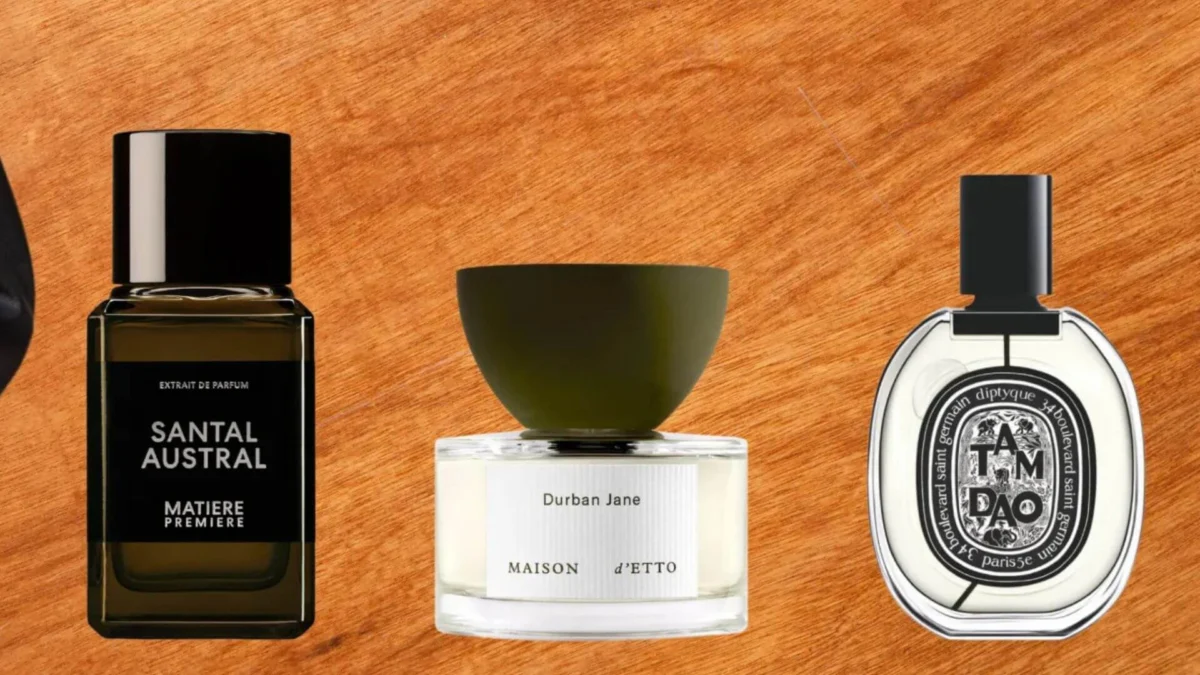
The global fragrance industry has witnessed a significant shift in consumer preference over the last decade, moving away from the overtly sugary gourmands of the early 2000s toward more grounded, complex, and gender-neutral compositions. At the heart of this olfactory evolution lies sandalwood, a raw material prized for centuries for its creamy, balsamic, and meditative properties. Often described as "liquid gold" by perfumers, sandalwood serves as more than just a base note; it is a structural foundation that provides longevity and a velvet-like texture to high-end formulations. As the market for niche and artisanal scents continues to expand—projected to reach a valuation of over $5 billion by 2028—understanding the nuance of sandalwood has become essential for the modern fragrance connoisseur.

The Botanical and Chemical Profile of Santalum Album
To appreciate the sophistication of a sandalwood perfume, one must first understand the botanical complexity of the source material. True sandalwood is derived from the Santalum genus, with Santalum album (Indian Sandalwood) and Santalum spicatum (Australian Sandalwood) being the most prominent varieties used in commercial perfumery. The essential oil is extracted through steam distillation of the heartwood, a process that requires the tree to reach a minimum age of 15 to 30 years to ensure the development of santalol, the chemical compound responsible for its signature aroma.
According to Clément Gavarry, a lead perfumer at DSM-Firmenich, the chemical composition of sandalwood allows it to act as a superior fixative. "Sandalwood provides warmth, creaminess, and depth to a fragrance," Gavarry explains. "It functions as a base that structures the composition and leaves a smooth, long-lasting finish." This structural integrity is why sandalwood is frequently paired with volatile top notes like citrus or delicate florals, as it anchors these lighter molecules to the skin, extending the life of the fragrance for eight hours or more.

A Chronology of Sandalwood in Modern Perfumery
The use of sandalwood in scent is not a modern phenomenon, but its interpretation has changed drastically across different eras. In the early 20th century, sandalwood was primarily used in the "Oriental" (now often referred to as Amber) fragrance family to add weight to spicy accords. However, the 1990s and early 2000s saw a shift toward transparency and minimalism.
The current "Sandalwood Renaissance" can be traced back to the mid-2010s, when niche houses began to highlight the ingredient as a soliflore—a fragrance designed to showcase a single note. This movement coincided with the rise of "quiet luxury" in fashion, where consumers sought scents that felt intimate and personal rather than loud or intrusive. Today, sandalwood is celebrated for its "skin-scent" quality, mimicking the natural warmth of human skin while adding a layer of professional polish and sophistication.

Technical Analysis of Leading Sandalwood Formulations
The following selections represent the pinnacle of modern sandalwood interpretation, ranging from intense extraits to versatile daily wears. Each formulation utilizes different facets of the wood—its creaminess, its spiciness, or its resinous depth—to achieve a specific emotional and aesthetic effect.
1. The Apex of Intensity: Matiere Premiere Santal Austral Extrait
Matiere Premiere, under the direction of perfumer Aurélien Guichard, has gained a reputation for its "ingredient-first" philosophy. In Santal Austral Extrait, the sandalwood is amplified to its highest possible concentration. This version is a study in texture, utilizing iris to provide a powdery, buttery opening that transitions into a heart of almond milk. The inclusion of cardamom adds a dry, spicy contrast, while tonka bean provides a toasted sweetness. Data suggests that extrait de parfum concentrations, which typically contain 20% to 40% aromatic compounds, are seeing a 15% year-over-year increase in sales as consumers prioritize longevity over initial sillage.

2. The Atmospheric Classic: Diptyque Tam Dao Eau de Parfum
Inspired by the holy forests of Indochina, specifically the Tam Đảo National Park in Vietnam, this fragrance is a masterclass in woody precision. Unlike the sweeter, more lactonic interpretations of sandalwood, Tam Dao leans into the "green" and resinous aspects of the wood. It utilizes cypress and myrtle to create a forest-floor atmosphere, while coriander provides an aromatic dryness. The sandalwood here is clean and architectural, making it a staple for those who prefer a scent that feels grounded and naturalistic rather than synthetic.
3. The Cultural Icon: Tom Ford Santal Blush
Santal Blush has achieved iconic status in the luxury market, often cited as a benchmark for "creamy" woods. This fragrance leans into the floral-woody category, utilizing ylang-ylang and cinnamon to create an exotic, almost intoxicating warmth. Market analysis indicates that Santal Blush remains a top performer in the Tom Ford Private Blend collection due to its perceived femininity and its ability to transition seamlessly from day to evening wear.

4. The Regal Fusion: Guerlain Santal Royal
Guerlain’s Santal Royal represents the intersection of Western perfumery traditions and Middle Eastern olfactory preferences. This composition pairs sandalwood with a potent oud accord and leather, creating a profile that is dark, smoky, and authoritative. The addition of jasmine and rose provides a "damp" floral contrast that prevents the wood from becoming overly dry. This fragrance is often cited by industry experts as a prime example of the "Globalized Scents" trend, where traditional Eastern ingredients are refined with French technical expertise.
5. The Niche Evolution: Maison d’Etto Durban Jane
Maison d’Etto is part of a new wave of niche houses that focus on "olfactory portraits." Durban Jane combines sandalwood with pink pepper and labdanum to create a scent that is both spicy and resinous. The use of iris here provides a "cosmetic" or "lipstick" accord, which, when paired with the creaminess of the sandalwood, results in a fragrance that feels deeply personal and sophisticated.

6. The Heritage Luxury: Clive Christian Crab Apple Blossom
As part of the Crown Collection, this fragrance explores the lighter, more aquatic side of sandalwood. By pairing the wood with apple blossom and sea-lily, Clive Christian creates a "citrus-aquatic" profile that remains anchored by a musk and sandalwood base. At a price point of approximately 465 euros, it targets the ultra-high-net-worth demographic, emphasizing the rarity and quality of its raw materials.
7. The Modern Versatility: MCM Eau de Parfum
Representing the entry point for younger consumers, MCM’s signature scent utilizes sandalwood as a balancing agent for fruity notes like raspberry. The inclusion of ambroxan provides a clean, "molecular" finish that appeals to the Gen Z and Millennial preference for transparency and wearability.

The Economic and Sustainability Landscape
The surge in demand for sandalwood has created significant pressure on natural resources. For decades, the over-harvesting of Indian Sandalwood led to its classification as a vulnerable species, resulting in strict export quotas by the Indian government. This scarcity led to the rise of the Australian sandalwood industry, which now provides a more sustainable and ethically sourced alternative through large-scale plantations in Western Australia.
Furthermore, the fragrance industry has seen a rise in "biotech" sandalwood. Companies like Givaudan and Firmenich have developed synthetic molecules—such as Javanol and Dreamwood—that replicate the olfactory profile of natural sandalwood while being biodegradable and carbon-neutral. These innovations allow perfumers to achieve the desired "creamy" effect without depleting natural forests, a factor that is increasingly important to eco-conscious consumers.

Expert Analysis: Integration and Layering
For the consumer, the versatility of sandalwood makes it an ideal candidate for "fragrance wardrobing." Because of its molecular stability, it layers exceptionally well with other scent families. Clément Gavarry suggests that those new to the note should look for combinations involving vanilla or musk, which enhance the wood’s natural sweetness. For a more avant-garde approach, layering a sandalwood-heavy scent with a sharp citrus cologne can create a sophisticated "hot and cold" contrast that is highly effective in professional settings.
Future Implications for the Fragrance Market
As we look toward 2030, the role of sandalwood in perfumery appears secure. The "wellness" trend in fragrance—where scents are marketed for their stress-reducing and meditative properties—aligns perfectly with sandalwood’s historical use in aromatherapy and spiritual rituals. We expect to see a continued proliferation of "functional fragrances" that utilize high-quality sandalwood to provide a sense of calm and focus in an increasingly digital and fast-paced world.

In conclusion, sandalwood is far more than a fleeting trend. Its ability to convey power through subtlety and luxury through texture ensures its place as a cornerstone of the olfactory arts. Whether interpreted through the smoky lens of oud or the bright clarity of citrus, sandalwood remains the ultimate expression of sophistication in a bottle.

0 Comments