
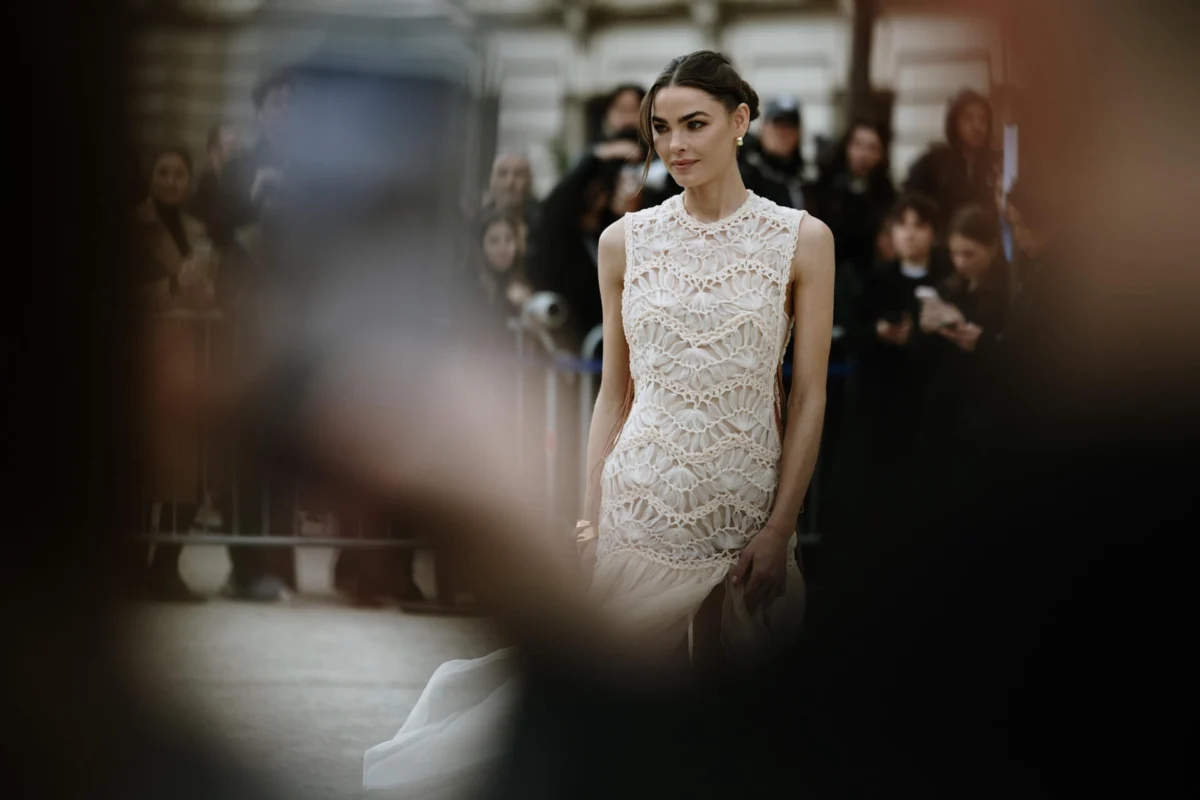
As the calendar turns to late March 2026, a significant shift in the European fashion landscape has become evident, characterized by a decisive move away from the heavy layers of winter toward the airy, ethereal aesthetic of the Ibizan-inspired boho chic movement. This transition, coinciding with the arrival of Semana Santa (Holy Week), marks a pivotal moment for the retail sector and consumer behavior across the Mediterranean. According to recent meteorological reports from the State Meteorological Agency (AEMET), the holiday period is expected to be defined by clear skies and abundant sunshine, though tempered by significant thermal contrasts between day and night. This specific climatic reality has necessitated a versatile approach to dressing, positioning the "boho" white dress not merely as a stylistic choice but as a functional necessity for the spring season.

The resurgence of the bohemian aesthetic in 2026 follows a period of strict minimalism that dominated the 2025 autumn-winter collections. Fashion analysts note that the current demand for white and ecru tones, characterized by intricate textures, embroidery, and ruffles, represents a collective desire for lightness and renewal. The "Ibizan" style—historically rooted in the Adlib fashion movement of the 1970s—has been modernized for the 2026 season, blending traditional craftsmanship with contemporary silhouettes that cater to a wide range of social engagements, from traditional religious processions to informal seaside gatherings.
The Influence of Meteorological Stability on Retail Trends
The current fashion surge is inextricably linked to the weather patterns recorded in the final week of March 2026. AEMET has confirmed that while the risk of precipitation remains low across the Iberian Peninsula, temperatures are experiencing fluctuations of up to 15 degrees Celsius within a single twelve-hour cycle. In cities like Seville, Madrid, and Valencia, daytime highs are reaching the mid-20s, while evening temperatures drop significantly.

This "thermal seesaw" has directly influenced the way consumers are styling their spring wardrobes. The boho dress, typically made from breathable cotton or linen, serves as a foundational piece that can be easily adapted. Retail data suggests that sales of lightweight blazers, oversized denim jackets, and structured trench coats have spiked by 18% in the weeks leading up to Easter, as shoppers look for outer layers that complement the volume and texture of bohemian dresses without obscuring their design.
The Anatomy of the 2026 Boho Dress
The 2026 iteration of the boho chic dress is defined by several key technical and aesthetic elements. Unlike previous seasons where bold prints dominated, the current trend prioritizes "quiet luxury" within the bohemian framework. This is achieved through:

- Textural Play: The use of broderie anglaise (Swiss embroidery), honeycomb stitching, and crochet inserts provides depth to monochromatic white garments.
- Volumetric Silhouettes: Tiered skirts and balloon sleeves remain central, though there is a move toward more structured waistlines to provide a more "elegant" and "polished" look suitable for formal events.
- Fabric Innovation: There is a notable increase in the use of organic hemp and recycled cotton blends, reflecting a broader industry shift toward sustainability.
Anna Pardo, a prominent journalist specializing in fashion and lifestyle, observes that the current preference for white and ecru allows for maximum versatility. These neutral tones act as a canvas for high-contrast accessories, such as leather sandals, raffia bags, and bold gold jewelry, which have become staples of the 2026 spring aesthetic.
Economic Impact and the Democratization of Style
A significant factor in the widespread adoption of the boho chic trend this year is the aggressive pricing strategy adopted by major high-street retailers. Brands such as Sfera, Zara, and H&M have released collections where high-quality, "expensive-looking" dresses are available for under 30 euros. This price point has democratized the trend, allowing a broader demographic to access the seasonal "look" without significant financial investment.

Market research indicates that the "fast-fashion" sector has successfully replicated the intricate detailing typically found in high-end designer boutiques. For instance, Sfera’s latest line features seven distinct white dresses that utilize laser-cutting technology to mimic hand-stitched embroidery, all priced competitively to capture the holiday market. Similarly, Zara has focused on "dinner-ready" variants—dresses with more streamlined silhouettes and satin finishes that cater to the evening social calendar of Semana Santa.
This strategic pricing has resulted in a 22% increase in year-on-year sales for the "dresses" category during the first quarter of 2026. Analysts suggest that the combination of affordable pricing and the psychological "rebound effect" of the first sunny week of the year has created a perfect storm for retail growth.

Historical Context: From Adlib to Modern Boho
To understand the 2026 obsession with the Ibizan dress, one must look back to the origins of Adlib fashion. Created in Ibiza in 1971 by Yugoslavian princess Smilja Mihailovitch, the movement was founded on the philosophy: "Viste como quieras, pero con estilo" (Dress as you like, but with style). It was a reaction against the rigid fashion norms of the time, promoting freedom, movement, and the use of natural, local fabrics.
In 2026, this philosophy has been reinterpreted for a digital-first generation. The "modern boho" is less about the hippie counter-culture of the 70s and more about a sophisticated, nomadic lifestyle. Social media platforms have played a crucial role in this evolution, with influencers and fashion editors promoting the "white dress" as a timeless investment rather than a fleeting trend. This shift toward "timelessness" is a key component of the 2026 fashion narrative, as consumers increasingly seek items that can transition from spring to the height of summer.

Chronology of the Spring 2026 Fashion Cycle
The emergence of the boho trend followed a clear timeline throughout the early months of 2026:
- January 2026: Early spring previews in Paris and Milan hinted at a return to romanticism, with several major houses showcasing white lace and sheer fabrics.
- February 2026: High-street retailers began integrating "transitional" boho pieces—long-sleeved midi dresses in heavier cottons—into their winter clearance stock.
- March 1-15, 2026: As the AEMET long-range forecast predicted a dry and sunny Easter, marketing campaigns shifted heavily toward the "Ibizan" aesthetic.
- March 20-27, 2026: The "peak" of the trend was reached. Retailers reported stockouts of key white dress models, particularly those featured in prominent fashion publications like Marie Claire.
Broader Implications and Sustainability
The dominance of the white boho dress also brings to light the ongoing discussion regarding the environmental footprint of the fashion industry. While the 2026 collections have seen an increase in natural fibers, the rapid turnover of holiday-specific clothing remains a challenge. However, industry experts argue that the white dress is inherently more sustainable than trend-heavy prints because of its longevity. A well-made white cotton dress is a perennial favorite that can be brought out of the "back of the wardrobe" year after year, as noted in recent consumer surveys.

Furthermore, the trend has provided a boost to local artisans. In regions like the Balearic Islands, traditional lacemakers and textile workers have seen a renewed interest in their craft, as premium brands seek authentic "Made in Spain" credentials to differentiate themselves from mass-market competitors.
Conclusion: A Season of Light and Versatility
As Semana Santa 2026 progresses, the sight of white, flowing silhouettes against the backdrop of historic Spanish cities has become the defining image of the season. The boho chic movement has successfully navigated the challenges of a fluctuating climate by offering a solution that is both aesthetically pleasing and practically viable.

With the support of a stable meteorological outlook and a retail sector that has mastered the balance between luxury aesthetics and affordable pricing, the white Ibizan dress has solidified its status as the "must-have" garment of the year. Whether paired with a structured blazer for a midday procession or worn with sandals for a dinner by the sea, the boho dress represents the quintessential spirit of Spring 2026: a celebration of light, tradition, and the enduring appeal of effortless style. As the season moves toward summer, this trend is expected to evolve further, but the foundation remains the same—a commitment to elegance that refuses to be dampened by the occasional evening chill.

0 Comments