
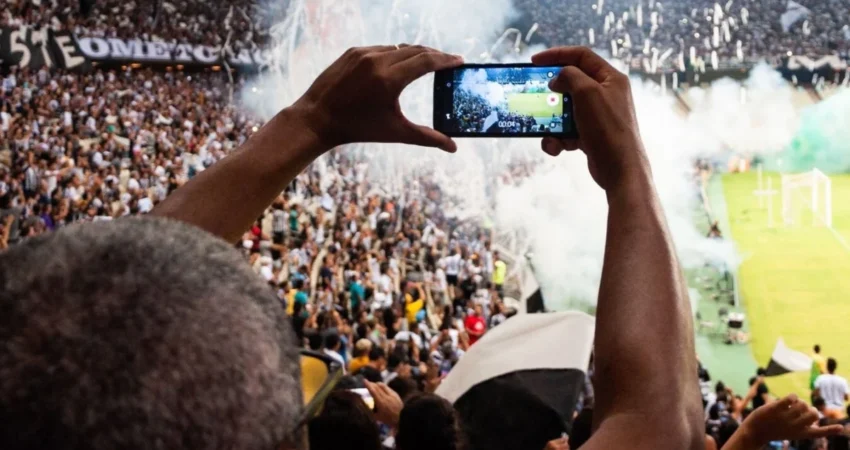
The traditional image of the Mexican sports fan—seated in front of a living room television at a fixed hour—is rapidly fading into obsolescence as a multi-platform, digital-first era takes hold. According to the latest findings from the IBM Sports Intelligence Report, the way audiences in Mexico engage with their favorite teams and athletes has undergone a structural shift, moving away from linear broadcasting toward a fragmented ecosystem of social media, subscription streaming, and specialized mobile applications. This evolution is not merely a change in hardware but a fundamental transformation in consumer behavior, where the demand for real-time statistics, creator-driven commentary, and on-demand highlights now outweighs the draw of traditional scheduled programming.
The study, conducted by Morning Consult in June 2026, surveyed more than 20,000 sports fans across 12 countries, providing a comprehensive look at the global state of sports consumption. Among the nations studied, Mexico emerged as a global leader in the adoption of digital alternatives, frequently outpacing international averages in its reliance on non-traditional media. As the sporting world prepares for major international events, including the 2026 FIFA World Cup which Mexico will co-host, these data points suggest that the infrastructure of sports media must pivot to meet an audience that is increasingly mobile, interactive, and tech-savvy.
The Dominance of Social Media in the Mexican Market
For the Mexican sports fan, social media is no longer a secondary "second-screen" experience; it has become the primary destination for sports content. The IBM report reveals that a staggering 73% of Mexican respondents use social platforms to consume sports-related material. This figure is significantly higher than the global average of 60%, highlighting a cultural preference for the immediate, bite-sized, and communal nature of platforms like TikTok, X (formerly Twitter), Instagram, and YouTube.

The shift toward social media is driven by the desire for a comprehensive experience that linear television cannot provide. A modern fan might first encounter a viral highlight on a social feed, check live scores on a dedicated app, watch a post-game summary on video platforms, and then engage in deep-dive analysis through user comments or creator-led podcasts. This non-linear journey allows the fan to curate their own experience, prioritizing the aspects of the sport—whether statistics, drama, or technical analysis—that interest them most.
In contrast, traditional news formats are seeing a decline in relative importance. While 49% of Mexican fans still turn to televised sports news or video reports (slightly above the 45% global average), written news articles have a much smaller footprint in Mexico. Only 20% of Mexican fans utilize written articles for sports consumption, compared to a 29% global average. This suggests a visual-first and video-centric preference among the Mexican demographic, where the speed of a video clip or an infographic carries more weight than a long-form editorial.
A Chronological Reversal: Streaming Overtakes Traditional TV
Perhaps the most significant finding in the 2026 report is the definitive "tipping point" where subscription streaming surpassed traditional television for live sports broadcasts in Mexico. The data illustrates a rapid two-year transition that has reshaped the media landscape.
In 2025, traditional television still held a comfortable lead in Mexico, with 30% of fans preferring it for live events, while subscription streaming trailed at 23%. However, by June 2026, the roles had reversed. Subscription streaming rose to 28%, while traditional television fell to 25%. This 8-point swing in just twelve months underscores the speed at which Mexican consumers are abandoning cable and satellite packages in favor of digital platforms.

Globally, the gap is much narrower, with 30% of fans preferring streaming and 29% choosing traditional TV. Mexico’s sharper decline in traditional TV viewership suggests a more aggressive transition toward digital-only lifestyles. The primary driver for this shift is convenience, cited by 43% of fans worldwide. The ability to watch a match on a smartphone during a commute or on a tablet in a different room has broken the "appointment viewing" model that sustained the television industry for decades. Additionally, 27% of fans cite access to exclusive content—such as specific leagues or matches only available on platforms like ViX, Netflix, or Disney+—as a major reason for the switch.
The Influence of Content Creators and the Generation Gap
The rise of the independent content creator is another pillar of this new sports economy. The IBM report indicates that 49% of fans globally now follow sports content creators, a figure that surges among Gen Z and Millennial demographics. These creators, ranging from tactical analysts on YouTube to lifestyle influencers on Instagram, are often viewed as more authentic and relatable than traditional studio pundits.
The influence of these digital personalities extends far beyond the final score. Approximately 70% of those who follow sports creators admit that these figures influence their opinions on topics outside of athletics, including fashion, music, and technology. This cross-pollination of interests makes sports creators incredibly valuable to advertisers, as they provide a gateway into the broader lifestyle habits of the younger audience. In Mexico, where social media usage is exceptionally high, the "creator effect" is a vital component of how sports brands and leagues must now communicate with their fans.
The Fragmentation Crisis and the Search for Integration
Despite the enthusiasm for digital platforms, the transition has not been without its frustrations. The proliferation of various streaming services has led to a highly fragmented market where fans must navigate multiple subscriptions to follow a single team or league.

The study found that 39% of global fans feel frustrated by the need to manage multiple accounts and payments to access the sports they love. This "subscription fatigue" is even more pronounced among Gen Z, where the frustration level reaches 46%. This generation, while the most digitally native, is also the most sensitive to the logistical and financial burden of a fragmented media landscape.
This frustration has birthed a new demand: the desire for a "super app" or a centralized sports hub. The IBM report shows that 72% of fans already use sports applications, and 74% trust these digital platforms to provide accurate, real-time information. Furthermore, 47% of respondents indicated they would be likely to download a centralized application that aggregated all sports content into one place.
However, a significant hurdle remains: the willingness to pay. While fans want the convenience of integration, only 29% said they would be willing to pay for such a centralized service. To bridge this gap, fans identified specific "premium" features that might entice them to subscribe:
- Centralization: 61% would pay if it meant having all content in one place.
- Exclusive Access: 61% value premium live broadcasts.
- Ad-Free Experience: 58% are willing to pay to remove interruptions.
- Exclusive Content: 58% want behind-the-scenes or unique footage.
The Growing Role of AI and Digital Commerce
As the digital experience matures, it is expanding into the realms of artificial intelligence and integrated commerce. In Mexico, fans are showing a surprising level of openness to emerging technologies. The report highlights that 69% of Mexican fans trust sports content generated by Artificial Intelligence (AI), such as automated summaries, AI-driven stats, or predictive modeling. This is notably higher than the global trust level of 59%, suggesting that Mexico could be a primary testing ground for AI-integrated sports broadcasting.
Furthermore, the "sports app" is evolving into a commercial hub. Within the last year, 33% of surveyed fans used an app to purchase tickets, 30% ordered food or beverages during an event via a digital platform, and 29% purchased official merchandise. This integration of the physical and digital worlds—often referred to as "phygital" experiences—is becoming the standard for modern stadium and arena operations.
Analysis of Implications: A High-Stakes Future for Broadcasters
The data provided by the IBM Sports Intelligence Report 2026 paints a picture of a market in flux. For traditional broadcasters in Mexico, the message is clear: the era of being the "sole gatekeeper" of sports content is over. To survive, legacy media must find ways to integrate with social platforms and offer streaming options that prioritize user experience and mobility.
For advertisers, the shift toward social media and creators offers a more targeted, albeit more complex, way to reach consumers. The high level of trust in AI and the rising expectations for digital experiences—59% of Mexican fans say their expectations for digital sports have increased in the last two years—means that brands must invest in high-tech, interactive campaigns to remain relevant.
As Mexico moves toward the 2026 World Cup, the pressure on digital infrastructure will only intensify. The fan of 2026 does not just want to watch the game; they want to live it through a symphony of screens, data points, and social interactions. The television is still in the room, but it is no longer the center of the universe. In the new Mexican sports landscape, the "game" is happening everywhere at once.

0 Comments