
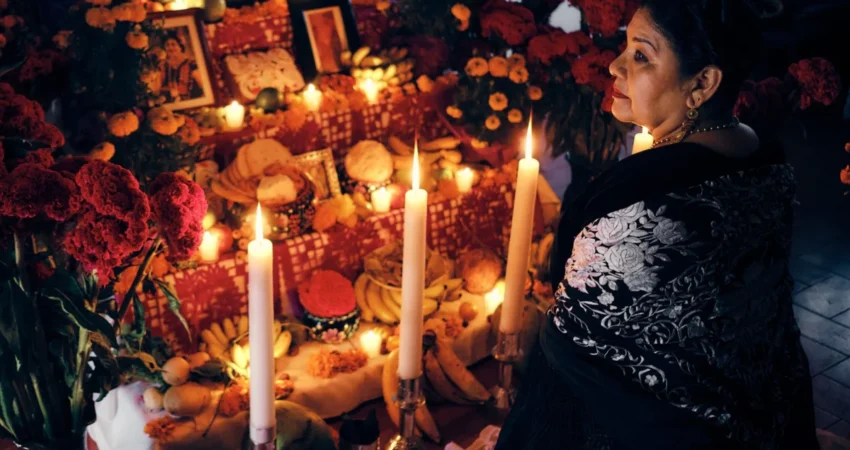
The Mexican tradition of the ofrenda, or altar for the Day of the Dead, represents a complex cultural tapestry that transcends simple memorialization to become a sophisticated ritual of welcome for the deceased. These domestic installations, primarily constructed during the first two days of November, serve as a symbolic bridge between the temporal and the eternal, functioning as a microcosm of familial history and communal identity. In contemporary Mexico, the ofrenda is not merely a decorative arrangement but a preserved body of ancestral knowledge, transmitted through generations and manifested in the sensory details of copal incense, pan de muerto, and the intricate geometries of papel picado. This practice, recognized by UNESCO as part of the Intangible Cultural Heritage of Humanity since 2008, continues to evolve while maintaining its core function: providing a tangible space for the return of souls to the world of the living.
Historical Foundations: The Convergence of Two Worlds
The origin of the ofrenda is rooted in a profound syncretism between Mesoamerican indigenous rites and European Catholic traditions. To understand the modern altar, one must examine the pre-Hispanic foundations, particularly the Mexica (Aztec) rituals surrounding death. In the Mexica worldview, death was not an end but a transition to various destinations depending on the manner of passing. The most common destination was Mictlán, a nine-level underworld governed by Mictlantecuhtli and Mictecacíhuatl.
Historical records indicate that the Mexica practiced rituals known as quitonaltia, a Nahuatl term meaning "to give good fortune" to the departed. These ceremonies involved offering objects that the soul would require to navigate the arduous journey through Mictlán, including food, water, and sacrificial items. Unlike the modern fixed dates of November 1 and 2, these indigenous celebrations occurred at various times throughout the solar calendar, often coinciding with the end of the agricultural cycle, emphasizing the link between the harvest and the cycle of life and death.
The Spanish conquest in the 16th century introduced European Catholic influences, specifically the feasts of All Saints (Todos los Santos) and All Souls (Los Fieles Difuntos). Research by Mexican historians, including the late Elsa Malvido, suggests that many contemporary elements of the Day of the Dead have roots in medieval European traditions. In parts of France and Spain, it was customary to display the relics of martyrs and saints—bones, skulls, or soil from graves—on elaborate altars to seek divine intercession. The Jesuits played a significant role in disseminating these practices in the New Spain colony. Over centuries, these disparate traditions merged: the indigenous concept of providing for the soul’s journey fused with the Catholic liturgy and the European "dance of death" iconography. This synthesis explains why a modern altar might feature a Catholic image of the Virgin of Guadalupe alongside pre-Hispanic cempasúchil (marigolds) and sugar skulls that echo both tzompantli (skull racks) and European memento mori.
The Anatomy of the Ofrenda: Symbolism and Structure
A traditional ofrenda is structured to represent the different levels of existence. While domestic altars vary in size, they typically follow a hierarchy of two, three, or seven levels. A two-level altar represents the division between earth and sky, while a three-level altar symbolizes the earth, the sky, and the underworld (or the Holy Trinity in a Catholic context). The most elaborate version, the seven-level altar, represents the seven steps the soul must take to reach rest, or alternatively, the seven deadly sins.
The elements placed upon these levels are meticulously chosen for their symbolic utility:
- Water: Placed in a glass, it serves to quench the soul’s thirst after its long journey from the afterlife and symbolizes the purity of the soul.
- Salt: Acts as a purifying element, ensuring that the body does not corrupt during its transition between worlds.
- Cempasúchil (Marigold): Known as the "flower of four hundred lives," its vibrant orange color and pungent scent are believed to create a path that guides the souls to the altar.
- Copal and Incense: Used to cleanse the space of evil spirits and to carry the prayers of the living to the heavens.
- Bread (Pan de Muerto): A ritual bread that represents the "body" of the deceased, often decorated with bone-shaped dough.
- Photography: A portrait of the individual to whom the altar is dedicated, placed on the highest level to indicate their honored status.
- Personal Objects: The favorite foods, beverages (such as mezcal or tequila), and belongings of the deceased are included to provide comfort and recognition.
Regional Case Studies: The Oaxacan Tradition
While the Day of the Dead is celebrated across Mexico, the state of Oaxaca is widely regarded as the cultural epicenter of the tradition. In Oaxaca, the celebration is not a singular event but a month-long preparation that culminates in a multi-day festival of light, flavor, and community. The diversity of Oaxaca’s sixteen indigenous groups results in a plurality of altar styles, each reflecting the specific geography and resources of the region.
Santa María Atzompa: The Legacy of Clay
In the community of Santa María Atzompa, the Ruiz López sisters—Rufina, Cecilia, María, and Carmen—represent the fifth generation of potters. For this family, the ofrenda is inextricably linked to the earth. Their altars are characterized by the use of "barro pastillaje," a traditional pottery technique where small decorative elements are appliquéd onto the clay. The sisters begin preparations weeks in advance, molding incense burners and candle holders specifically for the season. Their altar serves as a testament to their lineage, where the craft of pottery is the primary language used to communicate with their ancestors.

Teotitlán del Valle: The Path of Light
In Teotitlán del Valle, a Zapotec community famous for its textiles, the focus of the ofrenda shifts toward the "velas de concha" or shell candles. Viviana Alavez and her family (Petra Mendoza, Itzel Hernández, and Guillermina Ruiz Carrillo) are renowned for creating these artisanal beeswax candles. In their household, the altar is a luminous installation where the light of the candles is the primary guide for souls navigating the Mictlán. These candles are often intricately decorated with wax flowers, symbolizing the fragility and beauty of life.
San Francisco Ixhuatán: The Seven Levels of Existence
Deyanira Aquino Pineda, a traditional cook known as "La Teca," maintains the rigorous tradition of the seven-story altar in San Francisco Ixhuatán. As a guardian of Oaxacan gastronomy, her ofrenda is a monument to abundance. It features traditional mole negro, tamales, marquesitas (crispy crepes), and seasonal fruits. Each of the seven levels represents a stage of the earthly and spiritual journey, emphasizing the belief that death is a structured progression rather than an abrupt end.
Chronology of the Observance
The contemporary celebration follows a specific timeline that dictates which souls are welcomed on which days:
- October 27: Ofrendas are often opened for pets that have passed away.
- October 28: Dedicated to those who died in accidents or violent circumstances.
- October 29: Dedicated to those who died by drowning.
- October 30 and 31: Dedicated to the "limbos" or children who died before being baptized.
- November 1 (All Saints’ Day): Dedicated to "los angelitos," children who died after baptism.
- November 2 (All Souls’ Day): The main celebration dedicated to all deceased adults.
By the evening of November 2, the "despedida" or farewell begins, where families often visit cemeteries to decorate graves, share meals with the dead, and eventually dismantle the home altars, consuming the food that has now "lost its essence" to the visiting spirits.
Economic and Social Implications
The Day of the Dead has significant economic implications for Mexico. According to data from the Mexican Ministry of Tourism (SECTUR), the holiday generates billions of pesos in revenue annually. In 2023, the economic impact was estimated to exceed 41 billion pesos nationwide, driven by domestic and international tourism. The production of cempasúchil is a major agricultural sector, with Mexico producing over 20,000 tons of the flower annually, primarily in states like Puebla, Guerrero, and Michoacán.
Furthermore, the tradition has faced the challenges of globalization. The influx of Halloween imagery from the United States and the global popularity of films like Pixar’s Coco have led to a "spectacularization" of the holiday. In Mexico City, the annual Day of the Dead parade—now a major tourist draw—was actually inspired by a fictional parade depicted in the 2015 James Bond film Spectre. While some critics argue this commercialization dilutes the ritual’s solemnity, others suggest that the increased visibility has encouraged younger generations to reclaim and preserve their heritage against the tide of cultural homogenization.
Broader Impact and Cultural Persistence
The persistence of the ofrenda tradition in the 21st century highlights the resilience of Mexican identity. It functions as a form of collective memory that resists the erasure of individuals from history. By naming the dead and providing for them, Mexican families perform an act of resistance against the finality of death.
The ofrenda also serves a vital psychological and social function. It provides a structured space for grief, allowing the bereaved to maintain a relationship with the deceased in a celebratory rather than mournful context. In a modern world often characterized by a "death-denying" culture, the Mexican ofrenda offers an alternative model: one where death is integrated into the rhythm of life, and where the dead remain active members of the community. As long as the aroma of copal rises and the marigold paths are laid, the tradition ensures that no one is truly gone as long as they are remembered.

0 Comments