
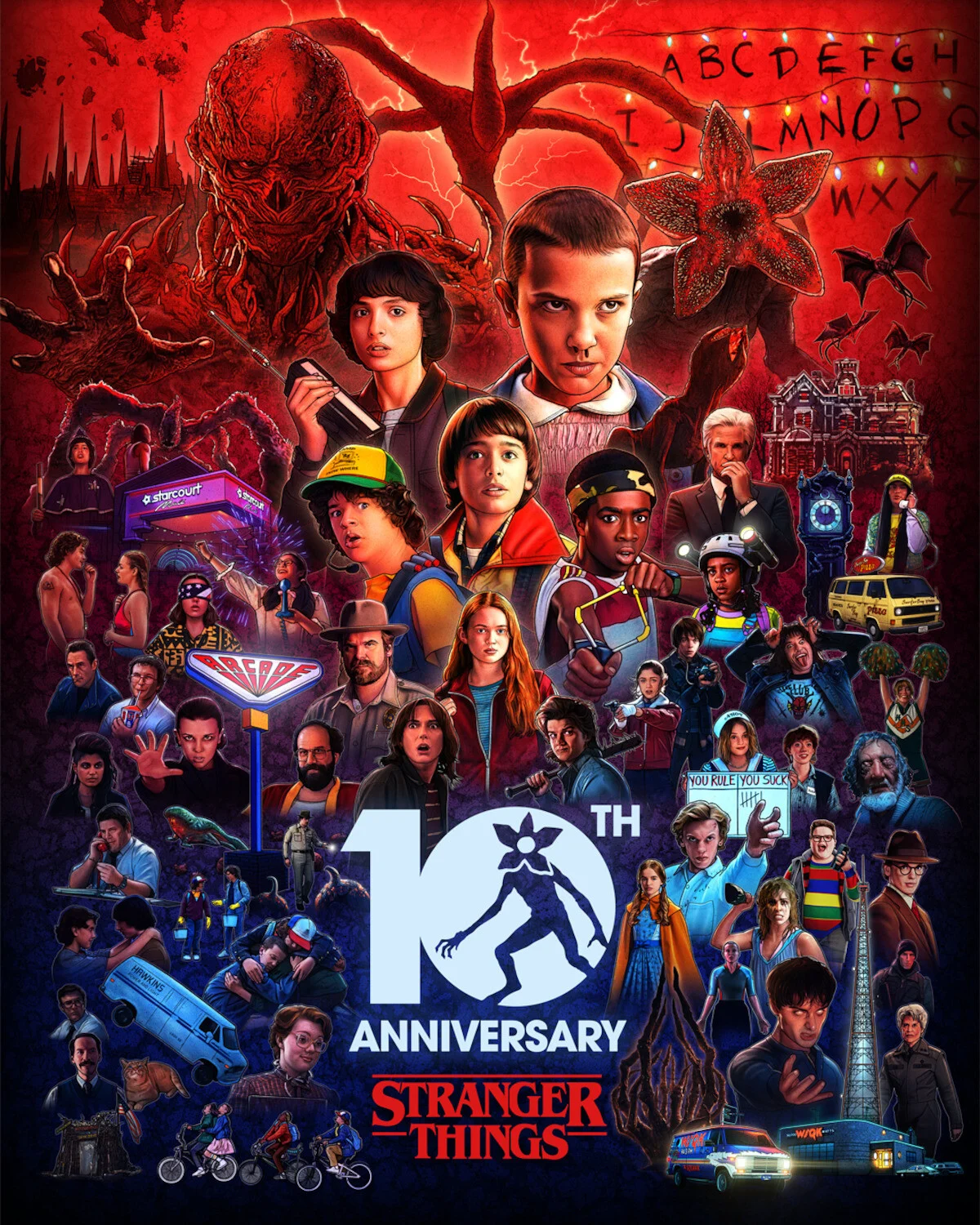
Netflix has officially announced the release of a commemorative special edition of the first season of Stranger Things, featuring a bespoke visual and auditory filter designed to emulate the aesthetic of a 1980s VHS tape. This release marks a significant milestone for the streaming giant, celebrating nearly a decade since the series first premiered on July 15, 2016, and transformed from a niche science-fiction homage into a global cultural juggernaut. The new version, titled Stranger Things VHS, is now available to subscribers, offering a curated experience that leans heavily into the retro-nostalgia that has defined the series since its inception. Unlike typical "remastered" editions that seek to increase resolution or implement high-dynamic-range (HDR) colors, this special edition intentionally degrades the image quality to provide an "authentic" period-accurate viewing experience, complete with film grain, tracking errors, and the distinct audio hiss associated with analog magnetic tape.
The Aesthetic of Analog: Technical Specifications of the VHS Edition
The Stranger Things VHS edition represents a unique approach to content re-release in the digital age. Rather than adding deleted scenes or extended cuts, the Duffer Brothers and Netflix’s post-production teams have focused on the sensory experience of the mid-1980s. The filter applied to the original eight episodes of Season 1 mimics the limitations of the VHS (Video Home System) format, which dominated home media during the era in which the show is set. Viewers will notice a softer focus, a slightly desaturated color palette, and periodic "glitches" that simulate the physical wear and tear of a plastic cassette.
According to reports from Netflix TUDUM, the streaming service’s official companion site, the audio has also been reprocessed to match the frequency response of 1980s television speakers. This includes a reduction in the crispness of the high-end frequencies and the addition of a subtle, low-level white noise. This move is not merely a gimmick but a strategic attempt to re-engage the core fanbase. Netflix has indicated that the continued expansion of this "retro-filter" project to subsequent seasons—specifically Seasons 2 through 4—will depend heavily on the viewership metrics and audience reception of this initial Season 1 experiment.
A Decade of the Upside Down: The Chronology of a Phenomenon
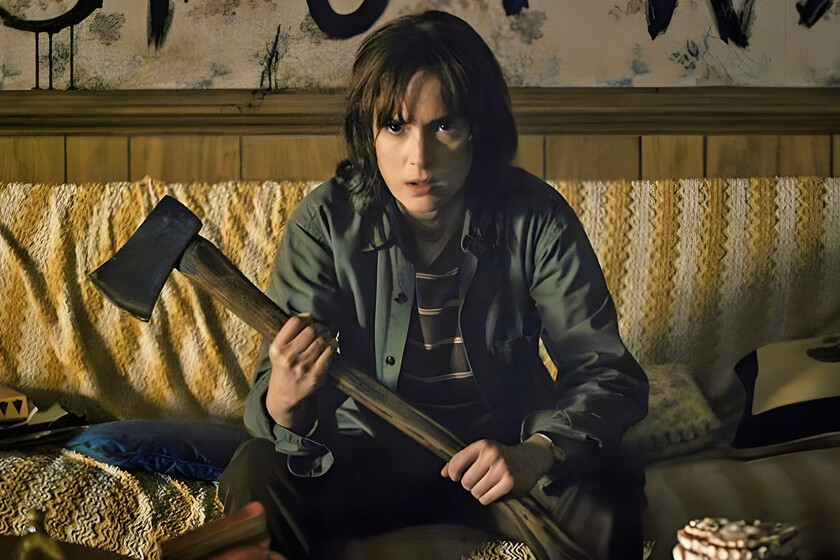
The journey of Stranger Things began in 2016, a year when Netflix was still solidifying its reputation as a producer of high-quality original prestige dramas like House of Cards and Orange Is the New Black. However, Stranger Things represented a shift toward genre-heavy, high-concept storytelling that appealed to both nostalgic adults and a younger demographic.
Created by Matt and Ross Duffer, the series was famously rejected by over a dozen networks before finding a home at Netflix. The creators’ vision—a blend of Steven Spielberg’s suburban wonder, John Carpenter’s synth-driven dread, and Stephen King’s coming-of-age horror—proved to be exactly what the market lacked. On July 15, 2016, the world was introduced to Hawkins, Indiana, and the disappearance of Will Byers.
The timeline of the series highlights its rapid ascent:
- 2016: Season 1 premieres, introducing the core cast of Millie Bobby Brown, Finn Wolfhard, Gaten Matarazzo, Caleb McLaughlin, and Noah Schnapp. It becomes a word-of-mouth sensation.
- 2017: Season 2 arrives in October, expanding the lore of the "Upside Down" and introducing fan-favorite characters like Max Mayfield and Bob Newby.
- 2019: Season 3 shifts the tone to a vibrant, "summer of 85" aesthetic, breaking viewership records for the platform during the July 4th weekend.
- 2022: After a significant delay caused by the global pandemic, Season 4 is released in two volumes. It introduces the villain Vecna and achieves over 1.35 billion hours viewed in its first 28 days, becoming the most-watched English-language series on Netflix at that time.
- 2024/2025: Production on the fifth and final season is currently underway, with the VHS edition serving as a bridge to maintain engagement during the long hiatus between seasons.
Statistical Impact and Global Reach
The decision to revisit Season 1 with a special edition is supported by staggering viewership data. To date, the first season of Stranger Things has accumulated over 1.5 billion hours of watch time globally. It remains one of the most "re-watched" properties in the Netflix catalog, a fact that influenced the decision to provide a "new" way to experience the old episodes.

The series has also had a measurable impact on the broader economy and pop culture. Following the release of Season 4, Kate Bush’s 1985 song "Running Up That Hill (A Deal with God)" reached the top of the charts in multiple countries, 37 years after its original release. Similarly, the series is credited with a massive resurgence in interest for Dungeons & Dragons (D&D), with Hasbro reporting significant increases in sales for the tabletop RPG’s starter sets. By releasing the VHS edition, Netflix is doubling down on the "Nostalgia Economy," a sector where the brand value of 80s iconography is leveraged to drive subscription retention.
Industry Reactions and the "Nostalgia Economy"
The announcement of the VHS edition has drawn mixed but largely positive reactions from industry analysts. Media critics suggest that this move is a low-cost, high-reward strategy for Netflix. By applying a digital overlay to existing content, the company creates a "new" product without the multi-million dollar overhead of a new production.
"Netflix is masterfully playing the nostalgia card," says industry analyst Marcus Thorne. "They aren’t just selling a show; they are selling a memory of a time many of their subscribers never even lived through. The VHS aesthetic is a visual shorthand for ‘authenticity’ in the 21st century."
Within the fan community, the response has been enthusiastic. Social media platforms have seen a surge in "Hawkins" related hashtags, with fans sharing side-by-side comparisons of the original high-definition footage versus the new VHS-style grain. For the cast, many of whom have grown from children to adults in the public eye, the 10-year anniversary represents a legacy moment. David Harbour, who plays Jim Hopper, and Winona Ryder, whose career was revitalized by the role of Joyce Byers, have frequently spoken about the show as a "once-in-a-lifetime" lightning-in-a-bottle event.
Broader Implications for Streaming Content
The release of Stranger Things VHS may signal a new trend in the streaming industry: the "Aesthetic Variant." Just as the music industry releases "lo-fi" versions of tracks or vinyl-exclusive masters, streaming services may begin offering different visual grades of their most popular shows to encourage repeat viewings.
This strategy also serves as a defensive measure in the "streaming wars." With competition from Disney+, Max, and Amazon Prime Video at an all-time high, maintaining the "stickiness" of a legacy franchise is crucial. Stranger Things is the crown jewel of Netflix’s original IP. By constantly refreshing the way fans interact with Hawkins, Netflix ensures that the series remains at the forefront of the cultural conversation, even during years when no new episodes are produced.
Furthermore, the VHS edition reinforces the show’s identity as a period piece. While the show was filmed with state-of-the-art digital cameras (Red Epic Dragon and later Arri Alexa), the Duffer Brothers have always aimed for a "filmic" look. The VHS edition takes this to its logical, if extreme, conclusion. It removes the "digital sheen" that some purists argue detracts from the 1980s setting, bringing the viewer closer to the medium through which they would have actually consumed such a story in 1983.
Looking Toward the Final Chapter
As fans immerse themselves in the grainy, flickering world of the Stranger Things VHS edition, the focus remains on the upcoming fifth and final season. The Duffer Brothers have promised that the series finale will return to the roots of the first season, focusing on the original group of friends in Hawkins. The release of the VHS edition of Season 1 acts as a thematic bookend, reminding viewers of where the journey began as they prepare for the conclusion.
The VHS edition is currently available in all regions where Netflix operates. There is no additional cost to view this version, as it is listed as a separate title or a "supplemental" viewing option within the Stranger Things landing page. If the experiment succeeds, industry insiders expect a "BetaMax" or "16mm Film" filter to follow for other classic Netflix originals, further blurring the lines between modern digital convenience and the tactile charm of the analog past. For now, the residents of Hawkins are trapped in the magnetic tape of 1983 once again, and for millions of fans, that is exactly where they want to be.

0 Comments