
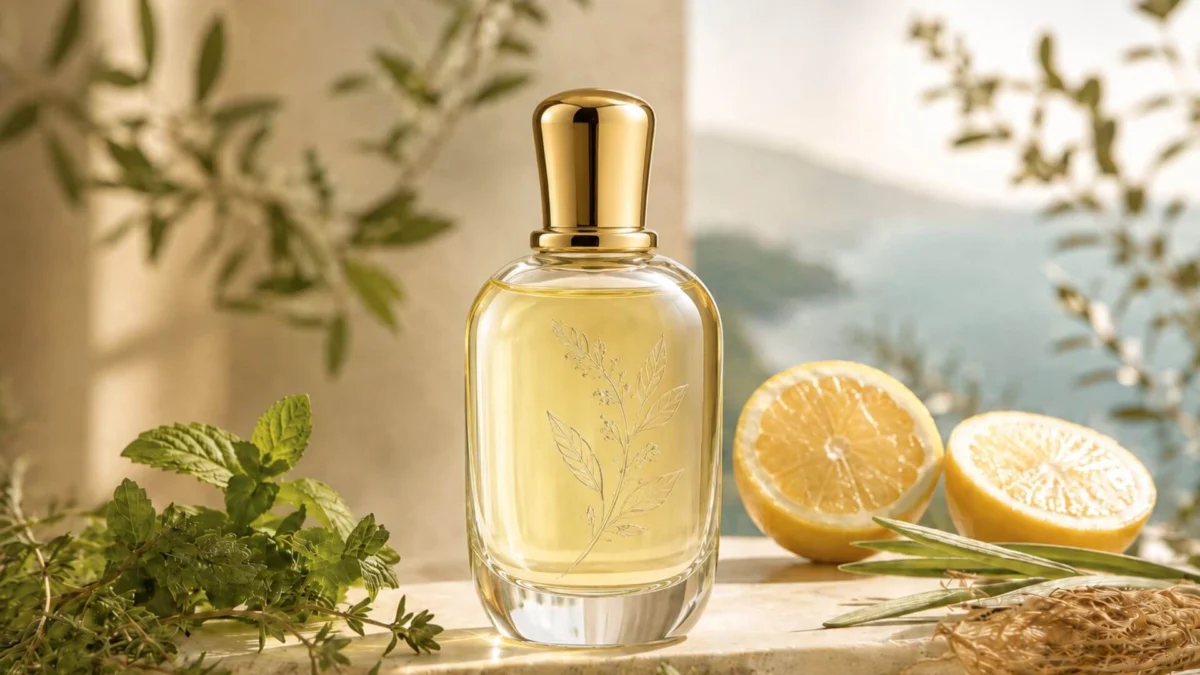
The olfactory landscape of the summer season has long been dominated by the sharp, invigorating profiles of the Hesperidic family. Citrus notes—ranging from the zesty brightness of the orange to the sophisticated bitterness of the bergamot—possess a unique chemical ability to provide sensory relief during periods of high temperature. However, as the global fragrance market evolves toward more complex and narrative-driven compositions, a significant shift is occurring. The traditional "clean" citrus scent is being augmented by herbaceous elements, most notably thyme, which serves to ground the fleeting nature of citrus oils with a dry, leathery, and Mediterranean-inspired depth. This transition marks a departure from the simple "juice-like" colognes of the past toward "botanical realism," a trend that seeks to replicate the experience of a wild landscape rather than a laboratory-constructed freshness.

The Botanical and Chemical Profile of Thymus Vulgaris
To understand the impact of thyme on modern perfumery, one must examine its botanical origins and chemical constituents. Thyme, or Thymus vulgaris, is a perennial evergreen herb belonging to the Lamiaceae family, which also includes lavender, rosemary, and basil. In the production of fine fragrance, the essential oil is typically extracted via steam distillation of the flowering tops.
The resulting oil is chemically complex, dominated by phenols such as thymol and carvacrol, which provide its characteristic antiseptic and slightly medicinal edge. From an olfactory perspective, thyme offers a multifaceted profile: it is herbaceous and spicy, yet possesses a surprising camphorated coolness. As it dries down on the skin, it often reveals a "parched" or "dusty" quality that perfumers use to simulate the scent of sun-baked earth or cured leather. This dry facet is what allows thyme to "change the rules" of a citrus cologne; it provides a structural counterpoint to the aqueous and sugary aspects of fruits like grapefruit or mandarin, preventing the fragrance from becoming cloying in extreme heat.

A Chronology of Aromatics in Perfumery
The use of thyme in aromatic compositions is not a modern innovation but rather a return to classical perfumery traditions. The historical timeline of this ingredient reveals its deep-seated connection to human ritual and hygiene:
- Ancient Greece (c. 1100 BCE – 146 BCE): The word "thyme" is derived from the Greek thymos, meaning "spirit" or "smoke." It was frequently burned as incense in temples to purify the air and invoke courage. This established the early association between thyme and "cleansing" through scent.
- The Islamic Golden Age (8th – 14th Century): Arab chemists and perfumers refined the process of steam distillation. Thyme became a staple in medicinal waters and early perfumes, valued for its preservative qualities and its ability to blend seamlessly with resins and citrus oils.
- The Birth of the Eau de Cologne (1709): When Giovanni Maria Farina created the first "Eau de Cologne" in Cologne, Germany, he focused on citrus oils to mimic an Italian spring morning. While his original formula leaned heavily on bergamot and neroli, the "Artemisia" and "Aromatic" variations that followed in the 19th century began incorporating Mediterranean herbs to increase the longevity of the scent.
- The Fougère Revolution (1882): The launch of Fougère Royale by Houbigant introduced a new category of "fern-like" scents. While lavender was the star, thyme and rosemary were often used in the supporting "herbaceous heart" to provide a bridge between the citrus top notes and the oakmoss base.
- The 2026 Resurgence: Current market data indicates a renewed consumer interest in "green" and "earthy" scents. This is driven by a post-pandemic desire for nature-connectedness and a move away from heavy, synthetic gourmands.
Case Study: The Architecture of Kistna Eau de Toilette
A prime example of this aromatic evolution is Kistna Eau de Toilette by The Body Shop. This composition demonstrates how thyme can be utilized to transform a standard citrus profile into a narrative-driven "garden" scent.

The fragrance follows a traditional three-tier pyramid structure but utilizes specific ingredients to maintain a "cold" profile:
- Top Notes: Orange, Bergamot, and Grapefruit. These provide the immediate "flash" of freshness required for a summer cologne. The inclusion of grapefruit is strategic; its sulfurous, bitter edge prepares the nose for the herbal transition.
- Heart Notes: Thyme, Basil, and Geranium. This is where the composition deviates from the norm. The thyme provides a spicy, dry texture, while the basil adds a peppery greenness. The geranium acts as a "rosy" modifier, softening the sharpness of the herbs without adding traditional floral sweetness.
- Base Notes: White Cedar, Moss, and Patchouli. These "forest floor" ingredients provide the necessary fixatives to ensure the citrus and herbs do not evaporate instantly.
Market analysis suggests that fragrances like Kistna appeal to a demographic that values "functional perfumery"—scents that are designed to lower the perceived body temperature and provide a sense of psychological clarity.

The Niche Perspective: Riviera Verbena and the "Skin-Scent" Trend
In the prestige and niche sectors, the integration of thyme is even more pronounced. Riviera Verbena by Nicolaï Parfumeur-Créateur represents the high-end application of this trend. Founded by Patricia de Nicolaï, a descendant of the Guerlain family, the house is known for its rigorous adherence to classical French techniques.
In Riviera Verbena, thyme is paired with mint and fresh-cut grass to elevate the central note of verbena. Verbena, which can often smell like "lemon candy" when used in isolation, is grounded by the thyme’s camphorated and leathery facets. This results in a fragrance that feels "clean" but also "lived-in." Industry experts refer to this as the "second-skin" effect—fragrances that do not project an aggressive aura but instead create a personal, intimate atmosphere of cleanliness.

Market Data and Consumer Implications
The shift toward aromatic citrus colognes is supported by broader economic and social trends within the beauty industry. According to recent reports from global market research firms, the "Aromatic" fragrance segment is projected to grow at a CAGR (Compound Annual Growth Rate) of 5.2% over the next five years.
Several factors are contributing to this growth:

- Gender Neutrality: Aromatic and citrus notes are inherently gender-neutral. As the fragrance industry moves away from "For Him" and "For Her" marketing, herbs like thyme provide a versatile middle ground that appeals to all consumers.
- Sustainability and Sourcing: Consumers are increasingly concerned with the origin of their ingredients. Thyme is a hardy, drought-resistant crop that can be sourced sustainably from the Mediterranean basin, aligning with the "clean beauty" movement’s focus on ethical sourcing.
- The "Wellness" Overlay: Essential oils like thyme and bergamot are frequently used in aromatherapy to reduce stress and increase alertness. The blurring of lines between "fine fragrance" and "wellness products" has made these ingredients highly attractive to the modern consumer.
Analysis of Broader Industry Impact
The inclusion of thyme in summer colognes is more than a fleeting trend; it is a response to the "olfactory fatigue" caused by the oversaturation of the market with sweet, synthetic fragrances. By reintroducing herbaceous, "dry" elements, perfumers are able to offer a sophisticated alternative that feels both ancient and contemporary.
Furthermore, this trend highlights the importance of the "Mediterranean Narrative" in global branding. The Mediterranean is not just a geographical location but a powerful aesthetic concept associated with slow living, natural beauty, and historical depth. Thyme, as a literal and symbolic representative of this region, allows brands to tap into this aspirational lifestyle.

As we look toward the future of the fragrance industry in late 2026 and beyond, we can expect to see further experimentation with "savory" aromatics. Ingredients such as tomato leaf, clary sage, and oregano are already beginning to appear in niche collections, following the path blazed by thyme. The success of colognes that "change the rules" by incorporating these green, shady, and memory-evoking leaves suggests that the modern consumer is ready for a more complex, realistic, and botanically diverse approach to freshness.
In conclusion, the marriage of citrus and thyme represents a sophisticated evolution of the summer fragrance. It provides the immediate gratification of freshness while offering a complex, evolving dry-down that mirrors the sensory experience of the Mediterranean landscape. For the consumer, it offers a way to navigate the heat with a scent that is as structured as a tailored linen shirt and as natural as a breeze through a hillside garden.

0 Comments