
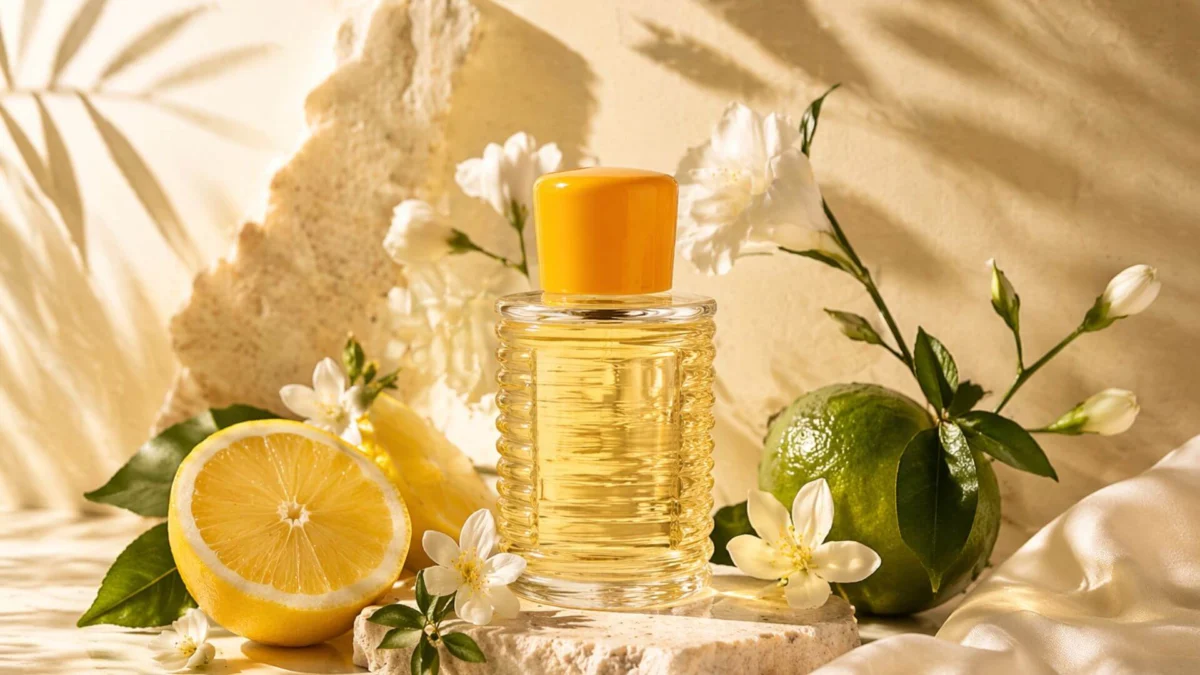
The sensory experience of a high-end citrus fragrance is often described as a moment of bottled luminosity. For decades, the perfume industry has relied on a specific olfactory palette—a blend of bitter sparks and fresh pulp—to create scents that evoke cleanliness, Mediterranean summers, and revitalized skin. These citrus accords, particularly those with an Italian pedigree, are considered foundational to the "fresh" category of women’s and men’s fragrances. However, this olfactory heritage is currently facing an unprecedented threat. Climate change is not merely a distant environmental concern for the fragrance industry; it is actively rewriting the chemical composition of its most prized ingredients, leading to a silent transformation of the perfumes found on vanity tables worldwide.
At the heart of this crisis is the bergamot orange (Citrus bergamia), a small, non-edible citrus fruit that serves as the backbone of nearly all fine fragrances. While citrus notes can be derived from lemons, oranges, or grapefruits, bergamot provides a unique complexity—a floral, spicy, and resinous edge that other fruits cannot replicate. The survival of this ingredient is tied to a remarkably small geographic area, making the entire global perfume industry vulnerable to the localized effects of global warming.
The Calabrian Monopoly: A Fragile Geographic Microclimate
The production of bergamot is one of the most geographically concentrated agricultural endeavors in the world. Approximately 95% of the world’s supply of high-grade bergamot essential oil is produced in a narrow strip of land in Calabria, Southern Italy. This region, situated between the Mediterranean and Ionian seas, possesses a highly specific microclimate characterized by high humidity, consistent temperatures, and alluvial soil rich in minerals.
For centuries, this environment remained stable, allowing the bergamot trees to thrive. The interaction between the sea breezes and the Aspromonte mountains created a "thermal flywheel" effect, preventing extreme frost in the winter and excessive heat in the summer. However, recent meteorological data indicates that this equilibrium is shattering. The region is now experiencing prolonged heatwaves and erratic rainfall patterns that the centuries-old groves are not equipped to handle.

In neighboring Sicily, the situation is even more dire. Recent harvests have seen yields drop by as much as 40% due to record-breaking temperatures that exceed the physiological limits of citrus trees. While Calabria’s coastal aquifers have provided some protection against total crop failure, the stress on the trees is manifesting in the quality of the fruit itself.
The Chemistry of Scent: How Heat Alters the Olfactory Profile
The impact of climate change on perfume is not just a matter of quantity; it is a matter of chemistry. The value of bergamot lies in its essential oil, which is extracted from the zest through a cold-pressing process. This oil is a complex mixture of chemical compounds, primarily limonene, linalyl acetate, and linalool.
A study recently published by researchers in the Calabria region has highlighted a disturbing trend: rising temperatures are forcing the fruit to alter its chemical defense mechanisms. As heatwaves become more frequent, the concentration of d-Limonene—the compound responsible for a sharp, dry, citrus-peel scent—has begun to increase disproportionately. While this might sound like it would enhance the "citrus" quality, it actually disrupts the delicate balance of the oil.
In perfumery, the beauty of bergamot is its "roundness"—the way its floral and peppery facets bridge the gap between volatile top notes and heavier base notes. An excess of d-Limonene makes the oil sharper and more one-dimensional, stripping away the nuanced, tea-like, and floral undertones that master perfumers require. Furthermore, irregular rainfall affects the development of the fruit’s skin, often resulting in a "woody" or "hardened" texture that yields less oil and produces a scent profile that lacks the traditional freshness associated with the Italian coast.
A Chronology of the Citrus Decline
The current crisis is the culmination of a decade-long shift in Mediterranean weather patterns. To understand the gravity of the situation, one must look at the timeline of environmental and economic markers:

- 2015–2018: The region began seeing a marked increase in "tropicalization," with short, intense bursts of rainfall followed by extended periods of drought. Growers noticed the first subtle shifts in oil yield per ton of fruit.
- 2021: Record-breaking heatwaves hit Southern Italy, with temperatures in Sicily reaching 48.8°C (119.8°F), the highest ever recorded in Europe. This caused widespread "sunburn" on citrus crops, rendering much of the fruit unusable for high-grade oil extraction.
- 2022–2023: A significant spike in the price of "Bergamot di Reggio Calabria" (the Protected Designation of Origin status oil) was recorded. Luxury houses began reporting 40% increases in raw material costs.
- 2024: Industry analysts and environmental scientists officially flagged the "citrus crisis" as a long-term structural threat rather than a temporary seasonal fluctuation.
Economic Pressures on Luxury Fragrance Houses
The rising cost and fluctuating quality of bergamot have sent shockwaves through the luxury sector. Iconic brands such as Guerlain, Acqua di Parma, and Chanel rely heavily on consistent supplies of Calabrian bergamot to maintain the "DNA" of their most famous scents.
For a brand like Acqua di Parma, whose identity is inextricably linked to the Italian Mediterranean, the degradation of bergamot is an existential threat. Similarly, Guerlain, which uses bergamot in its legendary "Guerlinade" accord (the secret base found in many of its perfumes), has long invested in sustainable farming in Calabria to secure its supply.
However, even the most robust corporate social responsibility (CSR) programs cannot stop the thermometer from rising. Fragrance houses are currently facing a difficult choice: pay a premium—sometimes 40% to 50% more—for the dwindling supply of top-tier natural oil, or begin reformulating their classics with synthetic substitutes. While synthetic molecules like linalyl acetate can mimic certain facets of bergamot, they lack the "soul" and complexity of the natural extract, a fact that discerning consumers and purist perfumers find unacceptable.
Cultural Erasure and the Loss of Olfactory Heritage
The implications of this shift extend beyond the balance sheets of luxury conglomerates. Researchers involved in the "Odeuropa" project—a multi-disciplinary initiative funded by the European Union—warn that the loss of specific scents constitutes a loss of cultural memory.
Odeuropa aims to identify, describe, and preserve the "scentscapes" of Europe’s history. Bergamot and other Italian citrus fruits are not just agricultural products; they are historical markers. They represent the birth of modern perfumery in the 18th century, with the creation of the first Eau de Cologne. If the chemical profile of bergamot changes irrevocably, the "smell of the Mediterranean" as we have known it for three centuries will effectively go extinct.

The project emphasizes that aromas are fundamental to our sense of place and identity. When a person applies a perfume with bergamot, they are engaging with a legacy of Italian craftsmanship and a specific landscape. If climate change alters that landscape, the liquid in the bottle becomes a ghost of a reality that no longer exists.
Industry Adaptation and the Path Forward
In response to these challenges, the fragrance industry is exploring several avenues of adaptation. Some are technological, while others are agricultural:
- Precision Irrigation and Shading: Growers in Calabria are experimenting with advanced irrigation systems to reduce water waste and "shading" techniques to protect the fruit from direct sun damage.
- Genetic Resilience: Agricultural scientists are looking into more heat-resistant rootstocks for bergamot trees, though this is a long-term solution that could take decades to bear fruit.
- Sustainable Sourcing and Fair Pricing: Brands are increasingly moving toward long-term contracts with Calabrian farmers, ensuring that the farmers remain profitable even during low-yield years. This helps prevent the abandonment of groves for more heat-tolerant but less culturally significant crops.
- The Rise of "Climate-Proof" Accords: Some perfumers are beginning to design new fragrances that celebrate different, more resilient notes, such as woods or resins, anticipating a future where citrus may no longer be the dominant top note of the "fresh" category.
Broader Implications for Global Perfumery
The bergamot crisis serves as a "canary in the coal mine" for the wider fragrance industry. It highlights the vulnerability of any luxury product that relies on a single, geographically limited natural ingredient. From the jasmine fields of Grasse to the sandalwood forests of India and the vanilla vines of Madagascar, the ingredients that define the world’s most expensive perfumes are all under threat from the same climatic shifts.
As the industry moves forward, the definition of "luxury" may need to change. It may no longer be defined by the abundance of a natural ingredient, but by the effort required to preserve it. For the consumer, this likely means higher prices and, perhaps, a shift in expectations. The bright, sparkling citrus scent that has defined elegance for generations is becoming a rare and precious commodity.
In conclusion, the transformation of Italian citrus perfumes is a tangible reminder that the environmental crisis affects every facet of human life, including our most intimate sensory pleasures. The bergamot groves of Calabria are a testament to the delicate relationship between nature and art. As the climate continues to change, the industry’s ability to adapt will determine whether the "bottled sunshine" of Italian perfumery remains a living reality or becomes a mere memory preserved in historical archives.

0 Comments