
 Raisa Andriana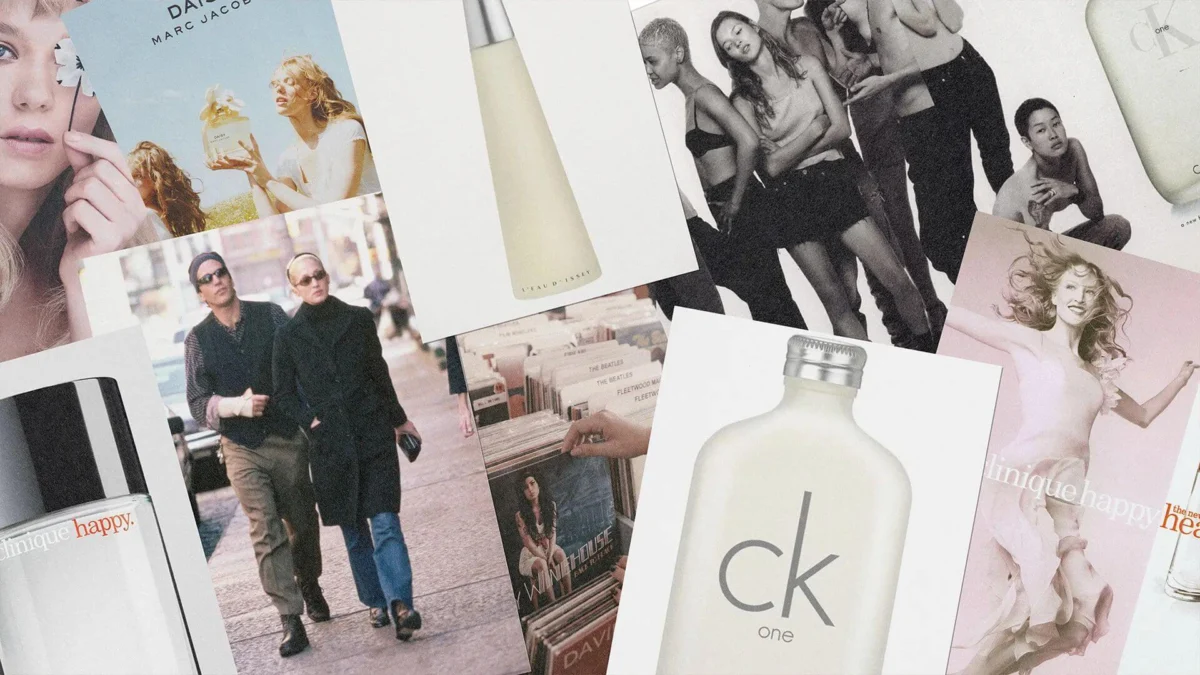
The global fragrance industry has entered a transformative era in 2026, characterized not by a forward-looking search for the avant-garde, but by a sophisticated retreat into the past. While the fashion world has long been cyclical, the "olfactory revival" of the 1990s and early 2000s has reached an unprecedented peak, with legacy scents outperforming modern launches in both market share and cultural relevance. This phenomenon is driven by a unique convergence of neurobiology, shifting consumer demographics, and a socioeconomic climate that prizes the "tangible comfort" of the pre-digital age. As the sector is projected to reach nearly $65 billion in revenue by the end of the year, the industry’s reliance on nostalgia has evolved from a niche marketing tactic into a primary economic driver.
The neurological foundation of this trend is well-documented. Scent is processed in the olfactory bulb, which has direct connections to the amygdala and hippocampus—the areas of the brain responsible for emotion and memory, respectively. Unlike visual or auditory stimuli, which are routed through the thalamus before reaching higher processing centers, fragrance bypasses these filters to trigger "autobiographical memories" with startling clarity. In 2026, as global societies grapple with the complexities of an increasingly digitized and volatile landscape, the ability of a single spray of perfume to evoke a specific time, place, or emotional state has become a valuable commodity.

The Economic Impact of the Nostalgia Boom
The current state of the fragrance market reflects a broader consumer desire for stability. According to recent data from GWI, approximately 37% of Generation Z reports a profound sense of nostalgia for the 1990s—a decade many of them did not experience firsthand. Furthermore, over 50% of this demographic expresses a similar longing for the early 2000s. This "vicarious nostalgia" has created a lucrative market for legacy brands. Industry analysts note that while the "prestige" fragrance segment continues to grow, the most significant gains are seen in the resurgence of "iconic" scents that defined previous generations.
The projected $65 billion in global fragrance revenue for 2026 is bolstered by a shift in how consumers view perfume. It is no longer merely a grooming product but a "time capsule." Brands that have maintained their original formulations or successfully "re-upped" their heritage collections are seeing a direct correlation between cultural nostalgia and retail success. This trend is particularly evident in the "clean" and "minimalist" categories, which serve as an olfactory antithesis to the sensory overload of the modern social media era.
A Chronology of Olfactory Evolution: From 1990 to 2026
To understand the current dominance of vintage scents, one must examine the chronological shifts in perfumery over the last three decades. The 1990s represented a radical departure from the power-fragrances of the 1980s. The 80s were defined by opulence and heavy sillage—scents that "arrived before the wearer did." However, the dawn of the 90s brought a craving for transparency and simplicity.

- The Rise of the Aquatics (1990–1996): This period saw the introduction of synthetic molecules like Calone, which allowed perfumers to mimic the scent of sea air and water. Iconic launches included Issey Miyake’s L’Eau d’Issey (1992) and Davidoff’s Cool Water for Women (1996). These scents mirrored the decade’s fascination with "heroin chic" and the minimalist aesthetic of designers like Helmut Lang and Jil Sander.
- The Gender-Neutral Revolution (1994): The launch of CK One by Calvin Klein in 1994 was a watershed moment. As the first mass-marketed unisex fragrance, it dismantled the traditional gender binary in perfumery. In 2026, this scent has seen a massive resurgence, fueled by the renewed cultural obsession with the style of Carolyn Bessette-Kennedy and the "quiet luxury" of the mid-90s.
- The Dawn of the Gourmands (1992–2005): While the 90s favored the clean, the late 90s and early 2000s introduced the "gourmand" category—scents based on edible notes. Thierry Mugler’s Angel (1992) paved the way, but it was the early 2000s that saw the explosion of sugar-forward scents like Prada Candy and Juicy Couture’s Viva la Juicy.
- The 2026 Revival: Today, these two seemingly opposite trends—the ultra-clean aquatic and the hyper-sweet gourmand—are coexisting. Brands are responding by releasing "flankers" (variations of original scents) that retain the core DNA of the 90s/00s icons while utilizing modern, sustainable extraction methods.
Industry Perspectives: The Allure of Simplicity
Experts within the fragrance community suggest that the return to 90s scents is not merely about looking back, but about a modern appreciation for clarity. Frances Shoemack, founder of the luxury fragrance brand Abel, notes that the iconic perfumes of the 1990s were characterized by a "sensory restraint" that is rare in today’s market. "Those compositions weren’t over-engineered," Shoemack explains. "They had a very defined point of view. In an era of infinite choice, there is something incredibly attractive about a scent that is recognizable and quietly confident."
This sentiment is echoed by Susan Wai Hnin, co-founder of Gabar. She emphasizes that trends move in cycles, and the current "Y2K" obsession in fashion has naturally spilled over into the olfactory world. "Revisiting these perfumes provides a sense of familiarity that is deeply comforting," Hnin says. "When the world feels uncertain, we gravitate toward the things that made us—or the generations before us—feel safe."
Case Studies: Reimagining the Icons
The market’s response to this nostalgia has been both creative and strategic. Several major fashion houses have successfully revitalized their heritage scents through high-profile collaborations and modern packaging.

- Marc Jacobs: At the end of 2025 and into 2026, Marc Jacobs revitalized the "Daisy" franchise, which originally launched in 2007. By collaborating with Japanese pop-artist Takashi Murakami, the brand released a series of highly collectible bottles that appealed to both original fans and Gen Z collectors. The concentration was also increased to an eau de parfum to meet modern demands for longevity.
- Chloé: Instead of altering its Signature Eau de Parfum, Chloé has expanded its "The Mediterranean Essences" collection. This move pays homage to the brand’s bohemian heritage and the 1970s-infused-90s aesthetic that has become a staple of the 2026 fashion landscape.
- Calvin Klein: Leveraging the "Carolyn Bessette-Kennedy" effect, Calvin Klein has leaned heavily into the minimalism of its archive. The brand has seen a double-digit increase in sales for CK One among consumers aged 18 to 25, many of whom cite the fragrance’s "analog feel" as its primary draw.
Broader Implications: The Analog Craving in a Digital World
The dominance of 90s and 2000s fragrances in 2026 serves as a broader commentary on the human condition in the mid-2020s. As artificial intelligence and digital interfaces mediate an increasing percentage of human interaction, the sense of smell remains one of the few experiences that cannot be digitized. A perfume must be experienced in person; it requires physical presence and the passage of time.
This "analog craving" is a reaction to the ephemeral nature of digital content. In a world of infinite scrolling and disappearing "stories," the permanence of a signature scent offers a sense of identity. The 90s and early 2000s represent the last era before the total ubiquity of the smartphone—a time that current consumers perceive as being more "authentic" or "grounded." By wearing the scents of that era, consumers are attempting to bottle that perceived authenticity.
Future Outlook: Sustainability Meets Heritage
As the industry moves forward, the challenge for perfume houses will be balancing this nostalgia with 2026’s strict sustainability standards. Many of the ingredients used in the original 90s formulations—such as certain musks or sandalwood sources—are now restricted or considered environmentally unfriendly.

The next phase of the olfactory revival will likely involve "biotech perfumery," where lab-grown molecules are used to recreate the exact scent profiles of vintage icons without the environmental toll. This allows brands to offer the same "memory trigger" while adhering to modern ethical expectations.
In conclusion, the fragrance market in 2026 has proven that the past is not a finished chapter but a continuous resource. The perfumes that defined the 1990s and 2000s have transcended their original contexts to become symbols of stability, simplicity, and sensory truth. As long as the future remains unpredictable, the scents of the past will continue to hold a primary position on the global vanity, proving that in the world of beauty, the most powerful innovation is often a well-timed memory.


 Eva Lovia
 Julia Chirkova
 Julia Prastini
 Jia Lissa
 admin
admin