
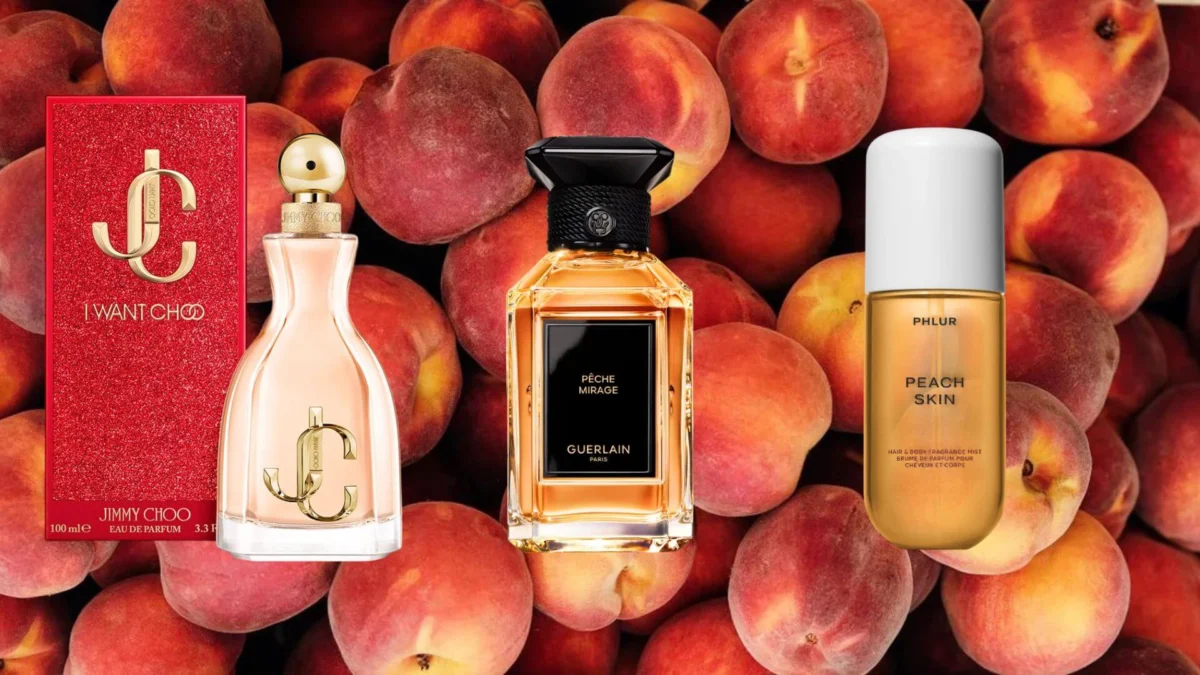
The fragrance industry is witnessing a definitive shift in olfactory preferences as market analysts and master perfumers identify peach as the primary "it-girl" note for the 2026 season. Following a decade defined by the dominance of heavy gourmands, synthetic molecules like ambroxan, and a recent intense fascination with black cherry, the move toward peach represents a sophisticated evolution in the fruity-floral category. This trend is not merely a cyclical return to 1990s aesthetics but a nuanced reimagining of the peach note, blending childhood nostalgia with modern, complex base notes like leather, saffron, and sustainable musks.

The Evolution of the "It-Girl" Fragrance Note
To understand the rise of peach in 2026, one must examine the chronological progression of fragrance trends over the last several years. The industry operates on a cycle of "hero notes" that define the cultural zeitgeist. In the early 2020s, the "skin scent" movement, led by molecules such as ambroxan and iso E super—most notably popularized by MFK’s Baccarat Rouge 540—focused on minimalism and clean aesthetics. This was followed by a resurgence of ultra-sweet, edible "gourmand" profiles, specifically vanilla and caramel, as consumers sought comfort during periods of global instability.
By 2024 and 2025, the industry transitioned into the "Cherry Era," characterized by dark, boozy, and syrupy interpretations of the fruit. However, as the market reached saturation with cherry-based scents, perfumers began looking for a note that offered similar fruitiness but with greater versatility and a lighter, more "luminous" quality. Peach has emerged as the logical successor, offering a bridge between the heavy gourmands of the past and the desire for fresh, sophisticated compositions.

The Psychology of Scent: Nostalgia and Comfort
The shift toward peach is deeply rooted in consumer psychology. Julienne Rasquinet, a senior perfumist at CPL Aromas, notes that peach is inherently "regressive," meaning it triggers memories of childhood and simpler times. In a contemporary landscape where consumers prioritize mental well-being and emotional regulation through sensory experiences, peach provides a "comforting" olfactory anchor.
Unlike citrus, which is purely energetic, or berries, which can be overly tart, peach possesses a unique "velvety" texture. This tactile quality, often referred to in the industry as a "fuzzy" or "skin-like" accord, allows it to blend seamlessly with the "Clean Girl" aesthetic while still offering enough depth for evening wear. The versatility of the note allows it to be interpreted as either "sweet and juicy" or "dry and sophisticated," depending on the accompanying accords.

Market Analysis and Industry Projections
The global fragrance market, valued at approximately $58.27 billion in 2023, is projected to grow at a compound annual growth rate (CAGR) of 5.5% through 2030. Within this growth, the "niche" and "prestige" segments are expanding most rapidly. Data from fragrance tracking platforms suggests that searches for "peach-based perfumes" and "apricot accords" have increased by 35% year-over-year entering 2026.
This trend is also driven by technological advancements in scent extraction and synthesis. Modern perfumery utilizes gamma-undecalactone—the chemical compound responsible for the peach aroma—in more sophisticated concentrations than in previous decades. Furthermore, the industry’s move toward "naturality" has led to the development of upcycled peach ingredients, derived from the food waste industry, which appeals to the environmentally conscious Gen Z and Millennial demographics.

Leading Interpretations: A Curated Analysis of 2026 Peach Fragrances
The 2026 market features a wide array of peach interpretations, ranging from high-concept niche offerings to accessible luxury staples. Below is an analysis of the key players currently defining this trend.
The Sophisticated Niche: Guerlain L’Art & La Matière Pêche Mirage
Guerlain’s entry into the peach trend, Pêche Mirage, exemplifies the "elevated fruit" concept. Moving away from the literal, sugary scents of the past, this composition utilizes a leather accord to ground the sweetness of the fruit. By incorporating osmanthus—a flower that naturally possesses a peach-like aroma—and balancing it with sandalwood and amber, Guerlain has created a fragrance that targets the mature, luxury consumer. The price point of 335 euros reflects its position within the "High Perfumery" segment, emphasizing exclusivity and artisanal blending.

The Modern Gourmand: Kayali Eden Sweet Peach
Mona Kattan’s Kayali brand has been instrumental in driving the gourmand trend globally. Eden Sweet Peach represents the brand’s shift toward "creamy" fruitiness. By combining peach with red apple and frangipani, the fragrance leans into a tropical, luminous profile. The use of a musk base ensures the scent remains sophisticated rather than cloying, catering to a younger audience that values high sillage and longevity.
The Body Mist Renaissance: Phlur Peach Skin
The resurgence of body mists is a significant sub-trend of 2026. Phlur’s Peach Skin focuses on the "tactile" aspect of the fruit. By pairing peach with vanilla orchid and white freesia, the fragrance mimics the scent of sun-warmed skin. This product addresses the consumer demand for "everyday luxury"—fragrances that are lighter and more affordable (26 euros) but still maintain the complexity of an Eau de Parfum.

The Precursor and Catalyst: Tom Ford Bitter Peach
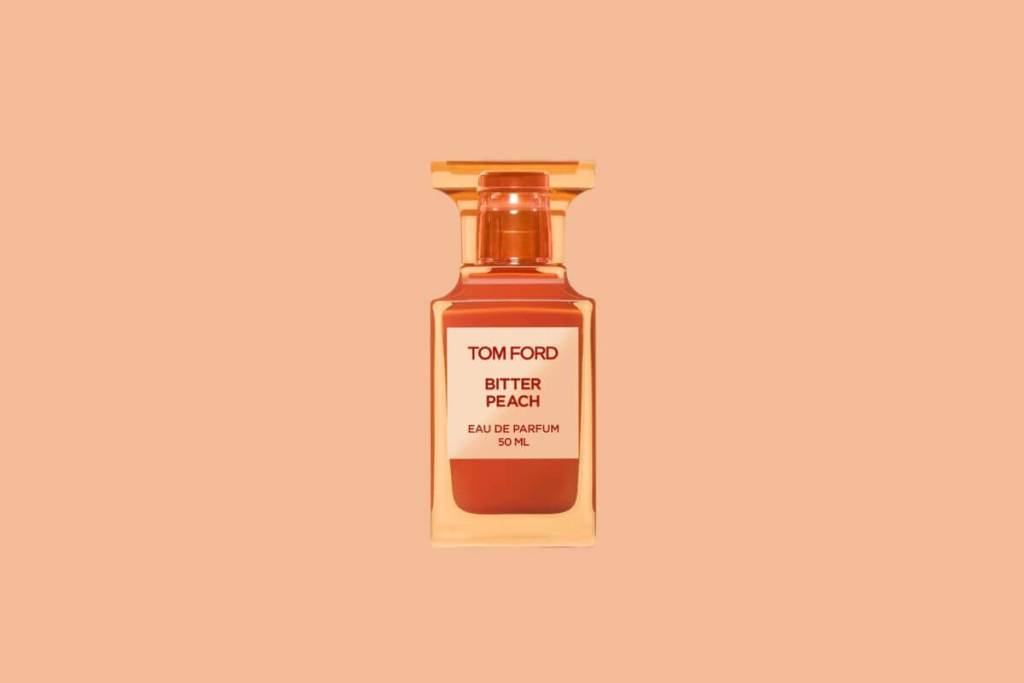
While many of the 2026 releases are new, Tom Ford’s Bitter Peach remains a cornerstone of the trend. Originally released as part of the Private Blend collection, it paved the way for "edgy" fruit scents. Its use of Pêche de Vigne (vine peach) and Sicilian blood orange, layered over a base of patchouli and rum, challenged the notion that fruit scents were inherently "girly" or simple. Its continued popularity at 215 euros demonstrates the enduring power of the "bitter" or "sour" fruit profile.
The Artisanal Approach: Maison Francis Kurkdjian Kurky
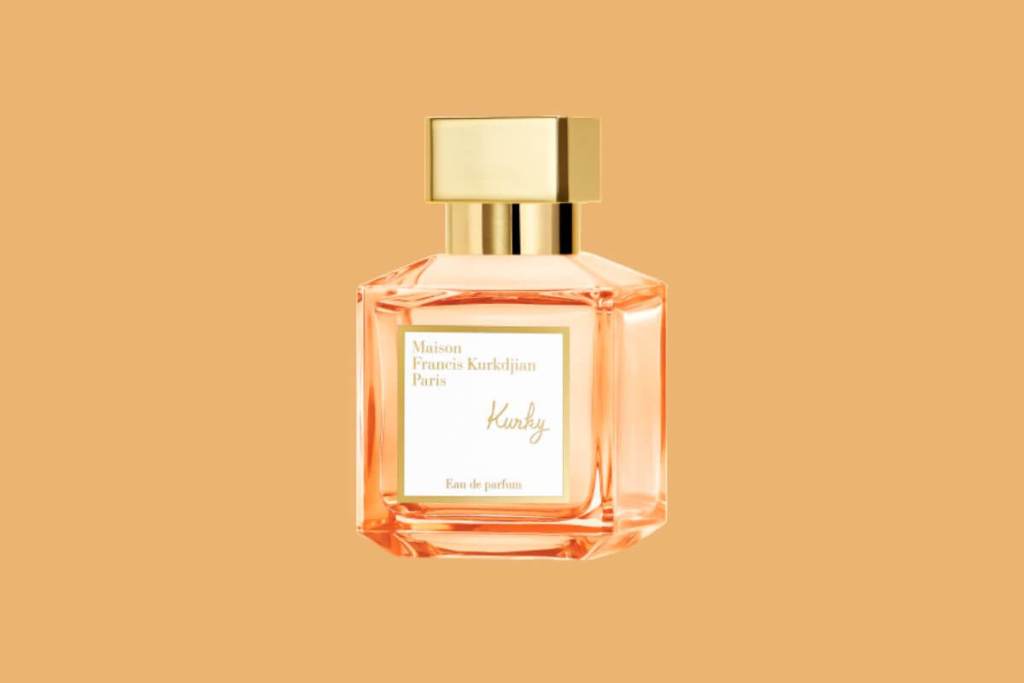
Francis Kurkdjian, renowned for his technical precision, introduced "Kurky" as an exploration of "tutti frutti" nostalgia. This fragrance is notable for its complexity, utilizing a blend of orange, pear, raspberry, and blackberry alongside a dominant peach note. The inclusion of white musk and sandalwood creates a "clean" finish, preventing the fruit notes from becoming overwhelming. It serves as a masterclass in balancing multiple fruity accords without losing the central peach identity.
The Floral Hybrid: Lancôme Idôle Peach ‘n Roses
Lancôme continues to dominate the mass-market luxury segment by blending the peach trend with established floral favorites. Idôle Peach ‘n Roses targets the consumer who desires a "romantic" aesthetic. The combination of red berries and roses with a core peach-and-pear accord creates a "sunset" effect, both in its olfactory profile and its visual marketing.
Broader Impact on the Beauty Industry
The "Peach Era" of 2026 extends beyond liquid fragrance. This trend is heavily influencing the broader beauty and personal care sectors. We are seeing a synchronization between fragrance notes and cosmetic aesthetics, such as the "Peach Fuzz" color trends in makeup and the "Peachy Glow" skincare movements.
Dior’s Peachy Glow Eau de Parfum is a prime example of this synergy. By aligning the fragrance with their iconic lip balm aesthetics, Dior creates a holistic sensory brand experience. This "cross-category" marketing is essential for luxury brands looking to maintain consumer loyalty across different price points.
Sustainability and Sourcing in the 2020s
A critical component of the 2026 fragrance landscape is the ethical sourcing of ingredients. As peach notes rise in popularity, fragrance houses are under increased pressure to provide transparency. The use of synthetic lactones is often more sustainable than large-scale fruit harvesting, which requires significant water and land resources. However, the development of "white biotechnology"—using fermentation to create natural scent molecules—is becoming the gold standard for the industry. Brands like Brown Girl Jane and LoveShackFancy are increasingly highlighting these "clean" and "wellness-focused" sourcing methods to differentiate themselves in a crowded market.

Conclusion: The Future of Fruity Accords
The dominance of peach in 2026 signifies a maturation of the fruity fragrance category. No longer relegated to inexpensive "teen" scents, fruit notes are being treated with the same reverence as rare resins or expensive florals. The trend reflects a broader cultural desire for balance: the joy and vibrancy of fruit tempered by the grounding stability of woods and resins.
As we look toward the latter half of the decade, the success of the peach trend will likely open the door for other "stone fruit" explorations, such as plum and apricot, further diversifying the gourmand landscape. For now, the peach stands as the definitive scent of the year—a versatile, comforting, and sophisticated note that has successfully captured the imagination of both the industry and the global consumer base.

0 Comments