
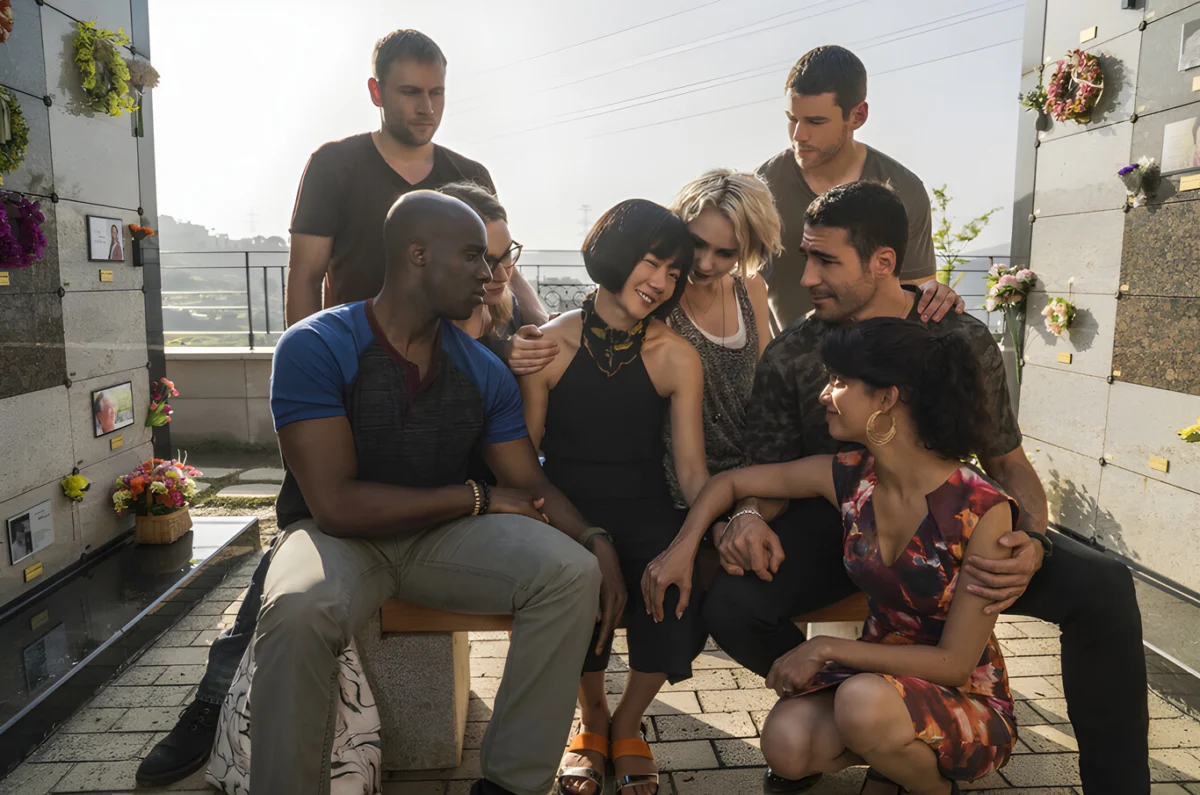
The landscape of modern streaming is characterized by a high volume of content production and an equally aggressive rate of cancellation. While audiences today are accustomed to seeing their favorite series discontinued after one or two seasons, the 2017 cancellation of the science fiction drama Sense8 remains a seminal moment in the history of digital media. Created by Lana and Lilly Wachowski alongside J. Michael Straczynski, the series represented a pinnacle of artistic ambition and global logistics for Netflix. However, despite its critical acclaim and a fiercely loyal fan base, the show was abruptly terminated following its second season, sparking a global protest that forced the streaming giant to reconsider its decision—at least for a final special.
The Architectural Ambition of Sense8
Premiering on June 5, 2015, Sense8 introduced a narrative concept that was as complex as it was visually stunning. The story centered on eight strangers from diverse geographical, cultural, and social backgrounds: a Chicago police officer, a Icelandic DJ in London, a Mexican action star, a Korean businesswoman, a German safe-cracker, a Kenyan bus driver, a San Francisco hacktivist, and a Mumbai pharmacist. These characters discover they are "sensates," human beings who are mentally and emotionally linked, capable of sharing senses, skills, and knowledge across the globe.
The production was notable for its rejection of traditional studio-bound filming. Under the direction of the Wachowskis, the production traveled to the actual locations depicted in the script. This included filming in cities such as Berlin, Seoul, Mumbai, Nairobi, London, Mexico City, and San Francisco. This commitment to authenticity provided the series with a texture and scale rarely seen in television, but it also introduced logistical challenges and costs that would eventually become the show’s undoing.
A Chronology of Global Connection and Abrupt Termination
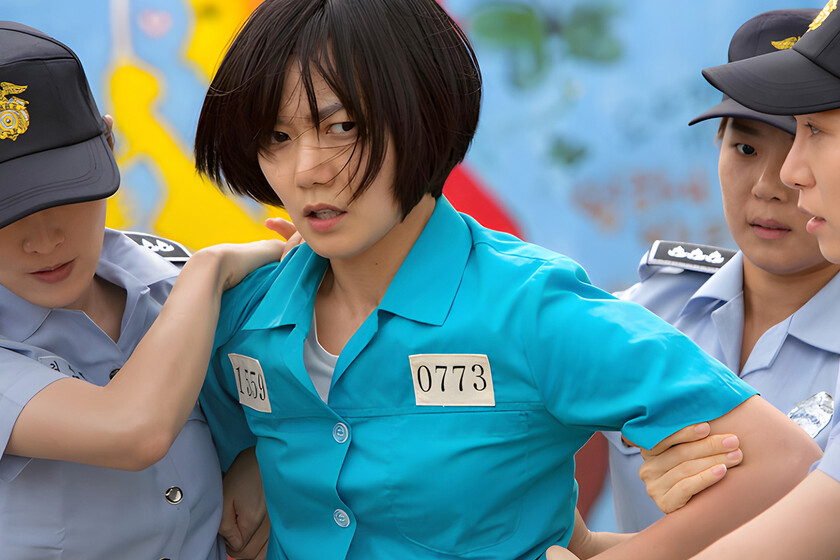
The timeline of Sense8 is marked by significant peaks of creative success followed by sudden executive intervention. Following the release of the first season in 2015, the series was praised for its inclusive representation, particularly regarding LGBTQ+ identities and international perspectives. Its success led to a two-hour Christmas special in December 2016, which served as a bridge to the second season.
Season 2 premiered on May 5, 2017, deepening the mythology of the "sensate" species and the shadowy organization known as the Biological Preservation Organization (BPO) hunting them. The season ended on a massive cliffhanger, with the protagonists finally uniting physically to launch a counter-offensive against their pursuers. However, on June 1, 2017—less than a month after the Season 2 premiere—Netflix officially announced that the series had been cancelled.
The news sent shockwaves through the industry. At that time, Netflix was still cultivating a reputation as a "haven" for creators, a platform where niche or experimental shows could thrive without the immediate pressure of Nielsen ratings that governed traditional network television. The cancellation of Sense8, alongside the discontinuation of Baz Luhrmann’s high-budget musical drama The Get Down, signaled a shift in Netflix’s corporate strategy toward a more ruthless, data-driven model.
The Financial Reality: High Costs and Niche Demographics
The primary driver behind the cancellation was the unsustainable relationship between the show’s production budget and its viewership numbers. According to industry reports from the time, the second season of Sense8 cost approximately $9 million per episode. This high price tag was largely attributed to the global filming schedule, which required moving a massive cast and crew across continents, often shooting the same scene in multiple countries to maintain the illusion of the characters’ psychic connection.

While $9 million per episode is comparable to the later seasons of Game of Thrones, the audience for Sense8 did not match that scale. Netflix’s then-Vice President of Original Content, Cindy Holland, later explained that while the series was "incredibly representative" and had a "passionate" following, the viewership was simply not large enough to support the massive investment. In the internal metrics of streaming services, the "cost-per-viewer" ratio is a critical KPI (Key Performance Indicator). For Sense8, that ratio was skewed too heavily toward cost.
Furthermore, the complexity of the show’s narrative may have acted as a barrier to entry for casual viewers. Unlike procedurals or lighter comedies, Sense8 required a high degree of emotional and intellectual investment, making it difficult for the platform to grow the audience significantly after the initial launch.
The Fan Uprising: #RenewSense8 and the Power of the Petition
The cancellation of Sense8 triggered one of the most organized and vocal fan campaigns in the history of social media. Using hashtags like #RenewSense8 and #BringBackSense8, fans across the globe lobbied Netflix to reconsider. The campaign was not merely digital; fans sent thousands of physical letters and even packages of flip-flops (a reference to a specific scene in the show) to Netflix’s headquarters.
A petition on Change.org garnered over 500,000 signatures within weeks. The intensity of the response was fueled by the show’s themes of empathy and global unity, which had resonated deeply with marginalized communities. For many, Sense8 was more than a television show; it was a rare piece of media that celebrated diverse identities without making them the source of tragedy.
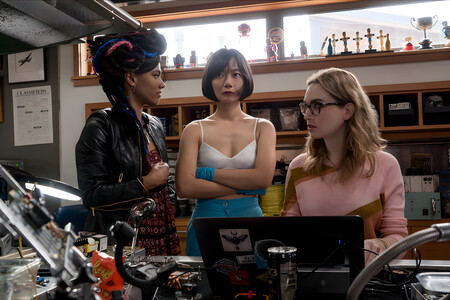
Initially, Netflix remained firm. On June 8, 2017, the company released a statement via Facebook acknowledging the passion of the fans but stating, "We’ve thought long and hard here at Netflix to try to make it work but unfortunately we can’t." However, the pressure continued to mount. On June 29, 2017, Lana Wachowski posted a letter on the show’s official social media accounts, announcing that Netflix had commissioned a two-hour series finale special to provide the story with a proper conclusion.
The Finale: "Amor Vincit Omnia"
The finale, titled "Amor Vincit Omnia" (Love Conquers All), was released on June 8, 2018. It was a 151-minute cinematic event that attempted to resolve multiple plot threads that had been intended to span several more seasons. The special took the characters to Naples and Paris, culminating in a final confrontation with the BPO and a celebratory sequence that reinforced the show’s central message of human connection.
While the finale was criticized by some for its frantic pacing—a necessity of condensing years of planned narrative into two and a half hours—it was widely viewed as a triumph for fan activism. It set a precedent for the "save our show" movement in the streaming era, demonstrating that while a full renewal might be impossible, a narrative compromise was achievable.
Broader Implications for the Streaming Industry
The Sense8 saga serves as a case study for several trends that have since come to define the streaming industry. First, it highlighted the "Three-Season Rule," a phenomenon where streaming services often cancel shows after their second or third seasons because they no longer bring in enough "new" subscribers to justify the rising costs of production and talent contracts.

Second, it exposed the limitations of the "prestige" model. In its early years, Netflix sought to win Emmys and critical acclaim by funding visionary directors like the Wachowskis. As the platform matured and competition from Disney+, HBO Max (now Max), and Amazon Prime Video intensified, the focus shifted from artistic prestige to "broad-appeal" content that could sustain a massive, global subscriber base.
Finally, the Sense8 experience changed how creators approach high-concept storytelling. Many showrunners now enter negotiations with a "contingency plan" for early cancellation, often seeking guarantees for a wrap-up movie or a shorter final season if the numbers do not meet executive expectations.
The Lasting Legacy of the Sensates
More than a decade after its initial development, Sense8 remains a unique artifact of a specific moment in television history. It was a show that could likely only have been made in the early, experimental days of Netflix’s original programming push. Its influence can be seen in subsequent high-concept sci-fi series like Dark, The OA, and 1899, although many of these shows have faced similar struggles with the platform’s rigorous cancellation algorithms.
The series is remembered not only for its technical achievements and breathtaking cinematography but for its radical empathy. By treating the emotional lives of a bus driver in Nairobi and a trans woman in San Francisco with equal weight and interconnectedness, it challenged the traditional Western-centric narrative structures of Hollywood. Though its journey was cut short by the cold realities of corporate finance, the fact that it exists at all—and that it was given a chance to say goodbye—remains a testament to the power of the audience in the digital age. Today, the complete series, including the finale special, remains available on Netflix, serving as a reminder of a time when the "impossible" was briefly made real through a global psychic link and a $9 million-per-episode budget.

0 Comments