
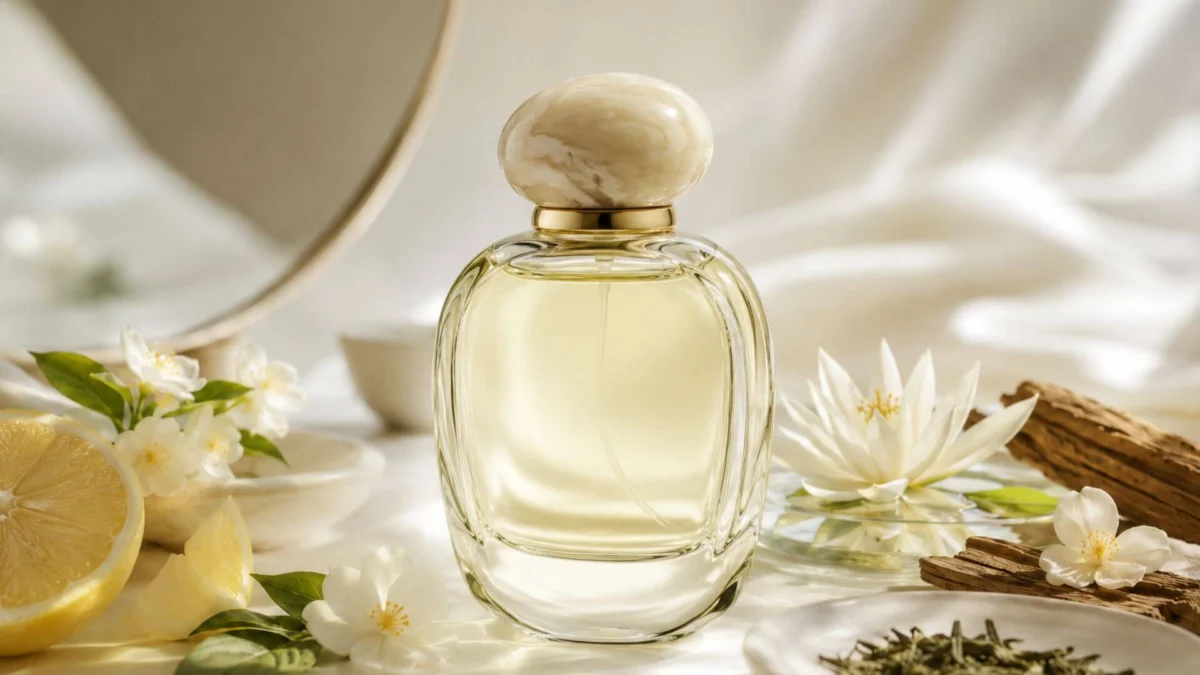
The global fragrance market is currently witnessing a significant shift toward "clean" and "functional" scents, a movement that prioritizes psychological well-being and the recreation of specific domestic or professional rituals through olfactory notes. Among the most sought-after profiles in this emerging category are fragrances that emulate the sophisticated, sterile, yet comforting atmosphere of a high-end hair salon. This specific "salon-fresh" aesthetic relies heavily on the technical application of jasmine tea accords, citrus top notes, and creamy wood bases. As consumers move away from heavy, traditional orientals, the demand for transparent, tea-based compositions like Trussardi’s Donna Eau de Toilette and Flora Danica’s Flower Muse has reached a new peak, signaling a broader change in how luxury is defined in the post-pandemic era.
The Psychological Link Between Fragrance and Wellness
The allure of a fragrance that "smells like a salon" is rooted in the sensory experience of professional grooming. For many, the visit to a hair stylist represents a rare moment of forced pause. The ritual begins at the washbasin—a transitional space where warm water, scalp massages, and the aromatic profile of professional-grade shampoos converge. These products often utilize high concentrations of synthetic jasmine (Hedione) and aquatic molecules to project a sense of hygiene and renewal.
By translating these scents into personal perfumes, fragrance houses are tapping into "comfort-scenting." Unlike statement fragrances designed to project power or seduction, these "skin scents" are designed for the wearer. They provide an olfactory "reset" that mimics the peace felt when one steps into a controlled, aesthetic environment. The inclusion of tea notes specifically enhances this effect, as tea is globally recognized as a symbol of tranquility and mindfulness.

The Technical Mastery of the Jasmine Tea Accord
The creation of a jasmine tea accord is one of the more delicate tasks in modern perfumery. Jasmine, in its natural absolute form, can be "indolic"—a term used to describe the heavy, almost animalic muskiness that certain white flowers possess. While this richness is prized in classic perfumery, it clashes with the "clean" aesthetic. To achieve the transparency required for a "tea" profile, perfumers often use a process inspired by traditional Chinese tea production.
Historically, jasmine tea is produced by layering green or black tea leaves with fresh jasmine buds. As the buds open at night, the tea leaves absorb the volatile aromatic oils. In liquid perfumery, this is replicated by stripping away the heavier, waxy molecules of the flower and emphasizing the "green" facets. This results in a scent that feels "suspended in steam" rather than "rooted in soil." The addition of tea notes provides a tannic, slightly bitter backbone that prevents the floral elements from becoming overly sweet or cloying.
A Chronology of Tea in Fine Perfumery
To understand the current dominance of tea-based scents, one must look at the timeline of their evolution in the luxury market.
- The 1990s Genesis: The trend arguably began in 1992 with the launch of Eau Parfumée au Thé Vert by Bvlgari. Created by Jean-Claude Ellena, this fragrance was revolutionary for its minimalism. It didn’t smell like a traditional perfume; it smelled like an atmosphere. Initially intended as a gift for boutique clients, its success forced a retail launch and established "tea" as a viable fragrance category.
- The 2000s Refinement: During this decade, houses began experimenting with different tea varieties. Elizabeth Arden’s Green Tea (1999) democratized the scent, while niche houses like L’Artisan Parfumeur explored "Tea for Two," a smokier, black tea profile.
- The 2010s Floral Fusion: This era saw the marriage of tea with high-performance florals. It was during this period that Trussardi introduced Donna, a fragrance that would eventually be refined into the Eau de Toilette version celebrated today. The focus shifted toward "luminous" florals—flowers that felt bright and airy.
- The 2020s Functional Era: Post-2020, the fragrance industry has leaned into "wellness." Scents are now marketed for their ability to reduce stress. The "salon-fresh" jasmine tea profile fits perfectly into this niche, offering a sense of order and cleanliness in an unpredictable world.
Case Study: Trussardi Donna Eau de Toilette and the ‘Salon Fresh’ Aesthetic
Trussardi’s Donna Eau de Toilette, composed by the renowned master perfumer Nathalie Lorson, serves as a primary example of this olfactory trend. The composition is a deliberate exercise in balance, designed to evoke the precise moment a towel is removed from freshly washed hair.

The Olfactory Pyramid
- Top Notes: The fragrance opens with a sharp, energizing burst of yuzu, citron, and "watery fruits." This mimics the initial acidity of high-end cleansing products.
- Heart Notes: The core of the fragrance features jasmine tea, orange blossom, and water lily. The water lily is crucial here; it provides a "damp" floral quality that suggests humidity and hydration.
- Base Notes: The dry-down consists of white patchouli, cedarwood, sandalwood, and vanilla.
The inclusion of sandalwood and vanilla is particularly strategic. In the context of the "salon" experience, these notes represent the conditioning phase. They provide a creamy, smooth texture that mimics the tactile feeling of a hair mask or a leave-in conditioner. The result is a fragrance that transitions from the "sparkle" of a wash to the "softness" of a finished style.
The Role of White Florals and Aquatic Notes in Modern Hygiene
The perception of "cleanliness" in fragrance is a cultural construct that has evolved significantly. In the early 20th century, "clean" was associated with heavy powders and lavender. Today, however, the global standard for "clean" is defined by citrus and "white" notes.
Jasmine tea and orange blossom (azahar) are central to this modern definition. Orange blossom, in particular, contains methyl anthranilate, a compound that is frequently used in luxury soaps. When combined with "watery fruits" and "nenúfar" (water lily), the fragrance creates a psychological link to water. In the beauty industry, water is the ultimate symbol of purity. Fragrances that can successfully maintain a "wet" or "moist" profile throughout their wear-time are highly prized for their ability to make the wearer feel perpetually refreshed.
Market Analysis: The Rise of Functional Fragrance
Data from the global beauty sector indicates that the "fresh and floral" category continues to lead in sales, particularly in the European and Asian markets. According to recent industry reports, the "clean girl" aesthetic—a social media-driven trend emphasizing minimalism, dewy skin, and understated elegance—has directly influenced fragrance purchasing habits.

Consumers are increasingly looking for "signature scents" that do not overwhelm their environment. This has led to a 15% increase in the sales of Eaux de Toilette (EDT) and Colognes compared to the heavier Eaux de Parfum (EDP) in certain demographics. The EDT concentration of Trussardi Donna, priced at approximately 113 euros for 100ml, positions it as an accessible luxury item that fits the daily "wellness" routine of the modern professional.
Comparative Perspectives: Flora Danica and the Powdered Tea Trend
While Trussardi focuses on the "wet" and "creamy" aspects of the salon experience, other houses are exploring the "powdered" side of serenity. Flora Danica’s Flower Muse offers an alternative interpretation of the jasmine tea accord.
By incorporating iris root (orris) and lavender, Flower Muse moves away from the "washbasin" and toward the "dressing room." The iris provides a sophisticated, powdery finish that suggests high-end cosmetic powders. This fragrance demonstrates the versatility of the jasmine tea note; it can be made to feel aquatic and fresh, or dry and elegant, depending on the surrounding ingredients. At 77.28 euros for 50ml, it represents the niche "boutique" approach to the tea trend, emphasizing botanical heritage and ingredient transparency.
Strategic Implications for the Global Beauty Industry
The success of these fragrances suggests that the future of the industry lies in "contextual perfumery." Brands are no longer just selling a scent; they are selling a specific "moment of peace."

For retailers and manufacturers, this means a greater focus on:
- Ingredient Storytelling: Highlighting the specific harvest methods of jasmine or the origin of tea notes to appeal to educated consumers.
- Cross-Category Branding: There is a growing opportunity for hair care brands to collaborate with fragrance houses to create "hair mists" that mirror these salon-fresh perfumes, ensuring a cohesive olfactory identity.
- Sustainability in Synthetics: As the demand for "clean" scents grows, the industry must invest in sustainable biotechnology to produce molecules like Hedione and various "green" aldehydes without depleting natural jasmine crops.
Conclusion: The Lasting Estée of Serenity
The transition of the "hair salon" aroma from a fleeting professional service to a bottled luxury fragrance reflects a deeper human desire for order and self-care. Fragrances like Trussardi’s Donna EDT are more than just cosmetic products; they are olfactory anchors. By utilizing the transparent, ethereal qualities of jasmine tea, perfumers have found a way to bottle the sensation of a "new beginning."
As we move further into a decade defined by the pursuit of mental clarity and "quiet luxury," the prevalence of tea-based scents is likely to expand. These fragrances provide a necessary bridge between the chaotic outside world and the private, serene spaces we create for ourselves. Whether through the zesty spark of yuzu or the creamy comfort of sandalwood, the "salon-fresh" scent remains the ultimate expression of modern, understated sophistication.

0 Comments