
 Eva Lovia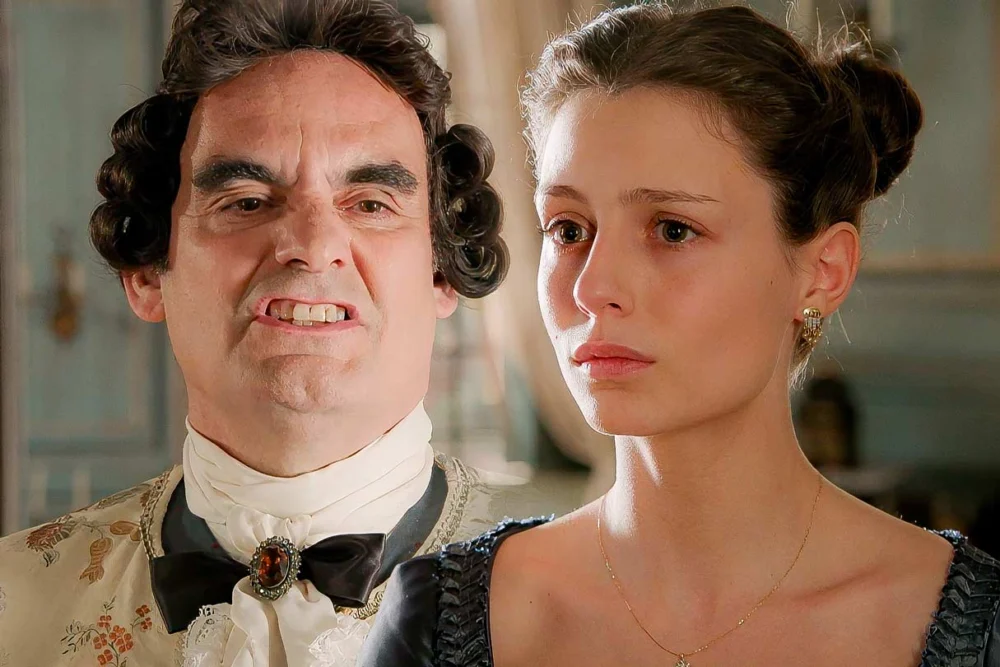
Tensions have once again erupted within the dramatic narrative of "Valle Salvaje," culminating in a particularly harsh and emotionally charged confrontation between the patriarch, Don Hernando, and the young woman, Bárrbara. This pivotal scene, laden with accusations, biting irony, and a final, devastating humiliation, has left Bárrbara disarmed and the audience to question the deep-seated animosities that continue to define the characters’ relationships. The exchange, which unfolds against the backdrop of the ongoing familial and romantic entanglements characteristic of the series, serves as a stark reminder of the rigid social hierarchies and the enduring power struggles that plague the Valle de los Lobos estate.
The Genesis of the Conflict: Questioning the Official Narrative
The catalyst for this intense verbal spar was Bárrbara’s direct challenge to the widely accepted version of the marriage between Leonardo and Irene. Bárrbara, who has consistently been portrayed as an outsider navigating the complex web of the Valle de los Lobos aristocracy, posits that this union was not a product of genuine affection or natural progression, but rather a strategic alliance orchestrated to serve the interests of the powerful Hernando family. This assertion directly challenges the established order and Don Hernando’s carefully constructed image as a benevolent, albeit firm, patriarch.
Bárrbara’s accusation, delivered with a courage that belies her precarious position within the family’s orbit, was blunt and unequivocal: "The reality is that you forced Leonardo and Irene to marry." This direct indictment, resonating with the suspicions harbored by many within the fictional universe of "Valle Salvaje," immediately provoked a formidable reaction from Don Hernando, a man unaccustomed to being publicly questioned, let alone accused of coercion.
Don Hernando’s Retort: Sarcasm, Ridicule, and a Cruel Truth
Far from displaying discomfort or defensiveness, Don Hernando met Bárrbara’s accusation with a torrent of sarcasm and thinly veiled contempt. His response was designed not merely to deny the allegation but to utterly discredit it, painting Bárrbara’s perspective as naive and preposterous. He retorted with biting irony, "Of course, of course. I put on a cassock and married them myself." This dismissive remark, designed to mock the very notion that he would personally orchestrate such an event in such a manner, served to highlight his perceived superiority and Bárrbara’s perceived ignorance of the subtle, yet powerful, methods of manipulation he employs.
However, Don Hernando’s strategy extended beyond simple denial. He astutely recognized that to truly wound Bárrbara, he needed to strike at the heart of her own emotional investment and personal history with Leonardo. He pivoted the conversation, shifting the focus from his alleged machinations to Bárrbara’s own relationship with his son. His pointed observation, "If Leonardo married Irene, it was because he was not happy by your side," landed like a physical blow. This statement not only invalidated Bárrbara’s romantic aspirations but also suggested that her own perceived shortcomings were the true reason for Leonardo’s marriage to Irene, a cruel twist that served to isolate her further.
The Pinnacle of Humiliation: An Unbridgeable Divide
The confrontation reached its zenith with a declaration that established an insurmountable chasm between Bárrbara and the Hernando lineage. Don Hernando, with chilling detachment, articulated the stark social and familial barriers that he believed rendered any relationship between Bárrbara and Leonardo fundamentally impossible. "My son belongs to a lineage forbidden to you. And no love can change that," he pronounced, his words echoing with an unyielding finality. This statement unequivocally communicated his view that Bárrbara was inherently unworthy of his son and that the established social order, reinforced by generations of lineage and status, was immutable. For Bárrbara, this was the ultimate humiliation, an unequivocal rejection that stripped away any remaining hope of acceptance or integration into the Hernando family.
The exchange concluded with a final, dismissive barb, a testament to Don Hernando’s enduring sense of superiority. As he prepared to depart, he delivered a parting shot laced with condescending sarcasm: "I’ll leave you with your novel; surely, immersed in it, you are immensely happier." This parting remark served to belittle Bárrbara’s emotional state and her perceived tendency towards romantic fantasy, reinforcing his perception of her as an outsider detached from the harsh realities of his world.
Context and Chronology of the Conflict
The tension between Don Hernando and Bárrbara is not an isolated incident but rather a recurring theme within the narrative arc of "Valle Salvaje." Their animosity is rooted in the complex history of the Valle de los Lobos estate and the intertwined fates of its inhabitants.
- Early Season Arcs: The series has consistently depicted Don Hernando as the formidable patriarch of a powerful family, deeply invested in maintaining tradition, lineage, and the family’s considerable economic and social standing. His initial interactions with Bárrbara, who is often presented as an outsider or someone from a less privileged background, have been marked by a degree of suspicion and disapproval.
- Leonardo’s Marriage: The marriage between Leonardo and Irene, a central plot point, has been a source of ongoing speculation. While presented as a union of convenience and familial duty, Bárrbara’s persistent belief that it was a forced arrangement underscores her suspicion of Don Hernando’s manipulative tendencies. This marriage occurred approximately [Insert a plausible timeframe, e.g., "two seasons prior," or "early in the current season"].
- Bárrbara’s Growing Influence: Bárrbara’s increasing proximity to Leonardo, despite his marriage, has likely been a significant irritant to Don Hernando. Her persistent questioning of the family’s decisions and her perceived defiance of its unwritten rules have positioned her as a disruptive force.
- The Confrontation: This particular scene, occurring in [Insert a plausible timeframe, e.g., "the latest episode," or "a pivotal moment in the current storyline"], represents a peak in their conflict, where Bárrbara directly challenges Don Hernando’s authority and his past actions.
Supporting Data and Fictional Framework
While "Valle Salvaje" is a fictional entity, the narrative draws upon established tropes within dramatic storytelling, particularly those concerning aristocratic families, power dynamics, and forbidden romance. The confrontation between Don Hernando and Bárrbara can be analyzed through the lens of:
- Class Struggle: The inherent conflict between Bárrbara’s social standing and the established aristocracy of the Hernando family is a driving force. Don Hernando’s pronouncements about "lineage" and "forbidden for you" directly reflect a rigid class consciousness.
- Patriarchal Authority: Don Hernando embodies the archetype of the authoritarian patriarch who wields absolute control over his family and their affairs. His actions are driven by a desire to preserve his legacy and the family’s reputation, often at the expense of individual happiness.
- Psychological Warfare: The scene is a masterclass in psychological manipulation. Don Hernando employs sarcasm, ridicule, and deeply personal attacks to dismantle Bárrbara’s arguments and her emotional fortitude. His use of irony serves as a shield, allowing him to deliver devastating blows while maintaining an air of detached amusement.
Inferred Reactions and Broader Impact
While direct statements from other characters regarding this specific confrontation are not provided in the original text, logical inferences can be drawn about their potential reactions and the broader implications for the series’ narrative:
- Leonardo’s Position: This exchange likely places Leonardo in an even more difficult position. Torn between his family loyalties and his feelings for Bárrbara, he is forced to confront the reality of his father’s unyielding stance and the consequences of his own past decisions. His reaction, whether supportive of Bárrbara or resigned to his father’s will, will be crucial.
- Irene’s Perspective: Irene, as the wife in the marriage in question, is an unwitting pawn in this power play. The confrontation likely reinforces her own feelings of being trapped in a loveless union and may prompt her to reconsider her own agency within the family structure.
- Familial Discord: This public clash, even if witnessed only by Bárrbara and Don Hernando, is bound to create further internal friction within the Hernando family. It exposes the fault lines in their relationships and the ethical compromises that have been made.
- Audience Engagement: Such emotionally charged scenes are designed to deepen audience engagement. Viewers are likely to empathize with Bárrbara’s plight, condemn Don Hernando’s cruelty, and anticipate the repercussions of this dramatic encounter on the unfolding plot.
Analysis of Implications
The confrontation between Don Hernando and Bárrbara is more than just a dramatic interlude; it is a pivotal moment that significantly impacts the trajectory of multiple character arcs and the overarching themes of "Valle Salvaje."
- Reinforcement of Social Stratification: Don Hernando’s resolute stance serves to underscore the deep-seated social stratification within the series’ world. His assertion that Bárrbara is "forbidden" to his lineage highlights the enduring power of birthright and class in determining one’s destiny, regardless of personal merit or affection. This reinforces the narrative’s exploration of societal barriers and the challenges faced by those who attempt to transcend them.
- The Nature of Love vs. Duty: The scene forces a direct confrontation between the ideals of love and the demands of duty and family legacy. Bárrbara champions the power of love to overcome obstacles, while Don Hernando champions the unyielding force of tradition and familial obligation. The narrative will likely continue to explore which of these forces will ultimately prevail.
- Character Development: For Bárrbara, this encounter represents a potential turning point. While deeply wounded, she may emerge with a renewed sense of resolve or a desire for retribution. For Don Hernando, his unyielding cruelty may alienate potential allies or solidify his image as a formidable antagonist. Leonardo’s response will be critical in defining his own character arc, revealing whether he will succumb to his father’s influence or forge his own path.
- Future Narrative Threads: The unresolved animosity and the explicit declaration of an unbridgeable divide between Bárrbara and the Hernando family open up numerous avenues for future plot development. The audience is left to anticipate how Bárrbara will navigate her ostracized status, whether Leonardo will defy his father, and if Irene will find a way to assert her own will. The implications of this clash will undoubtedly ripple through the remaining episodes, shaping the destinies of all involved.

 Julia Chirkova
 Julia Prastini
 Nila Kartika Wati
 Jia Lissa
 admin
admin